Food Safety Insights

In Eagle’s Advanced Insights Blog, experts share their know-how by keeping you up-to-date with the latest trends to ensure your inspection equipment keeps your products safe. Eagle is an industry leader when it comes to performance and innovation, and we’ll share the news that’s important to you to enhance your quality assurance program.
Suggest topic you would like to see at:

sale@generalmachinery.org

What is X Ray Machines for Food Inspection and How Do They Work?

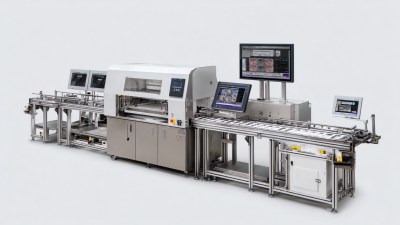
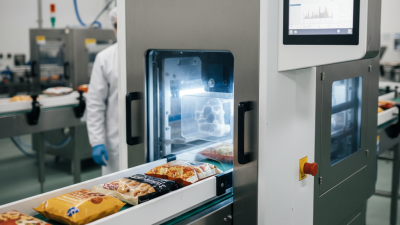
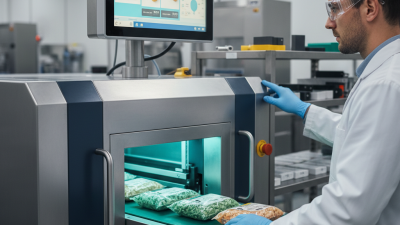
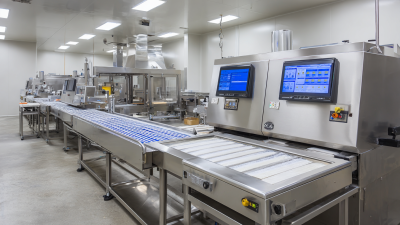
X-ray machines for food inspection play a crucial role in ensuring food safety. These advanced devices scan food products to detect foreign objects and harmful contaminants. Using X-ray technology, they provide a non-destructive means of checking food integrity.

As foodborne illnesses remain a serious concern, the demand for reliable inspection methods increases. X-ray machines for food inspection help protect consumers by identifying issues that visual checks might miss. However, not all facilities use them effectively. Some operators may lack proper training or maintenance procedures, leading to inaccuracies.

The effectiveness of these machines depends on proper calibration and interpretation of results. Misinterpretation can lead to unnecessary product recalls or missed hazards. Continuous improvement and operator education are vital for maximizing their potential. Investing in technology is beneficial, but without skilled personnel, the risks remain.

What is X Ray Machines for Food Inspection and How Do They Work?

What Are X-Ray Machines and Their Role in Food Safety?

X-ray machines play a critical role in ensuring food safety. These advanced devices are designed to detect foreign objects in food products. They help identify metal, glass, and plastic contaminants that might compromise food quality. According to a report by the Food and Drug Administration (FDA), contaminated food contributes to about 48 million cases of foodborne illnesses annually in the United States.

The technology works by passing X-rays through packaged food. A sensor detects variations in X-ray absorption. These variations indicate the presence of foreign materials. The system provides a real-time analysis, often in mere seconds. This rapid detection is essential for maintaining consumer safety and trust. In many food processing environments, the use of X-ray machines has increased by about 30% in recent years.

However, challenges remain. Not all contaminants are detectable, especially if they are of similar density to the food itself. Additionally, the cost of equipment can be high, posing a hurdle for smaller businesses. As we advance, it’s vital to improve detection methods and train personnel effectively. Continuous improvement in technology and processes is necessary to keep food safe for consumers.

The Technology Behind X-Ray Inspection Systems for Food Products

X-ray inspection systems for food products are pivotal in ensuring safety and quality. These machines utilize penetrating radiation to detect foreign objects in food items. They can identify materials like metal, glass, and plastic. This technology plays a crucial role in the food industry, addressing the rising consumer demand for safe and uncompromised products. According to a recent industry report, over 80% of food manufacturers have integrated X-ray inspection into their quality control processes.

The mechanism behind these systems involves the generation of X-rays that pass through food items. Dense materials absorb more radiation, casting a darker shadow on detectors. This enables operators to spot contaminants easily. Data from studies indicate that X-ray machines can detect objects as small as 1 millimeter in size. However, challenges remain. Certain food types, like those with high moisture content, can obscure the detection of foreign bodies. Continuous innovation is crucial for addressing these limitations and enhancing detection capabilities.

While X-ray technology offers several advantages, drawbacks exist. Some food producers worry about potential radiation exposure. Moreover, not all systems are equally effective; factors like food shape and packaging influence results. Balancing safety, efficiency, and technology remains a critical focus in the industry.

What is X Ray Machines for Food Inspection and How Do They Work?

Feature Description
Technology X-ray imaging technology is used to detect foreign objects in food products.
Applications Used in meat processing, packaged foods, and fruit inspection.
Benefits Enhances food safety, reduces recalls, and improves quality control.
How it Works X-ray machines generate radiation that passes through food items, capturing images to identify anomalies.
Detection Capabilities Can detect metal, glass, stones, and certain plastics with high accuracy.
Regulatory Standards Must comply with food safety regulations set by various countries.
Maintenance Regular calibration and cleaning are necessary to maintain performance.

Benefits of Using X-Ray Machines in Food Quality Control Processes

X-ray machines play a pivotal role in food quality control. These systems utilize high-energy radiation to detect contaminants like metal, glass, or stones in food products. According to a report by the Food Safety and Inspection Service, food recalls due to foreign materials have increased by 20% in recent years. This highlights the growing need for advanced inspection technologies.

The benefits of using X-ray machines extend beyond mere contamination detection. They provide a comprehensive view of the packaging and product integrity. A recent study revealed that 95% of food processors that implemented X-ray inspection saw a significant reduction in safety incidents. Furthermore, these machines can also identify missing or damaged items, which helps in maintaining compliance with safety regulations.

Despite these advantages, there are challenges to consider. The initial investment in X-ray technology can be substantial. Additionally, training personnel to operate these machines effectively is crucial. Inadequate training may lead to misinterpretation of results, which can compromise food safety. Thus, while X-ray machines are essential, careful implementation and ongoing training are necessary to maximize their potential benefits.

Industry Standards and Regulations Governing X-Ray Food Inspection

X-ray machines for food inspection play a crucial role in ensuring food safety. They help detect contaminants that may not be visible during routine inspections. The industry has set specific standards and regulations governing the use of X-ray technology. These regulations ensure that the machines are safe and that they accurately identify foreign materials.

One key regulation comes from food safety authorities. They mandate that X-ray machines must undergo rigorous testing and calibration. This ensures they meet safety and performance standards. It is common for manufacturers and food companies to conduct routine checks to comply with these regulations. Failure to adhere can lead to serious consequences, including product recalls.

Tips: Always stay updated with industry standards. Regular training for staff is essential to keep everyone informed. Implement a maintenance schedule for your X-ray machines to prevent malfunctions. Collect and review inspection data to improve processes continuously. Regular audits can also highlight areas needing improvement, reinforcing compliance and safety.

X-Ray Machines for Food Inspection: Key Insights

This chart illustrates the performance metrics associated with X-Ray machines used for food inspection. The data indicates the percentage of defective items detected, the presence of contaminants, and the inspection speed measured in items per minute. These metrics are crucial for understanding the effectiveness and efficiency of X-Ray food inspection technology.

Future Trends and Innovations in Food X-Ray Inspection Technology

The future of food X-ray inspection technology is evolving rapidly. Advances in artificial intelligence (AI) and machine learning are transforming how these systems detect contaminants. According to a recent report by Markets and Markets, the food inspection market is expected to grow to USD 19.4 billion by 2027. This growth is driven by the need for safer food processing methods.

Emerging technologies enhance the accuracy and speed of X-ray machines. For instance, real-time image processing allows inspectors to identify foreign objects with greater precision. Research shows that AI-driven systems can reduce false positives by up to 30%. This improvement is vital for maintaining food safety standards while minimizing waste and product recalls.

However, the integration of new technology is not without its challenges. Training staff to operate advanced X-ray systems can be daunting. Additionally, some machines are still not accessible to smaller operators due to high costs. Balancing innovation with affordability remains a critical issue in the industry. Continuous feedback from users is essential to refine these systems and address operational gaps effectively.

Any Questions? We Are Here for You

Contact Us

Contact Us

Request information

Ask us a question
Service Support

Service Support

Available 24 hours a day, 7 days a week.

Get in Touch
Find a representative

Find a representative

Contact your local representative

View Locations