
.svg)

Key Features to Evaluate in LPG Gas Detectors
Choosing an LPG gas detector requires more than checking its alarm volume. The NIOSH Pocket Guide lists propane’s lower explosive limit at 2.1% by volume. This figure shows why early detection matters. Select a detector with a certified sensor, clear calibration records, and a response time suited to the installation. Catalytic, semiconductor, and infrared sensors behave differently. They also react differently to humidity, dust, and cleaning chemicals.
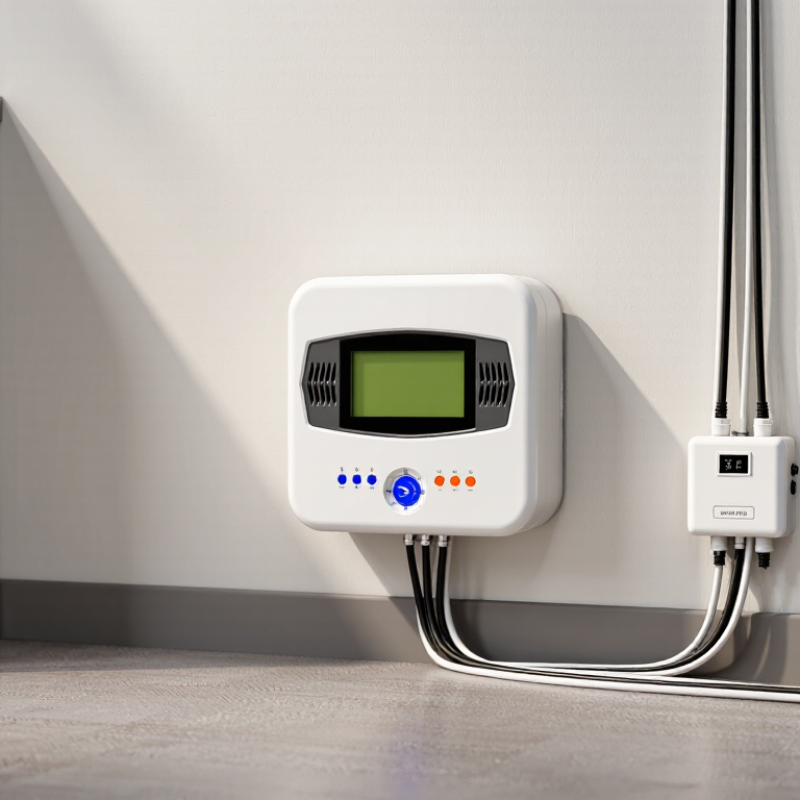
Placement is equally important. LPG vapor is heavier than air, so it can collect near floors, drains, and enclosed corners. A detector should support installation guidance from IEC 60079-29-1 and local safety codes. Check the IP rating for kitchens, workshops, or outdoor cabinets. Confirm that the alarm remains audible above ventilation fans. Battery backup, automatic self-testing, fault alerts, and event logging add practical value during inspections.
Do not judge quality by sensitivity alone. The U.S. Energy Information Administration describes propane as a liquid that becomes vapor during release, making ventilation and sensor location critical. In field testing, blocked inlets or poor maintenance can undermine a capable device. I would also question vague claims such as “instant detection.” Ask for laboratory results, calibration intervals, operating-temperature limits, and independent certification. No detector is perfect. A realistic evaluation includes false alarms, replacement costs, and staff training, not just the purchase price.


