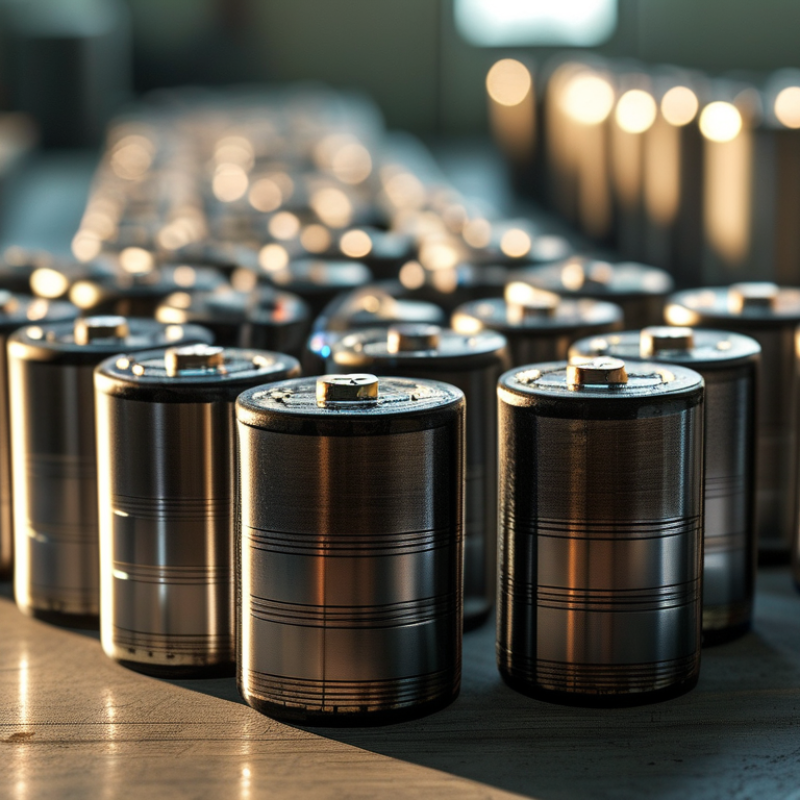
Choosing compatible 18650 cells starts with the application, not the advertised capacity. A flashlight may prioritize capacity, while a power tool needs high continuous discharge. A backup pack may value cycle life and low self-discharge instead. Most cells provide about 3.6–3.7 V nominal voltage, but charging limits, chemistry, and protection requirements can differ.
The International Energy Agency reported that global electric-vehicle battery demand exceeded 750 GWh in 2023, rising about 40% from 2022. This growth highlights a practical issue: cell selection must follow measured performance, not packaging claims. Check capacity at the intended current, continuous discharge rating, internal resistance, operating temperature, and cycle-life test conditions. Use cells with similar age, chemistry, and voltage. Mixing cells can create uneven heating and premature imbalance. A neat spreadsheet is not enough. My own selection logic would still require sample testing, because published figures may use ideal conditions.
Tips: Match the cell to the load profile. For high-drain devices, compare continuous current rather than pulse current. For long-runtime packs, capacity and thermal control matter more. Test every cell with calibrated equipment before assembly. Select a compatible battery-management system, and verify charging limits carefully. The IEC 61960 standard provides useful guidance for rechargeable lithium-cell performance testing, but real-world results can differ. That is the uncomfortable part. A cell that performs well alone may behave poorly inside a tightly packed enclosure. Leave room for heat, wiring resistance, and measurement error.

.svg)