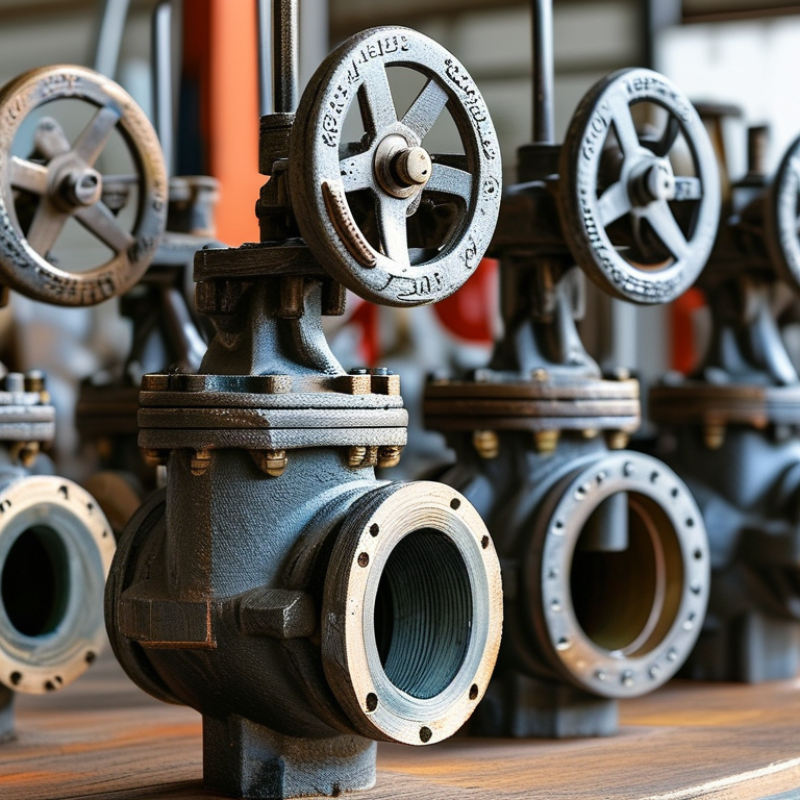
| Gate Valve | Gray cast iron, commonly ASTM A126 Class B; ductile iron is often selected for higher mechanical strength. | Flanged, typically ASME Class 125 or Class 250; metric systems commonly use PN10 or PN16 patterns. | Typically Class 125, Class 250, PN10 or PN16, depending on design and manufacturer rating. | Approximately -10°C to 150°C for common water-service configurations; seat and trim materials determine the actual limit. | Municipal water, chilled water, cooling water, fire-protection piping, irrigation and general utility isolation. | Low pressure loss when fully open; suitable for straight-through isolation; available in large nominal sizes. | Not recommended for continuous throttling; slow operation; gray cast iron is vulnerable to impact and sudden mechanical loads. | ASME B16.1, MSS SP-70, AWWA C500, AWWA C509 and EN 1074-2, where applicable. |
| Globe Valve | Gray cast iron body with metallic or resilient seating; ductile iron may be used in higher-strength designs. | Flanged, threaded or screwed ends; flanged construction is common in industrial utility systems. | Commonly Class 125 or Class 250 for low- and medium-pressure utility service. | Approximately -10°C to 150°C for typical cast-iron water and utility applications; steam service requires confirmation of body, bonnet and trim ratings. | Flow regulation in water treatment, heating systems, cooling circuits, compressed-air utilities and process bypass lines. | Better throttling control than a gate valve; good shutoff visibility and predictable flow regulation. | Higher pressure drop than a gate or full-port ball valve; not ideal for abrasive slurries or severe cavitation. | ASME B16.1, MSS SP-85 and applicable pressure-testing requirements such as API 598 or EN 12266-1. |
| Swing Check Valve | Gray cast iron or ductile iron body; disc and hinge materials vary according to fluid and corrosion requirements. | Flanged, normally installed between flanges in horizontal or approved vertical pipelines. | Typically Class 125 or Class 250; PN10 and PN16 versions are common in metric piping systems. | Approximately -10°C to 150°C for standard water-service designs. | Water distribution, pump discharge lines, HVAC circulation, wastewater and general utility piping. | Automatically prevents reverse flow; relatively low resistance when correctly sized and fully open. | May slam in systems with rapid flow reversal; unsuitable for strongly pulsating flow unless a controlled-closing design is selected. | ASME B16.1, MSS SP-71, EN 12334 and EN 1074-3, where applicable. |
| Wafer or Lug Butterfly Valve | Ductile iron or gray cast iron body with stainless-steel or coated disc; elastomer seat commonly uses EPDM, NBR or similar compounds. | Wafer, lug or double-flanged; designed for installation between standard pipeline flanges. | Commonly PN10, PN16 or ASME Class 125; pressure ratings depend on body, seat and disc design. | Approximately -10°C to 120°C with common EPDM seating; higher or lower limits require compatible seat materials. | HVAC, cooling water, treated water, irrigation, fire-protection systems and large-diameter utility piping. | Compact, lightweight and economical for large pipe sizes; quarter-turn operation; good flow isolation. | Disc remains in the flow path; pressure drop can be higher than a full-bore gate valve; seat compatibility is critical for oils and hydrocarbons. | API 609, MSS SP-67, EN 593, EN 558 and ISO 5211 for actuator mounting, where applicable. |
| Lubricated Plug Valve | Gray cast iron or ductile iron body with a tapered or cylindrical plug; internal coatings may be used for water and wastewater service. | Flanged, threaded or socket ends, depending on nominal size and system standard. | Typically Class 125 or Class 150 for utility applications; higher ratings require a specifically rated design. | Approximately -10°C to 150°C for common cast-iron utility configurations, subject to lubricant and seal selection. | Wastewater, raw water, sewage, low-pressure gas utilities and applications requiring frequent isolation. | Quarter-turn operation; compact installation length; can handle some fluids containing suspended solids when properly designed. | Operating torque may increase with deposits; lubrication and maintenance may be required; not every design is suitable for abrasive slurry. | API 6D, MSS SP-78, ASME B16.1 and applicable EN dimensional and testing standards. |
| Resilient-Seated Wedge Gate Valve | Usually ductile iron body with an elastomer-encapsulated wedge; this is a cast-iron-family option widely used in water systems. | Flanged, mechanical-joint, push-on or grooved ends, depending on piping requirements. | Commonly PN10, PN16, Class 125 or Class 150 for potable-water and utility networks. | Approximately 0°C to 80°C for common EPDM potable-water configurations; higher temperatures require an appropriate elastomer. | Potable water, water treatment, fire mains, irrigation and buried distribution networks. | Reliable bubble-tight isolation; corrosion-resistant internal wedge coating; low operating torque compared with many metal-seated designs. | Not intended for throttling; elastomer compatibility must be checked for chemicals, oils, high temperatures and disinfectants. | AWWA C509, AWWA C515, EN 1074-2, EN 1171 and ISO 7259, where applicable. |
| Metal-Seated Gate Valve | Gray cast iron or ductile iron body with bronze, stainless-steel or other metallic seat and wedge components. | Flanged, commonly ASME Class 125 or Class 250; PN10 and PN16 configurations are also available. | Typically Class 125, Class 250, PN10 or PN16, depending on the complete valve design. | Approximately -10°C to 150°C for common utility designs; actual limits depend on packing, coating, trim and pressure-temperature rating. | Raw water, drainage, irrigation, wastewater and systems where small suspended particles may be present. | Durable seating for utility service; less dependent on elastomer seat integrity than resilient-seated designs. | May not provide the same bubble-tight shutoff as a resilient seat; seating surfaces can be damaged by debris or incorrect installation. | EN 1171, MSS SP-70, ASME B16.1 and applicable valve testing standards. |

.svg)