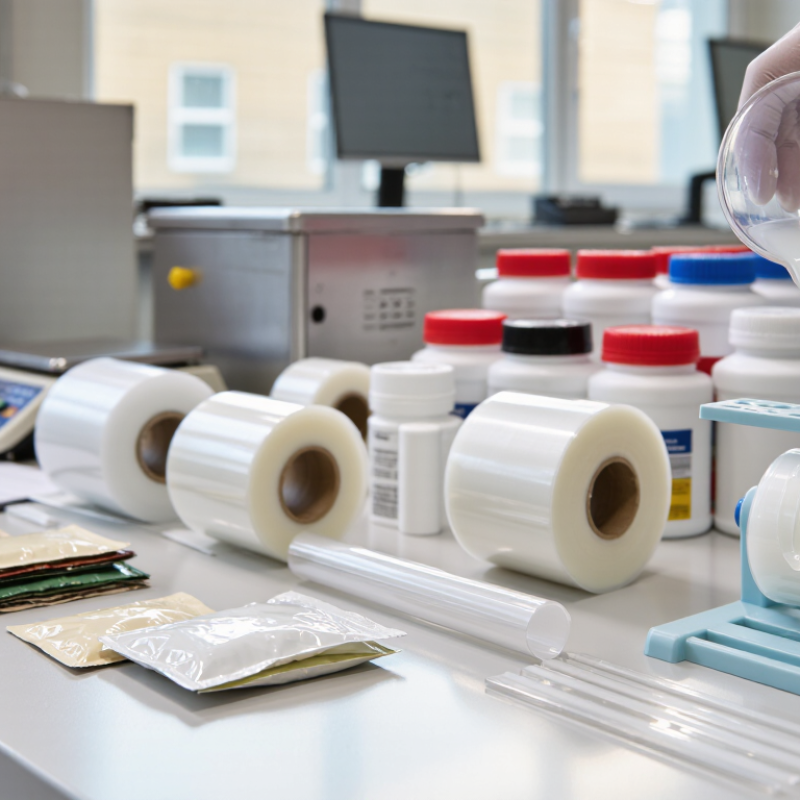
Food-contact laminating adhesives bond layers such as printed film, polyethylene, and aluminum foil in flexible packaging.
They help packages resist punctures, hold seals, and protect products from moisture or oxygen. In a converting line, operators may check coating weight, nip pressure, and cure time. Small changes can affect bond strength and odor. Details matter.
FDA 21 CFR 175.105 addresses adhesives used in articles intended for food contact. It sets conditions for permitted adhesive components and their use; it does not automatically approve every finished laminate.
A supplier’s statement is useful, but it is not the whole assessment. Confirm the food type, contact conditions, package structure, and whether a functional barrier separates adhesive from food.
Review technical documentation, migration data where applicable, and curing requirements for the intended application. That takes testing.
One detail is easy to miss: residual solvents or incomplete cure can affect performance, even when the adhesive appears dry.
Specifications should match real production conditions, not just a laboratory sample. That may sound obvious, but it is often where review becomes less tidy.

.svg)