2026 Top Hardening Oven Types for Global Buyers?
Choosing the right Hardening Oven in 2026 requires more than comparing heating temperatures or catalog prices. Global buyers face different production volumes, energy costs, workplace requirements, and service conditions. A compact batch oven may suit a toolroom, while a continuous conveyor system may support high-volume automotive components.
This guide introduces the leading hardening oven types for international purchasing decisions. It considers electric, gas-fired, vacuum, atmosphere-controlled, and conveyor-based designs. Each option affects temperature uniformity, loading time, surface protection, maintenance, and total operating cost. Practical details matter. A well-designed chamber should maintain stable heat across every rack position. Reliable thermocouples and documented calibration records also support repeatable results.
Supplier experience deserves close attention. Buyers should review factory testing, heat-treatment data, spare-parts availability, installation support, and customer references. Certifications can help, but they do not replace technical verification. Local electrical, ventilation, emissions, and workplace rules must be confirmed before shipment. Requirements differ widely between markets.
There is no universal winner.
Even experienced purchasers can overlook airflow during peak loading. A furnace that performs well in an empty chamber may behave differently with dense steel baskets. Energy savings can also appear attractive until maintenance and downtime are included. This article therefore compares equipment strengths, limitations, and suitable applications with a practical viewpoint. It also encourages buyers to question supplier claims, request measurable performance evidence, and define acceptance criteria before signing a purchase contract. Reliable results begin with careful specifications, not impressive photographs.
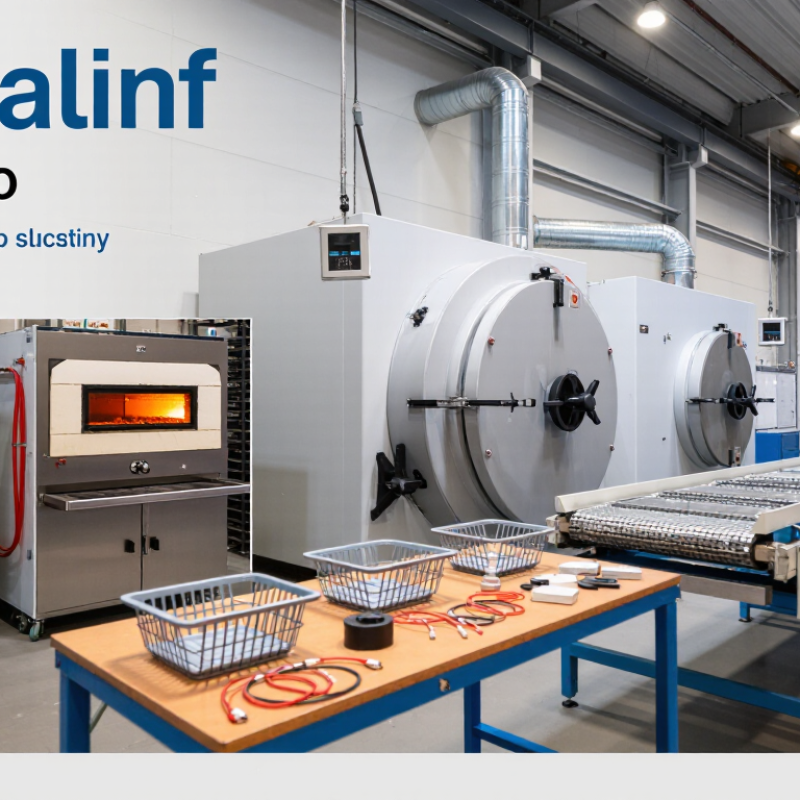
What Is a Hardening Oven and How Does It Work?
A hardening oven is industrial equipment that heats steel above its critical transformation temperature. The controlled heat changes the metal’s internal structure. After soaking, the workpiece is quenched in oil, water, gas, or another approved medium. This rapid cooling creates martensite, increasing hardness. Tempering then reduces brittleness and restores practical toughness.
The heating cycle needs more than high temperature. Sensors monitor chamber temperature, load temperature, atmosphere, and holding time.
Batch ovens suit varied parts and smaller production runs. Continuous ovens support higher volumes with steady loading and unloading.
Vacuum ovens limit oxidation and surface contamination. Controlled-atmosphere ovens use gases to protect the steel surface. The choice depends on alloy, geometry, production rate, and required distortion limits.
The U.S. Department of Energy’s Industrial Decarbonization Roadmap reports that process heating uses about 51% of manufacturing energy. The IEA’s Energy Technology Perspectives 2024 also identifies industry as responsible for roughly one-quarter of global energy-related emissions. These figures make efficiency important, not decorative.
Buyers should examine insulation, heat recovery, temperature uniformity, quench control, and maintenance access. A lower purchase price can hide higher energy and rework costs.
ASTM E220 testing can help verify temperature measurement accuracy. ISO 683-1 remains useful when specifying steel hardening requirements.
One warning matters: a perfect furnace specification may still fail with poor loading patterns. Real trials are necessary.
Key Hardening Oven Types Available to Global Buyers in 2026
Key Hardening Oven Types Available to Global Buyers in 2026
Global buyers are choosing hardening ovens based on throughput, steel grade, atmosphere control, and energy use. The World Steel Association reported about 1.88 billion tonnes of crude steel production in 2024. This scale keeps demand strong for reliable heat-treatment equipment.
Batch ovens suit mixed orders, repair work, and smaller production runs. They offer flexible loading, but cycle time can vary. Continuous mesh-belt ovens support high-volume fasteners, gears, and stamped parts. Pusher and rotary-hearth designs handle heavier components with controlled movement. Vacuum hardening ovens reduce oxidation and surface discoloration. They need higher capital investment and careful pump maintenance. Atmosphere ovens provide carbon control during heating. The gas system must be monitored closely.
Energy deserves more attention. The IEA Energy Efficiency 2023 report estimated that industry uses roughly 37% of global final energy. Better insulation, efficient burners, heat recovery, and shorter transfer times can reduce operating costs. Small gains matter.
Buyers should request temperature uniformity surveys, atmosphere records, cooling-rate data, and maintenance access. AMS2750H supports pyrometry control in aerospace-related processing, while NFPA 86 addresses industrial oven safety. Local electrical and gas requirements still differ. A specification copied from another country may fail in practice. That is an uncomfortable detail. Choose the oven after testing real parts, not only brochures.
2026 Top Hardening Oven Types for Global Buyers
Representative steel hardening setpoints by oven type. Actual temperatures depend on alloy grade, part geometry, atmosphere, and required mechanical properties.
Vacuum, atmosphere, continuous belt, air-circulation, and salt-bath systems commonly support steel austenitizing or hardening processes in the approximate 780–1,050°C range. The values shown are representative process setpoints for global equipment comparison, not maximum equipment ratings.

.svg)


