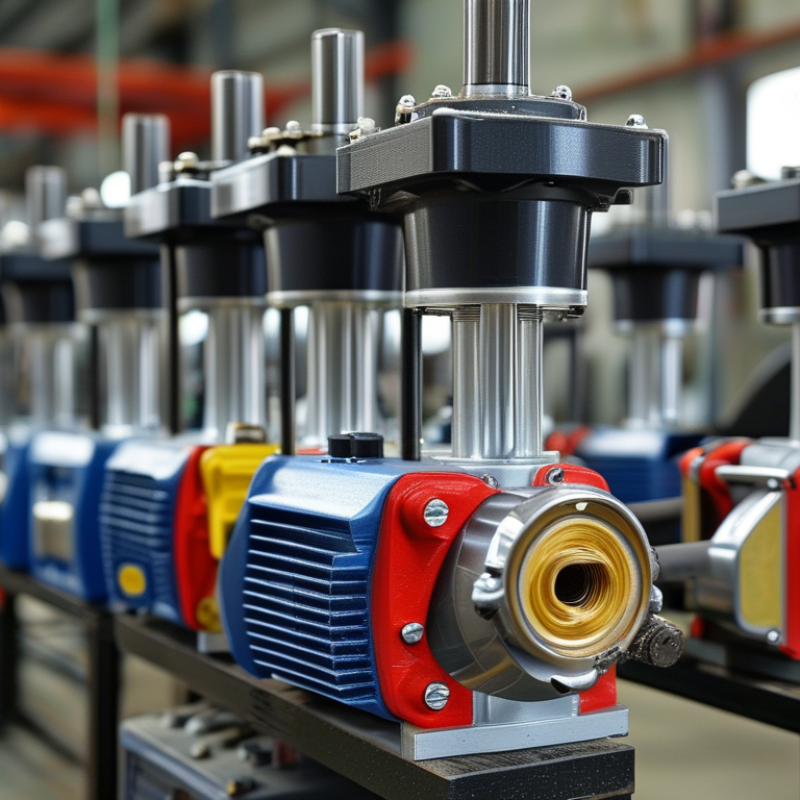
2026 Top HVAC Oil Pump Manufacturers for Global Buyers
Global buyers should classify HVAC oil pumps by operating conditions, not catalog appearance. A polished datasheet can still hide compatibility problems. Start with the motor frequency. A 50 Hz motor may run differently on a 60 Hz supply, changing speed, flow, and pressure. Verify voltage, phase, rotation, and thermal limits before ordering. Some installations require dual-frequency motors, but that feature needs confirmation from test documents.
Flow rate shows how much oil the pump moves per minute. Pressure indicates the resistance it can overcome. These values are related, but they are not interchangeable. A pump rated at 12 L/min may fail when filters, narrow pipes, or long lines increase resistance. Measure the real system pressure. Do not rely only on the maximum rating. That mistake is common.
Oil viscosity deserves equal attention. Cold oil can become thick at startup, while heated oil flows more easily. Select a pump according to the operating viscosity range, not room-temperature conditions. Gear and vane designs may respond differently to abrasive particles and high viscosity. Ask manufacturers for performance curves at actual temperatures and viscosities. Request noise data, leakage limits, material details, and endurance-test conditions. A useful specification might state 50/60 Hz compatibility, 8 L/min flow, 6 bar working pressure, and 80–250 cSt viscosity. Still, figures can be incomplete. Recheck them against your oil, piping, and duty cycle before purchase.

.svg)