2026 Top Plastic Food Container Types for Global Buyers
The 2026 plastic food container market is becoming more demanding, practical, and closely examined. Global buyers now compare material safety, sealing performance, shelf life, weight, recyclability, and total cost. A container may look efficient on a supplier’s page, yet fail after repeated washing, freezing, or transport. Small details matter. Lid pressure. Corner strength. Odor retention.
The OECD’s Global Plastics Outlook reports that global plastic waste increased from 234 million tonnes in 2000 to 353 million tonnes in 2019. Packaging represented approximately 40% of that waste. UNEP’s Turning off the Tap report states that plastic pollution could be reduced by 80% by 2040 through reuse, recycling, and redesigned systems. These findings affect purchasing decisions, especially for retailers, food processors, and distributors seeking credible sustainability improvements. Smithers’ packaging forecasts also identify convenience, material efficiency, and environmental performance as continuing market drivers.
Pierre Pienaar, president of the World Packaging Organisation, has stated, “Packaging is not the problem; packaging is part of the solution.” His point is useful, but incomplete. The solution depends on design, collection systems, and actual consumer behavior. This guide examines the top Plastic Food Container types expected to attract global buyers in 2026, including PP, PET, HDPE, recycled-content, reusable, microwave-safe, and airtight formats. No single container wins every market. A lightweight box may reduce shipping emissions but perform poorly in high-heat applications. A durable reusable tub may work better, although its benefits depend on repeated use. Buyers should question broad “eco-friendly” claims and request test data, food-contact documentation, and lifecycle evidence before placing large orders.
What Are the Main Types of Plastic Food Containers?
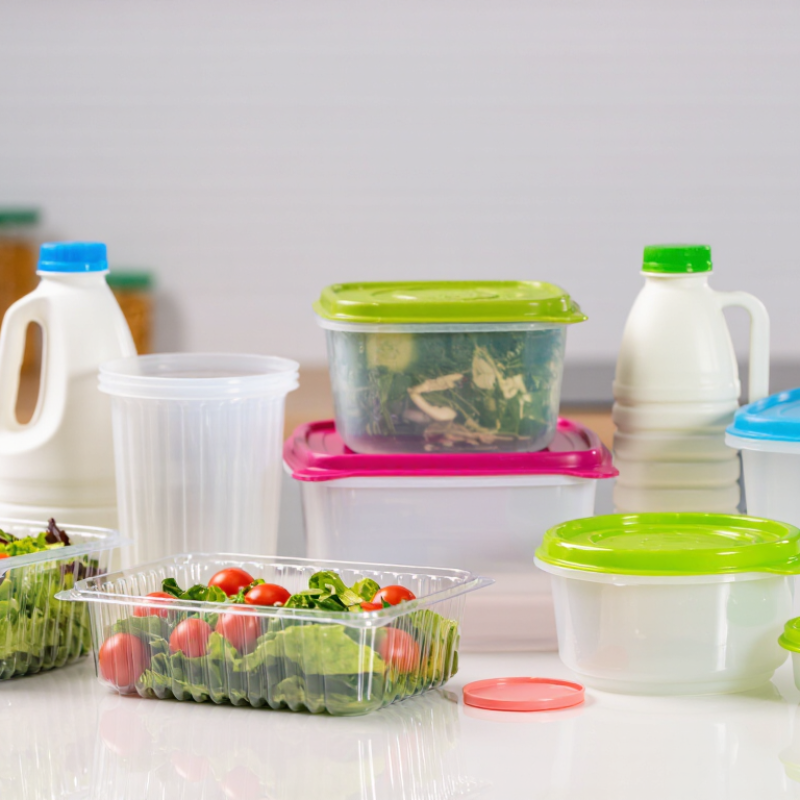
Plastic food containers mainly fall into rigid and flexible formats. Rigid containers include tubs, trays, cups, jars, and boxes. Polypropylene is widely used for meal prep because it handles repeated washing and moderate heat well. However, microwave suitability depends on the specific design and instructions. Polyethylene terephthalate offers excellent clarity, making it useful for salads, fruit, and chilled prepared foods. It is usually chosen for cold applications rather than reheating.
High-density polyethylene containers are tougher and often opaque. They suit sauces, dairy products, and bulk food storage where impact resistance matters. Low-density polyethylene is softer and more flexible. It appears in pouches, liners, squeeze packs, and sealing films. Foam containers remain lightweight and provide insulation, but their performance differs greatly under heat, pressure, and transport conditions. The material alone does not tell the whole story.
In real purchasing work, I check the lid fit, wall thickness, stacking strength, and seal consistency. A container may look sturdy yet crack around the hinge after repeated use. Clear packaging improves product visibility, but light-sensitive foods may need better protection. Rectangular boxes save warehouse space, while round tubs can reduce corner residue during cleaning. Buyers should test filled samples during cooling, transport, and opening. There is no perfect type. A lower-cost option can create more waste when lids warp or seals fail.
2026 Top Plastic Food Container Types for Global Buyers
What are the main types of plastic food containers?
Polypropylene (PP), high-density polyethylene (HDPE), low-density polyethylene (LDPE), polyethylene terephthalate (PET), and polystyrene (PS) are widely used food-container plastics. The chart compares their typical material-density ranges, which can help global buyers distinguish container types and evaluate characteristics such as rigidity, weight, and transparency. Exact density varies by grade, additives, and manufacturing process.
Data shown as representative typical density values in g/cm³: PP 0.90–0.91, HDPE 0.94–0.97, LDPE 0.91–0.93, PET 1.33–1.40, and PS 1.04–1.06. Resin identification codes are included for reference.
Which Container Designs Suit Different Food Storage Needs?
Container design should follow the food, not the other way around. Dry grains, spices, and snacks need wide openings, stable bases, and lids that resist pantry dust. Transparent walls help staff check stock quickly. For soups, sauces, and cut fruit, a flexible gasket and four-sided closure reduce leaks during delivery. Still, no seal is perfect. Buyers should test filled containers upside down, after chilling, and during gentle shaking.
Meal-prep users often value shallow rectangular containers because food cools faster and stacks neatly. Divided designs keep rice, vegetables, and protein separate, although small compartments can complicate washing. Round containers suit stirring and reheating, while narrow shapes save shelf space. Microwave use requires careful material verification, vented lids, and clear heating instructions. Do not trust appearance alone. Food-contact documentation, temperature data, and migration testing provide stronger evidence than a glossy sample.
Freezer storage needs expansion room, flexible walls, and lids that remain usable below zero. Stackable containers help commercial kitchens, but tight corners may trap oil and moisture. For global buyers, confirm documentation for each destination market before ordering. In purchasing trials, I compare closure force, odor retention, drop resistance, and cleaning time. These details reveal weaknesses that showroom photos hide. A perfect universal container is unlikely. Buyers may accept a small compromise, but they should record it before placing a large order.
What Safety Standards Apply to Plastic Food Containers?
For global buyers, plastic food container safety starts with intended use, not appearance. A container for hot soup faces different risks than one for dry snacks. Food-contact plastics should meet the rules of the destination market.
In the United States, requirements may include FDA food-contact regulations under 21 CFR. In the European Union, Regulation (EU) No 10/2011 covers plastic food-contact materials. China’s applicable framework includes GB 4806.7 for plastic food-contact materials and articles. Requirements can change, so current official texts matter.
Compliance is not a universal label. It depends on polymer type, additives, food categories, temperature, and contact time.
A reliable supplier should provide material specifications, batch traceability, and a Declaration of Compliance where required. Ask for overall and specific migration test results.
Testing should reflect real conditions, such as repeated microwave heating or freezer storage. An ISO/IEC 17025-accredited laboratory can improve confidence in the results.
Check lids, seals, colorants, and printing inks too. They may contact food directly. Recycled plastic requires extra scrutiny because contamination risks can be harder to control.
Do not accept a generic “food grade” claim without supporting documents. It sounds reassuring, but it proves very little.
Tips:
Request samples from the production batch, not only showroom pieces. Confirm temperature limits on the technical sheet. Inspect odor, warping, cracks, and loose closures after testing. Keep supplier records and review them yearly. A checklist helps, but it can create false confidence. Human judgment still matters when products cross several markets.
How Can Global Buyers Evaluate Suppliers and Products?
Global buyers should evaluate plastic food container suppliers beyond catalog photos and low prices. In 2026, common options include polypropylene containers for reheating, PET containers for clear chilled foods, and HDPE containers for durable storage. Each material needs different performance evidence. Ask for food-contact declarations, migration test reports, and batch-specific certificates of analysis. Check whether documents match the exact resin, colorant, lid, and production site. A polished file is not proof. Request recent samples from normal production, not specially selected units. Small details matter.
Supplier assessment should include factory capacity, quality controls, traceability, and corrective-action records. Review sealing strength, stack stability, odor, surface defects, and dimensional accuracy. Test containers after refrigeration, microwave heating, freezing, and repeated handling when relevant. Drop tests can reveal weak corners or lids that appear perfect on a desk. Confirm carton protection, pallet loading, labeling, and moisture control for ocean shipping. Ask about tooling ownership and replacement lead times. Some suppliers provide excellent samples but struggle with mass production. That gap deserves honest attention. No checklist is perfect, especially across changing destination requirements. Keep written inspection criteria and retain tested samples for future comparison.

.svg)


