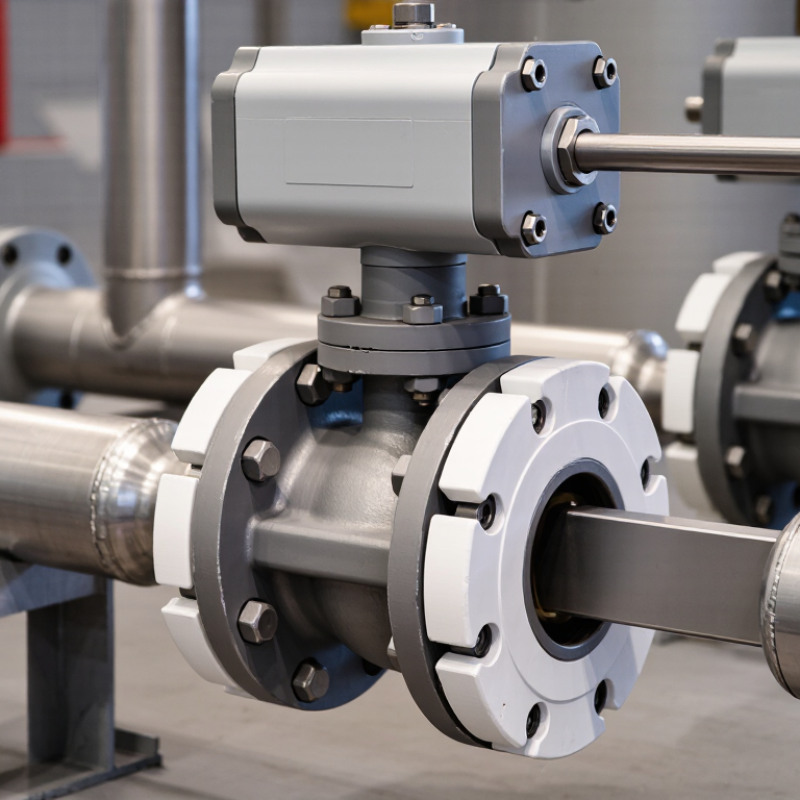
| Abrasion resistance | Ceramic type and coverage; whether the body, gate, and wear-prone flow surfaces are protected. | Select a documented ceramic-lined design for the actual slurry, particle size, concentration, and flow conditions. | Ceramic surfaces can resist abrasive wear, but performance depends on the material, installation, and service conditions. |
| Ceramic toughness and impact exposure | Ceramic grade, support method, component geometry, and exposure to impact or vibration. | Ask for material and construction details; avoid designs that leave ceramic parts unsupported in impact-prone areas. | Ceramics are hard and wear-resistant but can be brittle, so impact and installation stresses need consideration. |
| Pressure and temperature limits | Rated pressure, operating temperature, pressure differential, and limits of the body, lining, packing, and seat. | Confirm the manufacturer’s pressure-temperature data for the exact size, materials, and configuration; include operating and upset conditions. | Allowable limits are design-specific and should not be inferred from ceramic material properties alone. |
| Shutoff and leakage | Seat design, permitted leakage, test medium, test pressure, and whether shutoff is required in one or both directions. | Specify the required leakage acceptance and request test documentation for the selected valve configuration. | “Tight shutoff” can mean different things; a defined acceptance criterion makes comparisons meaningful. |
| Slurry handling and passage | Solids content, particle size and shape, settling tendency, flow direction, and potential for clogging or bridging. | Choose a flow passage and gate arrangement demonstrated to handle the process slurry; verify orientation and operating procedure. | A valve suitable for abrasive service may still be unsuitable for a slurry that settles, bridges, or contains oversized solids. |
| Corrosion and chemical compatibility | Process-fluid chemistry and compatibility of the body, ceramic, gate, seat, packing, and fasteners. | Review material compatibility across all wetted components at the actual concentration and temperature. | Ceramic lining does not make every internal component chemically resistant. |
| Actuation and operating effort | Manual or powered operation, required thrust or torque, cycle frequency, available utilities, and fail position if applicable. | Have the actuator sized for the valve’s specified differential pressure and service conditions, with suitable controls and safety provisions. | Solids and pressure can increase operating loads; actuator sizing should use manufacturer data for the application. |
| Maintenance and repairability | Access to wear parts, replaceable seat or lining components, repair instructions, and service support. | Check which parts are replaceable and whether inspection and repair can be performed with the available site resources. | Maintainability affects downtime and lifecycle cost, particularly in high-wear service. |
| Testing and documentation | Pressure and seat-test records, material documentation, drawings, operating instructions, and applicable project requirements. | Require documented tests and traceable specifications that match the ordered valve and the applicable project standard. | Documentation helps verify the supplied configuration and its suitability for the specified duty. |
| Lifecycle value | Purchase price, expected wear-part replacement, maintenance labor, downtime, and energy or actuator requirements. | Compare total cost over the expected service interval rather than purchase price alone. | A higher initial cost may be justified if verified service life and maintainability reduce operating costs. |

.svg)