Food Safety Insights

In Eagle’s Advanced Insights Blog, experts share their know-how by keeping you up-to-date with the latest trends to ensure your inspection equipment keeps your products safe. Eagle is an industry leader when it comes to performance and innovation, and we’ll share the news that’s important to you to enhance your quality assurance program.

Suggest topic you would like to see at:

sale@generalmachinery.org

Top 10 Best Food Inspection Equipment for Quality Control

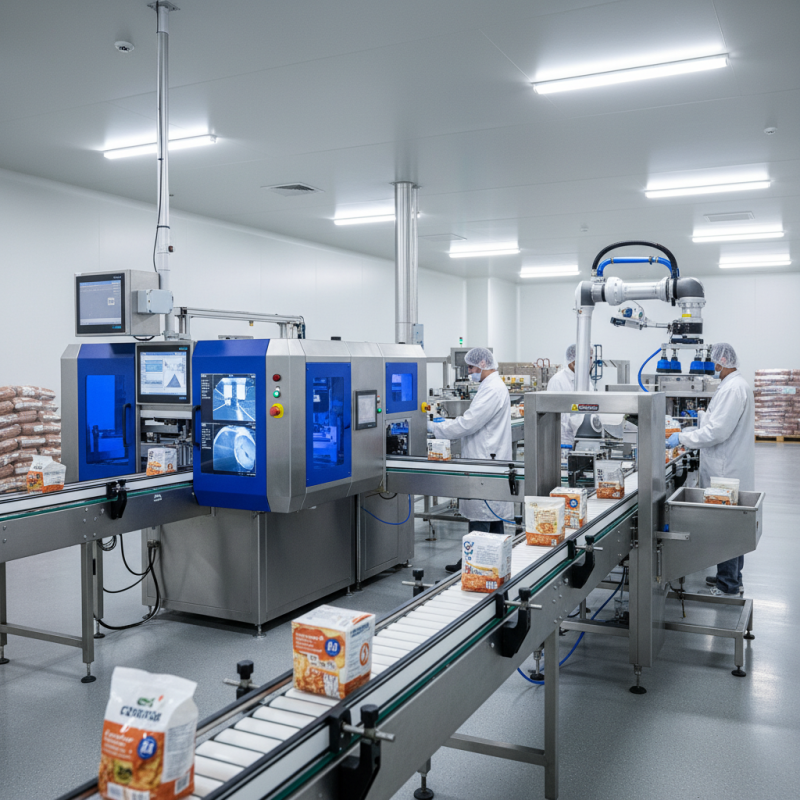
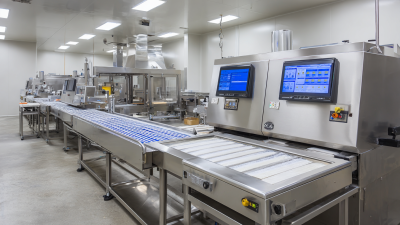
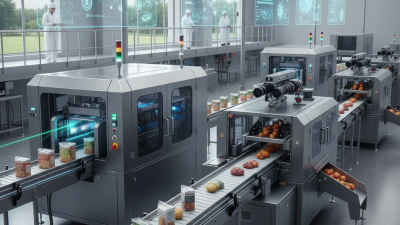
Quality control is essential in the food industry. Ensuring the safety and integrity of food products is a top priority. The use of effective food inspection equipment plays a significant role in this process. Various tools help detect contaminants or flaws in food items.

Selecting the right equipment can be challenging. There are numerous options available, each designed for specific purposes. For instance, X-ray systems can find foreign objects, while metal detectors catch metallic contaminants. These tools are crucial but can also be costly and require training to use effectively.

In addition, some equipment may not be foolproof. Even the best food inspection equipment can miss certain issues. This highlights the need for ongoing evaluation and improvement in food safety measures. A commitment to constant learning and adaptation is vital for maintaining high quality in food production.

Top 10 Best Food Inspection Equipment for Quality Control

Overview of Food Inspection Equipment and Its Importance

Top 10 Best Food Inspection Equipment for Quality Control

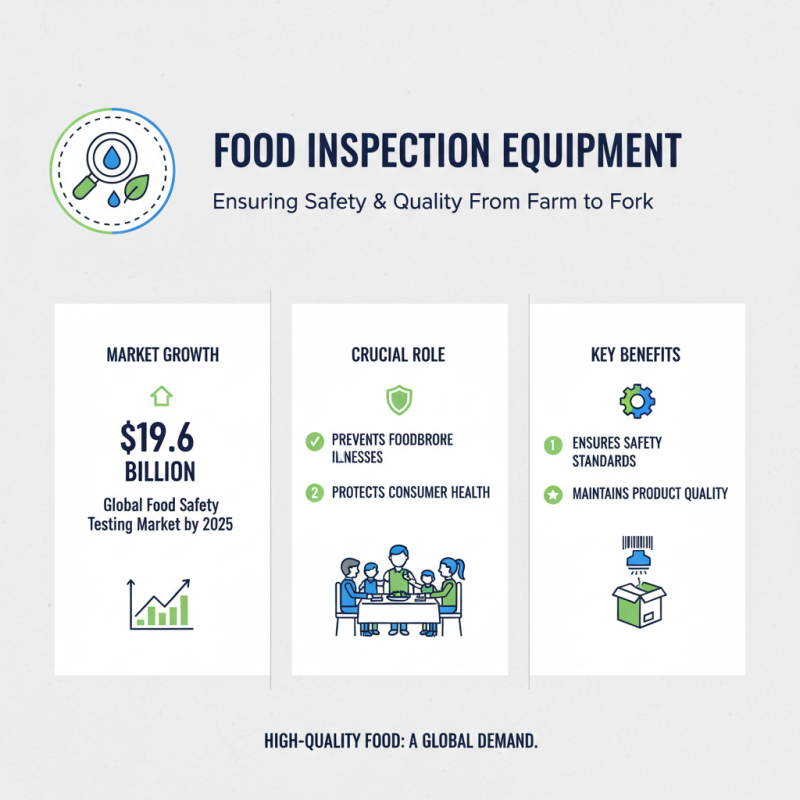
Food inspection equipment plays a crucial role in maintaining the safety and quality of food products. The global food safety testing market is expected to reach $19.6 billion by 2025, highlighting its importance in preventing foodborne illnesses. Consumers demand high-quality food. Inspection tools ensure that food meets safety standards and quality benchmarks.

Different types of equipment are used throughout the food production process. X-ray machines detect foreign objects, while metal detectors identify contaminants. Visual inspections ensure food looks appealing. Data indicates that 48 million people get sick due to foodborne diseases each year in the U.S. alone. This emphasizes the need for effective inspection machinery.

While advancements in technology improve efficiency, challenges remain. Not all businesses can afford the latest equipment. Training staff properly is another hurdle. Understanding the importance of rigorous inspection protocols is vital for all industry players. Quality control cannot be overlooked, as it directly affects consumer health and brand reputation.

Key Features to Consider When Choosing Food Inspection Equipment

When selecting food inspection equipment, certain features are crucial for ensuring effective quality control. Sensitivity and accuracy stand out as key elements. Research from the Food Safety and Inspection Service indicates that 30% of food products fail to meet safety standards due to inadequate inspection methods. Thus, having highly sensitive devices can help detect contaminants at low levels, which is essential for consumer safety.

In addition, ease of use is important. Operators should handle the equipment without extensive training. A survey shows that around 25% of food processing facilities report equipment usability issues. These problems often lead to delays in inspection and compromised safety. Furthermore, consider the equipment's versatility. It should be able to inspect various food types efficiently. Many facilities find themselves investing in multiple devices, increasing costs unnecessarily.

Another factor to keep in mind is the equipment’s maintenance requirements. Frequent maintenance can disrupt operations. Statistically, around 20% of equipment downtime results from poor maintenance practices. Operators need to ensure that the inspection processes remain uninterrupted. Reflection on these aspects will help in choosing the right equipment, ultimately enhancing food safety efforts.

Top 10 Food Inspection Equipment for Quality Control

Top 10 Food Inspection Tools for Ensuring Quality Control

Ensuring quality control in food production is crucial. It prevents contamination and maintains safety standards. Using the right food inspection tools is essential for effective quality control. Various equipment helps identify issues before they become major problems.

Tip: Always calibrate your tools regularly. This ensures accurate measurements and reliable results. Poor calibration can lead to serious oversights.

One must consider the common food inspection equipment, such as metal detectors and X-ray machines. These tools can spot foreign materials in products. Other devices, like moisture meters, check for the right moisture content. This helps maintain food integrity.

Tip: Train your staff on using these tools properly. Misuse can lead to inaccurate readings and faulty inspections.

Different environments may require different tools. For instance, inspecting packaged goods may need different equipment than fresh produce. Flexibility in equipment selection is key. Not every tool is suitable for every scenario, so choose wisely.

Comparative Analysis of Food Inspection Equipment Options

Top 10 Best Food Inspection Equipment for Quality Control

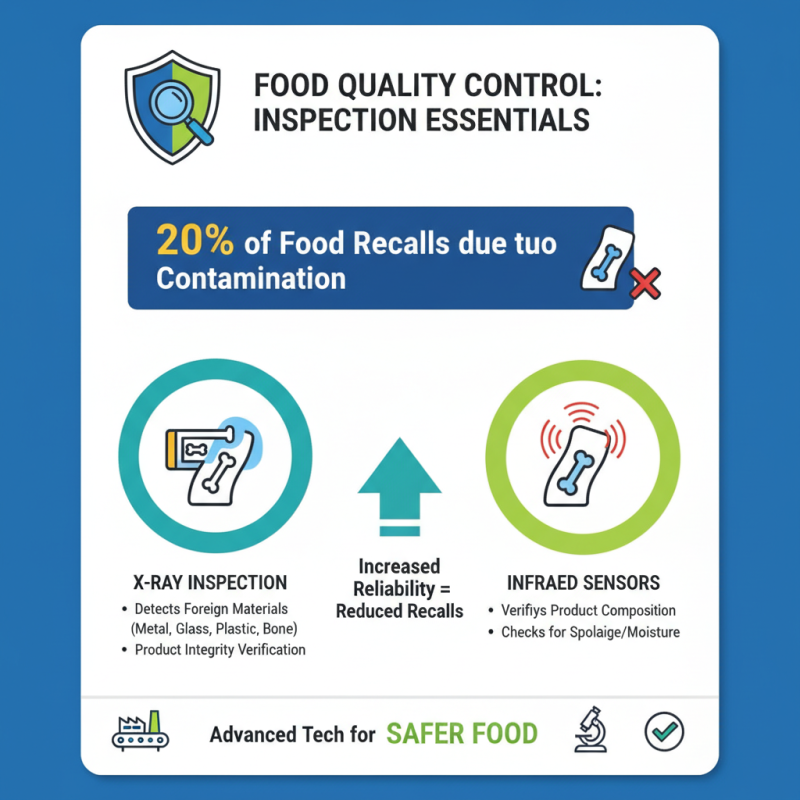
In food quality control, selecting the right inspection equipment is crucial. According to industry reports, nearly 20% of food recalls are due to contamination. This highlights the need for reliable inspection tools. Advanced technologies like X-ray inspection and infrared sensors have gained popularity. They help in detecting foreign materials and verifying product integrity.

A comparative analysis shows variances in effectiveness among inspection tools. For example, metal detectors are quite effective for specific contaminants. However, they might miss smaller particles. On the other hand, visual inspection methods are simplistic but often prone to human error. Reports indicate that many food processors rely on outdated methods, which can lead to significant risks.

Additionally, emerging technologies are reshaping this landscape. Combining multiple methods can enhance accuracy. Some recent trends indicate that AI-powered inspections may reduce operational costs by 30%. Yet, integration of such technologies is not without challenges. Training staff can be resource-intensive. Many facilities may find adapting to new systems difficult. The industry must address these gaps to improve overall food safety standards.

Future Trends in Food Inspection Technology and Quality Standards

The landscape of food inspection technology is evolving rapidly. Advances in sensor technologies are now crucial for quality control in food production. These sensors can detect contaminants that are invisible to the naked eye. This shift towards more sensitive detection methods enhances safety. However, the challenge remains in validating these technologies across diverse food products.

Machine learning is also making strides in food inspection. By analyzing data from various inspections, algorithms can identify patterns. This helps in predicting potential quality issues. Yet, reliance on technology raises questions about human oversight. Can we trust machines entirely? It’s important to find a balance between automation and manual checks.

Another trend is the growing emphasis on real-time inspections. Instant feedback can lead to quicker interventions. However, implementing such systems is not without hurdles. Infrastructure upgrades and training are necessary but often overlooked. The future of food inspection depends on addressing these challenges effectively. It's crucial for businesses to not only adopt new technologies but also refine their processes consistently.

Top 10 Best Food Inspection Equipment for Quality Control

Equipment Type Function Key Features Future Trends
Metal Detectors Identify metal contaminants in food products Sensitivity adjustments, multi-frequency detection Integration with IoT for real-time monitoring
X-Ray Inspection Detect foreign objects and product integrity High-resolution imaging, 3D modeling Automated analysis using AI algorithms
Spectroscopy Analyze the composition of food products Non-destructive testing, rapid results Portable devices for on-site testing
Thermal Imaging Identify temperature anomalies in food Real-time analysis, easy reporting Integration with predictive maintenance systems
Chemical Testing Kits Detect chemical contaminants Easy to use, quick results Advancements in sensitive detection technologies
Weighing Scales Ensure accurate product weights High precision, connectivity options Smart scales with automated tracking features
Hygiene Monitoring Systems Monitor cleanliness of food areas Real-time alerts, data logging Integration with overall food safety management
Vision Inspection Systems Ensure quality and packaging integrity Machine learning capabilities, 360-degree inspection AI-driven pattern recognition
Blockchain Tracking Systems Traceability of food supply chain Immutable records, transparency Greater adoption in regulatory compliance
Smart Sensors Monitor environmental conditions Wireless connectivity, cloud data management Expansion in smart farming applications

Any Questions? We Are Here for You

Contact Us

Contact Us

Request information

Ask us a question
Service Support

Service Support

Available 24 hours a day, 7 days a week.

Get in Touch
Find a representative

Find a representative

Contact your local representative

View Locations