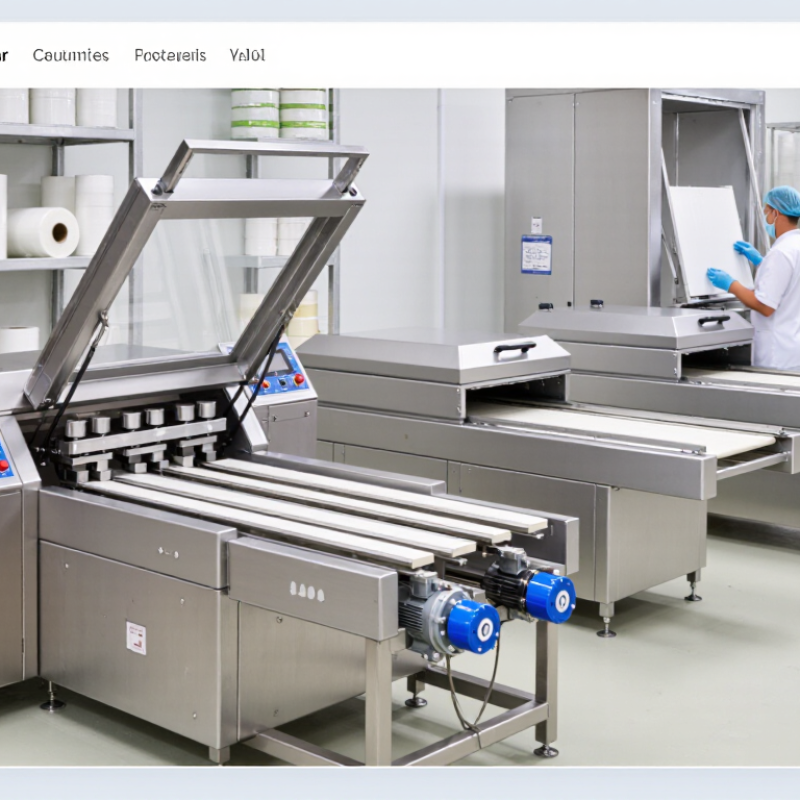
Which industrial vacuum packaging machine is best in 2026? The practical answer depends on product, throughput, film, and plant conditions. In production trials, the strongest choice is often a machine with stable vacuum control, repeatable sealing, and clear operator feedback. A high-capacity pump matters, but only when it matches chamber size and cycle speed. Excessive pump capacity can increase energy use without improving package quality. Look for stainless construction, tool-free cleaning areas, and seals that remain accessible during inspections. Hygiene is not a marketing detail. It affects downtime and audit confidence.
For wet, irregular, or fragile products, independent control of vacuum, gas flushing, and sealing temperature provides useful flexibility. Sensors should detect incomplete seals, pressure changes, and chamber faults before rejected packs reach distribution. Data logging also helps technicians compare shifts and identify gradual performance drift. Ask for documented test results using your actual product and film. Demonstrations with empty chambers prove very little. A machine may run beautifully for one hour and struggle across a long shift. That limitation deserves attention.
The best 2026 system should fit the whole line, not just the packaging station. Check loading height, conveyor timing, electrical demand, spare-part access, and local service response. Safety guarding must support quick cleaning without encouraging shortcuts. Total cost includes labor, compressed air, electricity, maintenance, training, and unplanned stoppages. No machine is perfect. I would still choose predictable recovery after a fault over a faster advertised cycle. Before purchase, record seal strength, residual oxygen, cycle consistency, and cleaning time across several production days. Let real measurements challenge the sales specification.

.svg)