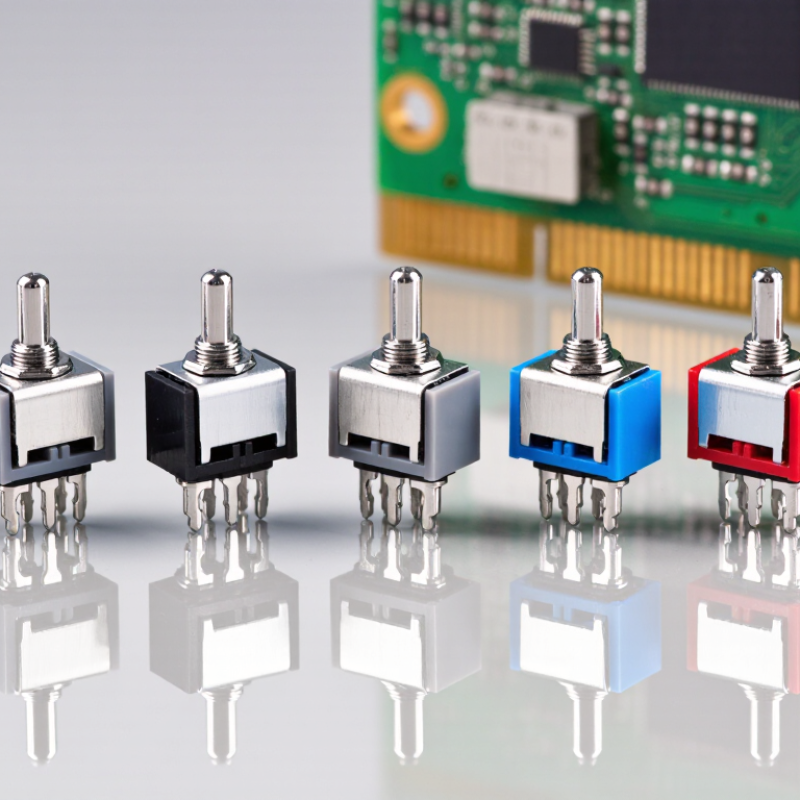
| 1. IEC 61058-1 applicability | IEC 61058-1 covers switches for appliances and similar equipment. Applicability depends on the switch and its intended use; citing the standard alone does not establish that every model or configuration is compliant. | Model-specific test report or certificate, issuing laboratory, report date, standard edition, and the exact part number covered. | Check that the document covers the offered model and configuration. Confirm that the standard and edition meet the requirements for the target product and market. |
| 2. Electrical ratings | Voltage and current ratings describe permitted operation under stated conditions. A rating is not directly comparable unless the load type and other test conditions are also known. | Datasheet showing rated voltage, current, AC/DC status, load type, and any applicable operating or temperature conditions. | Compare ratings at the same voltage, current type, and load conditions. Do not treat a maximum rating as a universal switching capability. |
| 3. Electrical life | Electrical life is the number of operations under a specified electrical load and test setup. It can differ from mechanical life, which is measured without the same electrical switching stress. | Life-test report stating load, switching frequency, test circuit, operating conditions, sample size, and pass/fail criteria. | Compare electrical-life figures only when test conditions are sufficiently similar. Ask for separate electrical and mechanical life values. |
| 4. “1M-cycle” life claim | “1M cycles” means a claim of one million operations, but the phrase alone does not identify whether the figure is mechanical or electrical life, or the conditions under which it was measured. | Written confirmation of what counts as one cycle, whether the claim is mechanical or electrical, the test load, and the supporting report for the specific model. | Treat the figure as unverified until its test method and conditions are documented. Do not compare it with a differently defined cycle-life claim. |
| 5. PCB fit and termination | PCB compatibility depends on the actual terminal arrangement and dimensions, not simply on a product being described as a PCB micro switch. | Dimensioned drawing, terminal pitch and dimensions, recommended PCB layout, mounting details, and available tolerances. | Check the drawing against the board footprint and assembly process. Confirm fit using production-intent samples before release. |
| 6. Operating characteristics | Operating force, travel, release point, and contact configuration affect actuation and circuit behavior. These are model-specific characteristics. | Datasheet values and tolerances for operating force, pre-travel or travel, release position, contact arrangement, and terminal diagram. | Compare the same parameter definitions and tolerances. Validate feel and actuation points in the intended mechanism. |
| 7. Traceability and change control | Consistent production and documented changes help buyers manage qualification, incoming inspection, and ongoing supply risk. | Part-number identification, revision-controlled datasheets, lot traceability details, and a documented process for notifying customers of product changes. | Confirm that samples, qualification documents, and quoted production parts use the same model and revision. Agree on change-notification requirements. |

.svg)