7 Best Recyclable Packaging Bags for Global Buyers?
Choosing a Recyclable packaging bag is not just a material decision. Global buyers also weigh product protection, shipping conditions, branding, and end-of-life options. A pouch holding roasted coffee needs a reliable barrier against moisture and oxygen. A lightweight mailer faces different demands, including puncture resistance and secure seals. The right choice depends on the product and its journey.
This guide explores seven recyclable packaging bag options, from paper-based designs to mono-material plastic formats. It considers practical details buyers can check, such as layer structure, seal strength, print requirements, and supplier documentation. Ask what each component is made from. A bag may be described as recyclable, yet local collection and sorting systems can affect whether it is accepted. That distinction matters.
Details matter. Request material specifications and clear recycling guidance before placing a large order. Where suitable, review third-party certifications and test samples with the actual product. A package that looks sturdy on a catalog page may crease, leak, or lose its seal during transit. No single format suits every market. And supplier claims deserve questions, not assumptions. These options offer a practical starting point for comparing performance, cost, and recycling access—while leaving room to reassess choices as packaging needs and local systems change.
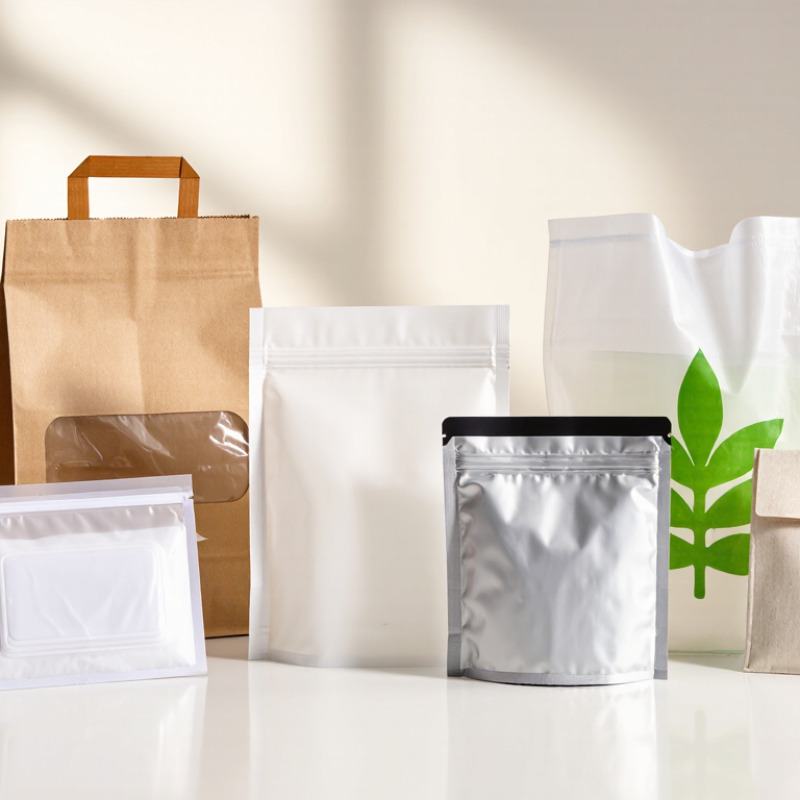
What Recyclable Packaging Bags Are and How They Work
Recyclable packaging bags are flexible containers designed to be collected, sorted, and processed into material for new products. Many use a single polymer, such as polyethylene, because simpler material structures can be easier to sort and recycle. Some bags use multiple layers for moisture or oxygen protection. These can be harder to process when the layers cannot be separated or handled together by local recycling systems.
After use, a bag’s journey depends on collection access and sorting equipment. Facilities may identify suitable plastics, remove contaminants, and shred and wash the material. The clean flakes can then be melted into pellets for manufacturing. The pellets may become new packaging or other plastic products. Recyclable does not always mean recycled. A bag can be technically recyclable but still lack a practical collection route.
Tips: Check the bag’s material and local recycling guidance before choosing it. Keep bags clean and dry where collection rules require that. Avoid assuming that a recycling symbol guarantees acceptance. One small complication: ink, labels, closures, and leftover product can affect sorting or processing. Packaging design improves when buyers test the whole bag, not just its main film. That step is easy to overlook.
Materials and Designs That Make Packaging Bags Recyclable
Recyclability begins with the material structure, not the recycling symbol. For flexible bags, a single polymer family—such as PE or PP—can simplify sorting and processing where local facilities accept it. Keep zippers, labels, adhesives, and inks compatible with that material. Avoid bonded layers of different plastics or foil when they cannot be separated. Keep it simple. A bag that looks recyclable may still be rejected if its components disrupt processing.
Paper bags need careful design too. Plastic windows, heavy coatings, and moisture barriers can interfere with repulping; test the finished bag with relevant paper-recycling processes. The Ellen MacArthur Foundation’s 2016 New Plastics Economy report estimated that only 14% of plastic packaging was collected for recycling, while about 2% was recycled into packaging of similar quality. Separately, the OECD’s Global Plastics Outlook estimated that 9% of plastic waste was recycled globally in 2019. These figures use different scopes, but they show the gap between collection and effective recycling. A well-designed bag helps, but it cannot create local collection or processing capacity. That part is easy to overlook.
7 Recyclable Packaging Bag Designs: Material Families per Structure
These bars show the number of distinct material families in representative bag structures—not recycling rates. Designs made from one material family can be easier to sort into compatible recycling streams, but actual acceptance depends on local collection and recycling systems. Liners, windows, coatings, and laminates may affect recyclability.
Seven Recyclable Packaging Bag Types for Global Buyers
Recyclable packaging bags are not defined by appearance alone. Their material, coatings, closures, and local collection systems all matter. Seven useful formats include uncoated kraft paper bags, paper bags with water-based barrier coatings, mono-PE film bags, PE zipper pouches, mono-PP bags, woven PP sacks, and mono-PE shipping mailers. The coated paper option needs particular care: some coatings suit paper recycling, while others can interfere with pulping.
Mono-material designs are often easier to sort than mixed-material laminates. Still, “mono-material” does not guarantee acceptance everywhere. A PE pouch may need a flexible-film drop-off stream, while a paper bag may require clean, dry fibers. Woven PP sacks can be durable and recyclable where facilities accept that format. Check the bag body, handles, labels, and zipper as a complete package. Small parts count.
For global buyers, request material specifications and evidence behind recyclability claims. Ask suppliers whether inks, adhesives, and barriers are compatible with the intended recycling stream. Then confirm that stream exists in the markets where customers will dispose of the bag. Test samples with the actual product, too; oils or moisture can change performance. The practical trade-off is real. A simpler bag may use more material, and a lighter one may need a stronger barrier. Packaging decisions are rarely perfect, so document the compromise and review it as collection systems change.
How to Compare Bags by Product, Protection, and Recycling Needs
Choosing a recyclable bag starts with the product, not the material label. A bag for crisp snacks needs different protection from one holding a dry shirt. Check weight, sharp edges, moisture, and expected storage time. Then compare paper, mono-material films, and other available formats. Thin bags may use less material, but they can split under rough handling. That trade-off is easy to underestimate.
Protection should match real shipping conditions. A sample may look sturdy on a desk and fail after a damp warehouse stay. Test filled bags with your actual product, seal, and shipping method. For powders or oily goods, inspect leaks and seal strength. For light, dry items, a simpler structure may be enough. Do not add layers by habit; extra barriers can complicate recycling.
Recycling depends on local collection and sorting systems, not only a package’s design. Ask suppliers for clear material details and practical disposal guidance. Check whether labels, windows, coatings, or closures use different materials. These small parts can matter. They can also be hard to assess without technical documents. Run a modest shipment trial, then review damage rates and buyer feedback. The first choice may not be the best one. That is useful information.

.svg)


