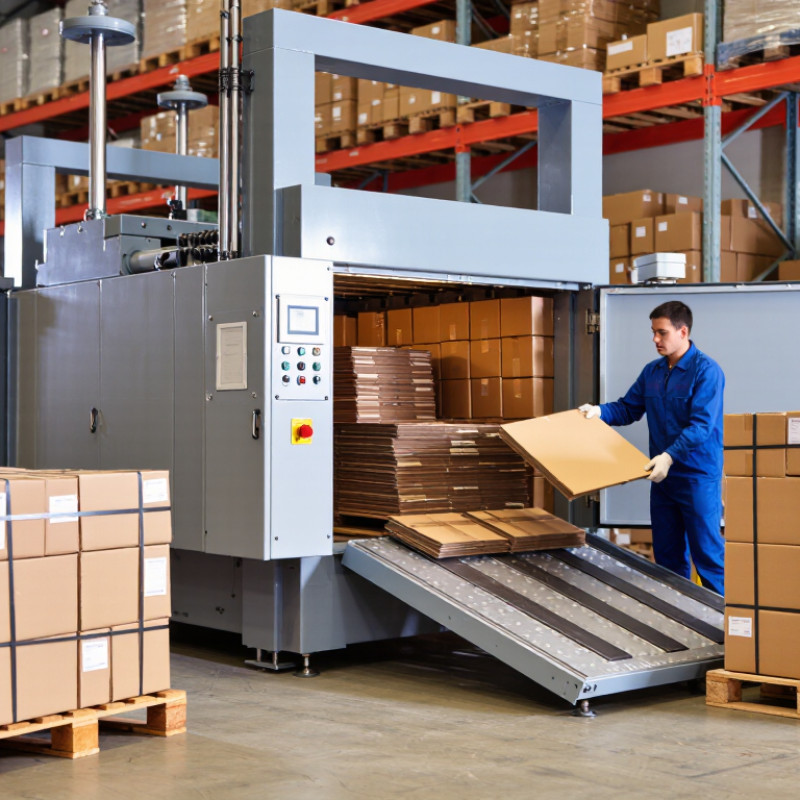
| Feed Hopper or Loading Chamber | Material Handling | Receives flattened cardboard and directs it into the compression area. | Operators or a conveyor place recyclable cardboard into the chamber. The chamber helps keep loose material within the baler during loading. | Cardboard should be distributed evenly, and hands should never enter the chamber while the machine is operating. |
| Compaction Ram or Platen | Compression | Compresses cardboard into a dense, manageable bale. | The ram moves forward through the chamber and applies force to reduce the material's volume. It retracts after the programmed compression cycle. | The ram requires intact guards, limit controls, and regular inspection for contamination or mechanical damage. |
| Hydraulic Cylinder | Power Transmission | Converts hydraulic pressure into the linear movement of the ram. | Pressurized hydraulic fluid enters the cylinder, extending or retracting the piston rod according to the control sequence. | Leaks, damaged hoses, unusual noise, or slow movement can indicate a hydraulic problem requiring qualified service. |
| Hydraulic Pump | Power Unit | Circulates hydraulic fluid and creates the pressure needed for compaction. | An electric motor drives the pump, which transfers fluid from the reservoir to the hydraulic circuit. | Correct fluid level, cleanliness, and operating temperature are important for reliable performance. |
| Electric Motor | Drive System | Provides rotational power to the hydraulic pump. | When the control system starts a cycle, the motor runs the pump to generate hydraulic flow and pressure. | The motor should be protected from moisture, excessive dust, overloads, and inadequate electrical connections. |
| Hydraulic Reservoir | Fluid Management | Stores and helps cool the hydraulic fluid used by the system. | Fluid returns to the reservoir after passing through the cylinder and control valves, allowing the cycle to repeat. | The reservoir should be checked for the correct fluid level, contamination, and signs of leakage. |
| Directional Control Valve | Hydraulic Control | Controls the direction and timing of hydraulic fluid flow. | The valve sends fluid to extend or retract the cylinder, allowing the ram to complete its compression cycle. | Valve faults may cause incomplete strokes, unexpected movement, or failure to return to the home position. |
| Bale Chamber | Bale Formation | Holds compressed cardboard in a defined shape and size. | As the ram compresses the material, the chamber confines it so the finished bale remains compact after compression. | The chamber must be kept clear of excessive debris, and the door or retaining mechanism must close securely. |
| Bale Ejection or Discharge Door | Bale Removal | Allows the completed bale to be removed from the chamber. | After tying or securing the bale, the door is opened manually or hydraulically, depending on the baler design. | The ram must be fully retracted and the machine isolated before clearing a jam or removing a bale. |
| Bale Tying System | Bale Securing | Keeps the compressed cardboard together after it leaves the chamber. | Operators typically use wire, plastic strapping, or approved tying material through channels or around the compressed bale. | Ties must be tight enough to hold the bale but should not be handled without suitable gloves and eye protection. |
| Control Panel | Machine Control | Starts, stops, and manages the baler's operating cycle. | Buttons, switches, or a programmable controller coordinate motor operation, ram movement, and cycle status. | Controls should be clearly labeled and kept accessible. Only trained personnel should change operating settings. |
| Limit Switches and Position Sensors | Automation and Monitoring | Detect the position of doors, the ram, and other moving parts. | Signals from the sensors allow the control system to start or stop movement only when required conditions are met. | Defective or misaligned sensors can prevent cycling or create unsafe conditions and should not be bypassed. |
| Safety Interlocks | Safety System | Prevent operation when access doors or guards are open. | An interlock interrupts the control circuit when a protected opening is not securely closed. | Interlocks are critical protective devices and must be tested according to the equipment's maintenance procedure. |
| Emergency Stop Device | Emergency Protection | Stops hazardous machine movement during an emergency. | Pressing the emergency stop interrupts the machine's control functions, allowing the equipment to shut down quickly. | It does not replace lockout and isolation procedures for maintenance, cleaning, or jam removal. |
| Frame and Structural Housing | Structural Support | Supports the chamber, hydraulic components, motor, and moving assemblies. | The rigid frame absorbs compression forces and keeps the major components aligned during operation. | Cracks, loose fasteners, corrosion, or distortion can affect alignment and should be reported promptly. |

.svg)