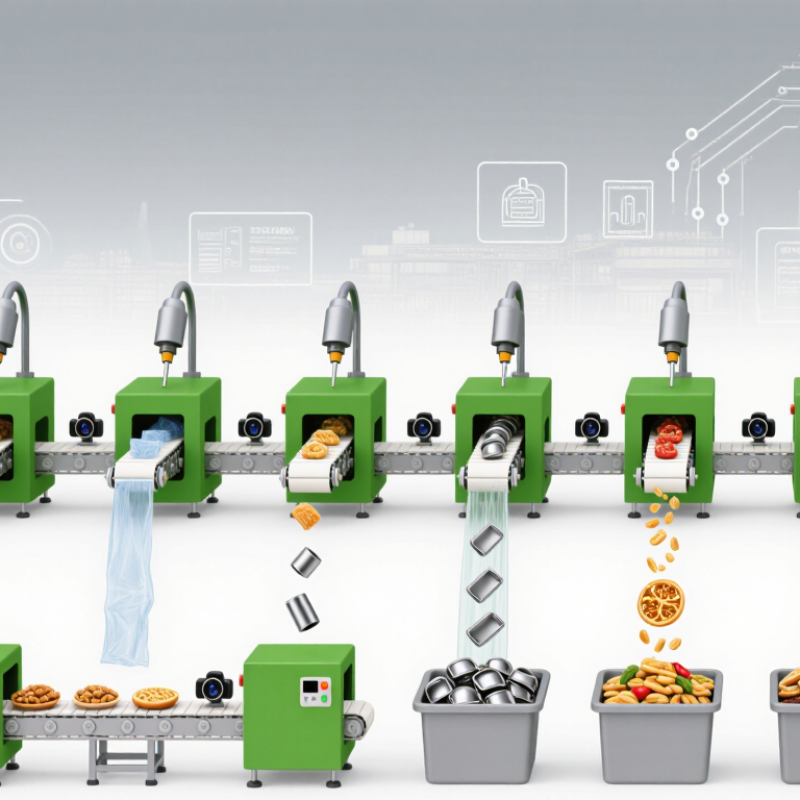
| 1 | Energy efficiency | Lower-power LED lighting and optimized air systems | Reduces electricity consumption during continuous sorting operations. | Request measured power consumption per operating hour and per tonne of material. |
| 2 | Sorting accuracy | Common commercial target: 90%–99%, depending on material and contamination level | Higher accuracy reduces reprocessing, waste, and unnecessary transport. | Review test results using the customer’s actual feedstock and impurity profile. |
| 3 | Throughput capacity | Approximately 2–15 tonnes per hour, depending on belt width, material density, and configuration | Higher throughput can improve resource recovery while lowering energy use per tonne. | Confirm capacity under real operating conditions rather than empty-belt ratings. |
| 4 | Detection technology | Color cameras, near-infrared sensors, hyperspectral sensing, or combined systems | Multi-sensor detection improves recovery of recyclable materials and reduces reject volumes. | Check the detectable material types, particle-size range, and sensor resolution. |
| 5 | Compressed-air consumption | Typically about 0.2–0.6 m³/min for medium-scale equipment, depending on ejector design | Efficient valves and optimized nozzle layouts reduce operating emissions and utility costs. | Ask for air consumption at the intended pressure, usually around 0.6–0.8 MPa. |
| 6 | Material compatibility | Common applications include plastics, glass, metals, minerals, grains, and food products | Broad compatibility allows one facility to recover more material streams. | Verify whether the machine supports wet, dusty, mixed-size, or irregularly shaped materials. |
| 7 | Operating stability | Industrial systems commonly use enclosed electrical cabinets, belt tracking, and automatic fault alerts | Stable operation minimizes downtime, waste accumulation, and repeated start-up energy use. | Review uptime records, maintenance intervals, alarm functions, and spare-part availability. |
| 8 | Environmental protection | Typical features include dust-resistant enclosures, sealed sensor windows, and washable contact areas | Protection from dust and moisture extends service life and reduces replacement waste. | Confirm the enclosure rating, cleaning procedure, and allowable temperature and humidity range. |
| 9 | Control and connectivity | Touchscreen control, recipe management, remote diagnostics, and production-data export | Real-time monitoring supports process optimization and prevents unnecessary machine operation. | Check compatibility with plant-management systems and availability of remote technical support. |
| 10 | Lifecycle sustainability | Modular components, replaceable wear parts, software upgrades, and documented maintenance plans | Longer equipment life lowers embodied carbon, disposal volume, and total resource consumption. | Evaluate warranty terms, upgrade paths, repairability, and the availability of recyclable components. |

.svg)