Food Safety Insights

In Eagle’s Advanced Insights Blog, experts share their know-how by keeping you up-to-date with the latest trends to ensure your inspection equipment keeps your products safe. Eagle is an industry leader when it comes to performance and innovation, and we’ll share the news that’s important to you to enhance your quality assurance program.
Suggest topic you would like to see at:

sale@generalmachinery.org

How to Choose the Best Food Safety Inspection Tools for Your Business

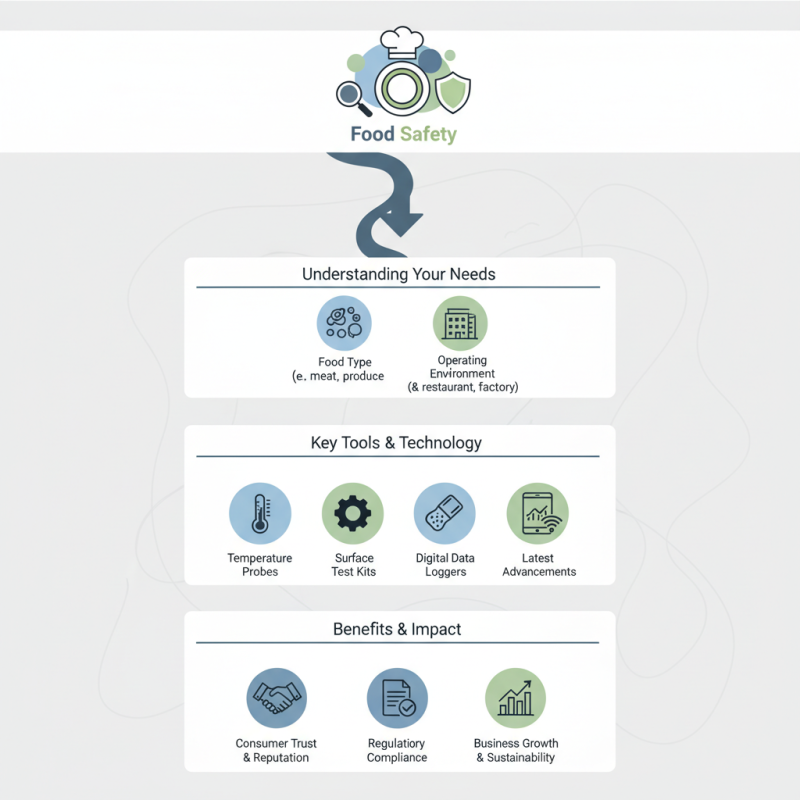
When running a business in the food industry, ensuring the highest standards of safety is paramount. Foodborne illnesses can have severe consequences, not only for consumers but also for the reputation and success of your establishment. To effectively manage and mitigate risks, investing in the right food safety inspection tools is crucial. These tools facilitate routine checks, help in identifying potential hazards, and ensure compliance with regulatory standards.

Choosing the best food safety inspection tools involves understanding the specific needs of your business, including the type of food products you serve and the environment in which you operate. From temperature probes to surface test kits, each tool serves a unique purpose and contributes to the overall safety protocol of your establishment. Moreover, staying updated with the latest technology and advancements in food safety can enhance the effectiveness of these tools, providing you with accurate and timely data to make informed decisions.

In an industry where safety cannot be compromised, making an informed choice about food safety inspection tools can safeguard your business and promote a culture of transparency and accountability. By prioritizing these tools, businesses not only protect their customers but also promote long-term success and sustainability in a competitive market.

How to Choose the Best Food Safety Inspection Tools for Your Business

Criteria for Selecting Food Safety Inspection Tools

How to Choose the Best Food Safety Inspection Tools for Your Business

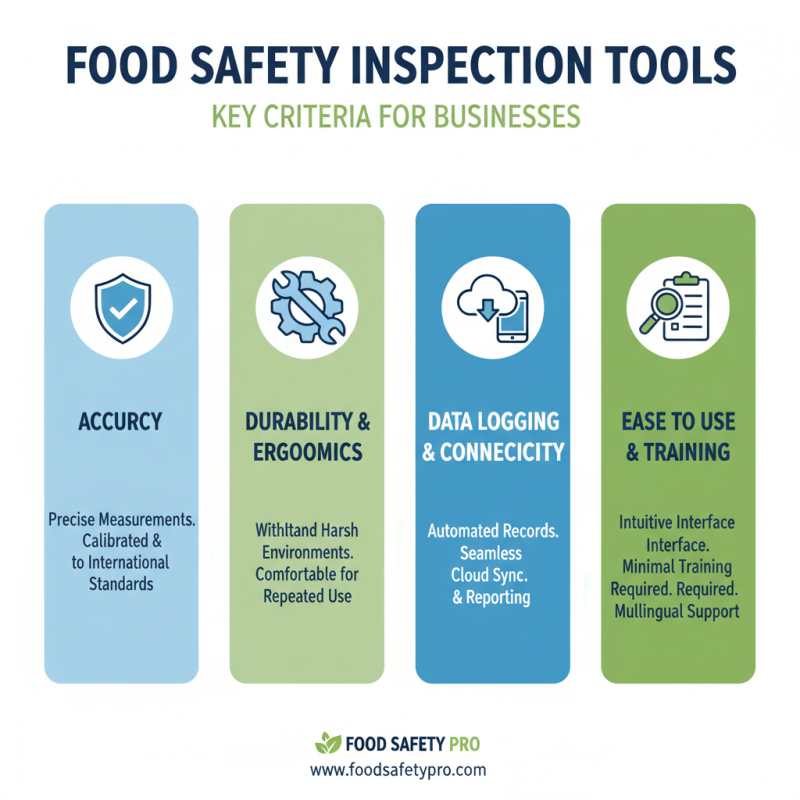
When selecting food safety inspection tools for your business, it's crucial to consider several key criteria that ensure compliance and effectiveness. First and foremost, accuracy is paramount. Tools must provide precise measurements and data, as even minor discrepancies can lead to health risks or legal liabilities. Look for tools that are calibrated and certified to international standards, ensuring consistent reliability in their readings.

Another vital criterion is ease of use. Inspection tools should be user-friendly, with clear interfaces and straightforward operational guidelines. This is particularly important for teams that may not have specialized training in food safety inspections. The ability to quickly and accurately gather data will not only streamline processes but also enhance the overall efficiency of your food safety program.

Lastly, consider the durability and maintenance requirements of the tools. Food safety inspection tools are often subjected to harsh conditions, from extreme temperatures to cleaning chemicals. Selecting high-quality, durable tools can reduce the frequency of replacements and repairs, ultimately saving costs. Additionally, assess the availability of support and training for maintenance, ensuring that your team can keep the tools in optimal condition over time. Such thoughtful selection criteria will help foster a robust food safety management system that protects both your business and your customers.

Types of Food Safety Inspection Tools Available in the Market

When it comes to ensuring food safety in your business, selecting the right inspection tools is crucial. Various types of tools are available in the market to assist in maintaining compliance with safety standards. One of the most common categories includes temperature monitoring devices, such as infrared thermometers and data loggers. These tools help monitor and record food temperatures, ensuring that perishable items are stored and handled correctly to prevent spoilage and foodborne illnesses.

Another essential category of food safety inspection tools includes surface testing kits. These kits enable businesses to test surfaces for cleanliness, measuring levels of ATP (adenosine triphosphate) to ensure effective sanitization. Additionally, pH meters and chlorine test strips can evaluate the acidity or sanitizing effectiveness of food products and cleaning solutions, respectively. By utilizing these various tools, businesses can identify potential risks and enhance their compliance with food safety regulations, thereby protecting both their customers and their reputation.

Food Safety Inspection Tools Comparison

This bar chart illustrates the popularity of various food safety inspection tools based on the number of users. The data indicates that thermometers are the most commonly used tool, followed by pH meters, hygrometers, sanitation test kits, and food scanners.

Evaluating the Reliability and Accuracy of Inspection Tools

How to Choose the Best Food Safety Inspection Tools for Your Business

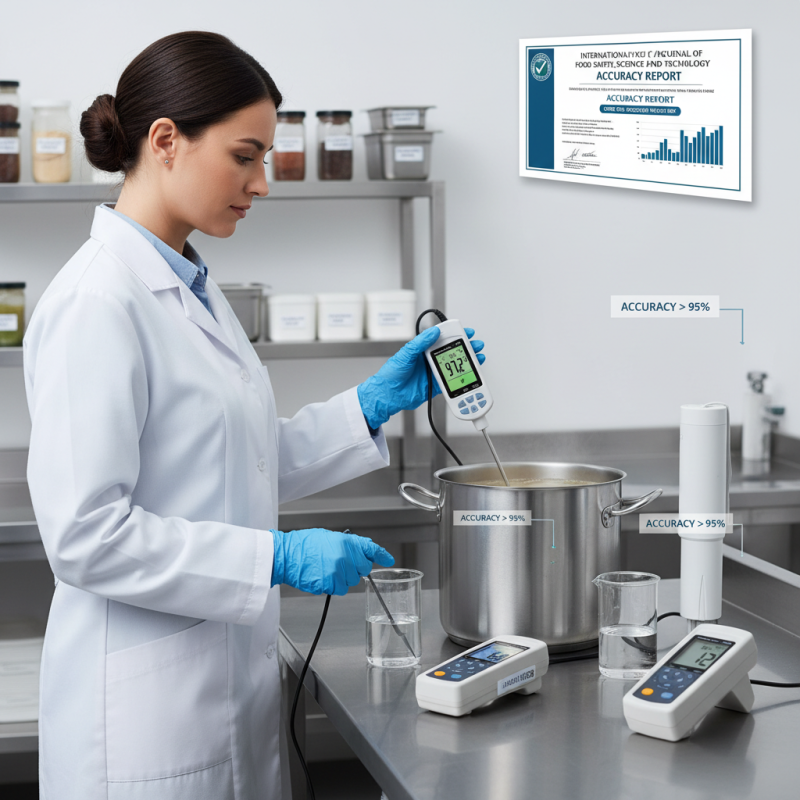
When selecting food safety inspection tools for your business, evaluating the reliability and accuracy of these instruments is crucial. According to a report by the International Journal of Food Safety, Science and Technology, tools with an accuracy rate of over 95% significantly reduce the risk of foodborne illnesses. This level of precision is essential for businesses aiming to comply with stringent food safety regulations. Regular calibration and validation of instruments can also enhance their reliability, ensuring consistent performance across inspections.

Tips: Always choose inspection tools that offer real-time data reporting, as this can help address issues immediately and improve the overall safety of your food products. Additionally, consider tools that provide user-friendly interfaces to minimize training time for staff.

Moreover, knowledge of inspection tool specifications plays a vital role. The Food and Drug Administration (FDA) indicates that equipment capable of detecting a wide range of contaminants—such as pathogens, allergens, and chemical residues—stands out in effectiveness. Leveraging advanced technology, such as portable spectrometers or rapid test kits, could lead to faster decisions and enhance food safety outcomes.

Tips: Invest in tools supported by third-party evaluations or certifications, which can provide an extra layer of assurance regarding their reliability and performance. Networking with industry peers can also yield insights into the most effective tools in the market today.

Integrating Technology in Food Safety Inspections

Integrating technology into food safety inspections has revolutionized how businesses ensure compliance and protect public health. According to a report by the Food Safety and Inspection Service (FSIS), approximately 48 million people in the U.S. fall ill from foodborne illnesses each year, underscoring the crucial need for effective inspection tools. Technologies such as digital checklists, mobile inspection apps, and data analytics platforms enable inspectors to conduct thorough evaluations more efficiently. These tools allow real-time data entry and can automate compliance tracking, significantly reducing human error and the time spent on paperwork.

Furthermore, utilizing advanced technologies enhances communication among food safety teams. A survey by the International Association for Food Protection indicated that organizations employing integrated technology solutions saw a 30% increase in the speed of addressing food safety concerns. Cloud-based systems enable immediate sharing of inspection results and necessary corrective actions, fostering a culture of transparency and proactive management. By leveraging these modern tools, businesses not only comply with regulatory standards but also promote consumer trust by demonstrating a commitment to public safety.

Training Staff on the Proper Use of Inspection Tools

Training staff on the proper use of food safety inspection tools is essential for ensuring compliance and promoting a culture of safety within your business. Start by providing comprehensive training sessions that cover the various types of inspection tools available and their specific applications. This includes explaining how to accurately read and interpret the results these tools provide, as well as the importance of regular calibration and maintenance to ensure their reliability. Engaging staff through hands-on practice can also enhance their understanding and increase their confidence in using these tools effectively.

Moreover, ongoing education should be a priority. Regular refresher courses can help staff stay updated on any new regulations, techniques, or improvements in inspection technology. Encourage team discussions about best practices and share experiences to foster a collaborative learning environment. By prioritizing the training and development of your employees, you empower them to take ownership of food safety processes, ultimately leading to better hygiene standards, reduced risks of contamination, and a more efficient inspection workflow. This commitment not only protects consumer health but also enhances your business's reputation and operational efficiency.

Any Questions? We Are Here for You

Contact Us

Contact Us

Request information

Ask us a question
Service Support

Service Support

Available 24 hours a day, 7 days a week.

Get in Touch
Find a representative

Find a representative

Contact your local representative

View Locations