Food Safety Insights

In Eagle’s Advanced Insights Blog, experts share their know-how by keeping you up-to-date with the latest trends to ensure your inspection equipment keeps your products safe. Eagle is an industry leader when it comes to performance and innovation, and we’ll share the news that’s important to you to enhance your quality assurance program.
Suggest topic you would like to see at:

sale@generalmachinery.org

Why Choose a Waste Heat Boiler for Your Industrial Needs?

In today's industrial landscape, efficiency is paramount. Companies are seeking innovative solutions to reduce energy costs and improve sustainability. A Waste heat boiler is an efficient choice for many industries. According to a report by the U.S. Department of Energy, recovering waste heat can boost energy efficiency by 20% to 50%.

Industries like steel and cement production are prime candidates for waste heat recovery. These sectors generate significant amounts of excess heat. By employing a waste heat boiler, organizations can convert this energy into useful steam or electricity. This not only lowers operational costs but also reduces greenhouse gas emissions, making it an environmentally friendly option.

However, the implementation of waste heat boilers can be complex. Each facility must consider its unique energy profile and operational requirements. While the benefits are clear, there can be challenges in the design and integration of such systems. Organizations must evaluate their commitment to energy recovery. Is a waste heat boiler the right investment for your operations? Exploring these questions is critical for successful implementation.

Why Choose a Waste Heat Boiler for Your Industrial Needs?

Understanding the Functionality of Waste Heat Boilers in Industry

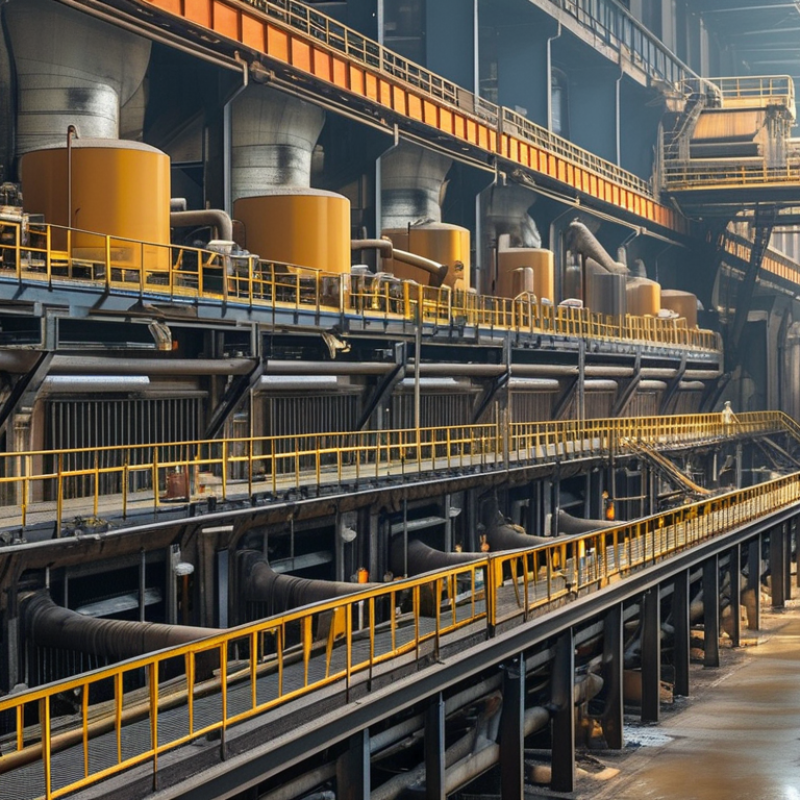
Waste heat boilers are essential in modern industrial operations. They capture excess heat generated during processes, which would otherwise be wasted. This thermal energy can be reused for heating purposes or to generate electricity. By integrating waste heat boilers, industries can significantly reduce their energy consumption and environmental footprint.

The functionality of waste heat boilers hinges on their design and efficiency. They often employ economizers or heat exchangers to maximize heat recovery. Different industries adapt these systems based on their unique requirements. Sometimes, performance may not meet expectations due to improper sizing or operational issues. Regular maintenance is crucial to ensure they operate at optimum levels, preventing energy losses.

Understanding the role of waste heat boilers leads to smarter energy management. They offer a reliable method to improve efficiency. However, industry-specific challenges exist. For instance, fluctuating process temperatures can affect performance. Addressing these challenges requires expertise and ongoing evaluation to maximize the benefits of waste heat recovery systems.

Key Advantages of Waste Heat Recovery Systems for Industrial Use

In today's industrial landscape, energy efficiency is paramount. Waste heat recovery systems emerge as a solution to maximize resource use. They capture heat that would otherwise be lost. This process transforms surplus energy into usable power. As a result, businesses can significantly reduce operational costs.

Implementing a waste heat boiler can lead to remarkable rewards. Industries often waste massive amounts of heat. Recovery systems can recycle this heat, enhancing overall productivity. For example, industries can repurpose this energy for water heating or power generation. Such integration can improve system efficiency, influencing profit margins positively.

Despite the benefits, challenges exist. Initial setup costs may deter companies from making the switch. However, the long-term savings often outweigh these costs. Furthermore, organizations must regularly maintain these systems. Neglect can lead to inefficiencies and reduced performance. Reflecting on these factors fosters informed decision-making in energy management.

Key Advantages of Waste Heat Recovery Systems for Industrial Use

Cost-Efficiency and Energy Savings with Waste Heat Boilers

Waste heat boilers are becoming a vital part of industrial operations. They capture excess thermal energy generated during production processes. This captured energy can be reused, significantly reducing operational costs. According to the U.S. Department of Energy, waste heat recovery can yield energy savings of up to 50%. This not only lowers fuel costs but also enhances energy efficiency across the board.

Implementing waste heat recovery systems is crucial for industries facing rising energy prices. A study by the International Energy Agency showed that recovering just 20% of a facility's waste heat could result in substantial financial benefits. Many facilities are not yet fully exploiting this potential, indicating a need for reevaluation. Simple installations can enable businesses to reallocate resources, ultimately leading to long-term sustainability.

Beyond financial advantages, waste heat boilers foster reliability. They ensure continuous operation, lessening dependency on external fuel sources. However, organizations often overlook maintenance. Regular inspections are essential to maintain efficiency. With ongoing improvements in technology, understanding and adopting these systems will only become easier. Industries must reflect on their current setups and consider how they can integrate waste heat solutions effectively.

Applications of Waste Heat Boilers Across Various Industries

Waste heat boilers play a vital role in various industries by utilizing excess heat. In the chemical sector, for instance, they recover energy from chemical processes, which can improve efficiency by up to 20%. This recovery enables companies to redirect heat back into the system, reducing energy costs effectively.

In the power generation industry, waste heat boilers are essential. They can convert waste heat from turbines into steam, achieving an increase in overall energy efficiency. According to a recent report, industries can save approximately 10-15% of their total energy consumption through the implementation of these systems. However, the initial investment in waste heat boilers can be high, which raises concerns about their immediate economic viability for some businesses.

The metal processing sector also benefits significantly from waste heat recovery. Steel and aluminum production processes generate substantial waste heat. Capturing this heat not only conserves energy but also reduces emissions. However, integrating waste heat boilers into existing systems can pose technical challenges. Companies must evaluate their specific needs to ensure optimal deployment of these technologies.

Factors to Consider When Selecting a Waste Heat Boiler for Your Facility

When selecting a waste heat boiler, several factors come into play. Understanding your specific industrial processes is crucial. Identify where heat energy is lost. Is it from flue gas, cooling water, or other sources? This knowledge helps in choosing the right type of boiler. The boiler's efficiency directly impacts your facility's energy savings.

Size and capacity are significant considerations. A boiler that is too small will not meet your needs. Conversely, an oversized unit leads to inefficiencies. Assess your facility's heat recovery potential. This includes estimating operational hours and the temperature of exhaust gases. These details can influence your decision.

Reliability is also key. Investigate the boiler's construction materials. High-quality components ensure longevity and reduce maintenance costs. A waste heat boiler should have a proven track record. Yet, even the best systems may face challenges. Be prepared to adapt your processes over time. This approach will enhance performance and efficiency in the long run.

Why Choose a Waste Heat Boiler for Your Industrial Needs? - Factors to Consider When Selecting a Waste Heat Boiler for Your Facility

Factor Description Benefits
Efficiency The ability of the boiler to convert waste heat into usable energy. Reduces fuel consumption and operational costs.
Size and Capacity The physical size and thermal output capacity required for the facility. Ensures proper integration with existing systems and meets energy needs.
Material Quality The construction and durability of materials used in the boiler. Increases longevity and reduces maintenance costs.
Operating Temperature The maximum temperature the boiler can operate efficiently. Optimizes heat recovery processes and improves performance.
Regulatory Compliance Adherence to local and national emission standards and regulations. Avoids legal issues and enhances environmental stewardship.
Cost Initial investment, operating costs, and return on investment analysis. Ensures financial viability and justifies expenditure.
Maintenance Requirements Frequency and complexity of required maintenance tasks. Minimizes downtime and enhances operational efficiency.

Any Questions? We Are Here for You

Contact Us

Contact Us

Request information

Ask us a question
Service Support

Service Support

Available 24 hours a day, 7 days a week.

Get in Touch
Find a representative

Find a representative

Contact your local representative

View Locations