Food Safety Insights

In Eagle’s Advanced Insights Blog, experts share their know-how by keeping you up-to-date with the latest trends to ensure your inspection equipment keeps your products safe. Eagle is an industry leader when it comes to performance and innovation, and we’ll share the news that’s important to you to enhance your quality assurance program.
Suggest topic you would like to see at:

sale@generalmachinery.org

How to Choose the Best Fruit Vegetable Processing Machinery?

Choosing the right fruit vegetable processing machinery is crucial for any food business. The efficiency and quality of your production depend heavily on this choice. Not all machinery is created equal. Factors such as capacity, durability, and ease of use should guide your decisions.

When assessing options, consider your specific needs. Smaller operations may require compact machines, while larger producers might need more extensive systems. Research different brands and their reputations in the industry. Look for user reviews to gauge reliability and performance. It's essential to find equipment that aligns with your production goals.

Investing in quality machinery can save time and resources. However, it’s also important to remain open to feedback from operators. Understanding potential drawbacks can lead to better choices. Remember, each investment not only impacts the immediate process but shapes long-term success.

How to Choose the Best Fruit Vegetable Processing Machinery?

Understanding Different Types of Fruit and Vegetable Processing Machinery

When selecting fruit and vegetable processing machinery, it’s essential to understand the specific types available. Many options exist, each suited for different tasks. For example, slicing machines are ideal for creating uniform cuts and enhancing presentation. They can efficiently process various vegetables and fruit. Another type is the juicing machine, which maximizes liquid extraction while minimizing waste. These machines work best with soft fruits like oranges and berries.

In addition to slicing and juicing, there are peeling and washing machines. Peeling machines save time and labor, especially for bulk processing. Washing machines ensure that fruits and vegetables are clean from dirt and pesticides, which is crucial for food safety. As you explore these options, consider your space and workload requirements.

It's also wise to reflect on the technology in use. Some machines offer automation features, while others require manual input. Balancing efficiency and ease of use is essential. Regular maintenance is necessary, which some users may overlook. Keeping equipment in good condition prevents costly breakdowns, enhancing the longevity of your investment. Understanding these details helps in making an informed decision.

Evaluating Key Features and Specifications of Processing Equipment

When selecting fruit and vegetable processing machinery, evaluating key features is vital. First, consider efficiency. Industry reports suggest that high-capacity machines can reduce processing time by up to 40%. A machine's throughput can impact operational costs significantly. This means understanding how much product can be processed in an hour, which varies widely depending on the equipment type.

Another essential factor is versatility. Many processors need to handle various fruits and vegetables. Machines with adjustable settings often save time and money. Check for equipment that accommodates different sizes and shapes. Durability matters too. Machines made from high-grade stainless steel typically last longer, reducing maintenance costs. Some sources report that equipment failure can lead to losses of over 15% in production time annually.

Safety features should not be overlooked. Proper guarding and automatic shut-off systems protect operators. However, reports highlight that many processing facilities still lack adequate safety measures. This gap can reflect weaknesses in choosing machinery. Balancing efficiency, versatility, and safety can guide your choice in the ever-evolving landscape of food processing technology.

Assessing the Production Capacity and Efficiency of Machinery

When choosing fruit and vegetable processing machinery, production capacity and efficiency are crucial. Understanding the output rate of machinery can help meet market demands effectively. Evaluate how much produce the machinery can handle per hour. A machine with higher throughput may seem ideal, but consider the quality of processing too.

Efficiency goes beyond just speed. Look at how the machine uses energy and resources. Poor efficiency can inflate costs. Regular maintenance and staff training are critical for optimal performance. Ensure that the machinery can adapt to different types of produce, as versatility enhances productivity.

Pay attention to any limitations of the machinery. A machine that works well for one type of fruit may not be effective for others. It's important to reflect on these aspects during the selection process. Balancing capacity and efficiency takes time and research. Ultimately, the goal is to find a machine that meets specific operational needs without compromising quality or increasing waste.

Considering Maintenance and Support Options for Processing Equipment

When choosing fruit and vegetable processing machinery, considering maintenance and support options is crucial. Equipment requires regular upkeep to operate efficiently. A good maintenance plan reduces unexpected breakdowns. It also prolongs the lifespan of your machinery. Ensure the manufacturer offers comprehensive support services. Check if they provide training for your staff. This can help prevent common operational issues.

Keep in mind that even top-quality equipment can malfunction. Accidents happen, and downtime can be costly. Look for suppliers that offer quick response times. They should be able to provide parts and service at a moment’s notice. Documentation on maintenance procedures should be clear and accessible. This enables your team to perform routine checks with ease.

Evaluating these options may reveal hidden challenges. Some equipment may seem easy to maintain but can require complex procedures. Be cautious about equipment that lacks reliable support networks. This could lead to frustration and increased costs over time. Having a robust maintenance and support strategy can make all the difference in your processing operations.

Fruit and Vegetable Processing Machinery: Maintenance and Support Options

Budgeting for Initial Investment and Long-Term Operating Costs

How to Choose the Best Fruit Vegetable Processing Machinery?

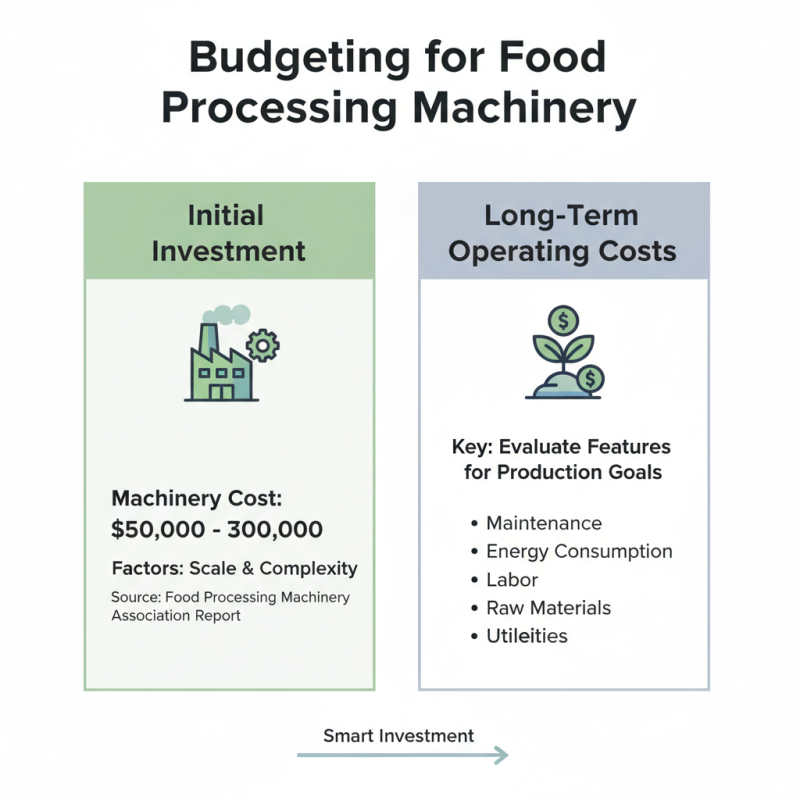
When investing in fruit and vegetable processing machinery, budgeting for initial and long-term costs is key. A report from the Food Processing Machinery Association indicates that the initial investment can range from $50,000 to $300,000, depending on the scale and complexity of the machinery. It's crucial to evaluate features that align with your production goals.

Operating costs can be equally significant. Routine maintenance, labor, and energy costs should be considered. Data suggests yearly operating costs can reach up to 30% of the initial investment. For instance, if your machinery costs $100,000, expect about $30,000 annually for maintenance and utilities. Be prepared for unexpected breakdowns, which can inflate these costs.

Tips: Invest in machinery with high energy efficiency ratings. This can lead to significant savings over time. Also, consider training staff adequately to minimize operational errors. Remember, quality equipment will reduce downtime and enhance productivity. Balancing performance and expenditure requires careful planning.

Any Questions? We Are Here for You

Contact Us

Contact Us

Request information

Ask us a question
Service Support

Service Support

Available 24 hours a day, 7 days a week.

Get in Touch
Find a representative

Find a representative

Contact your local representative

View Locations