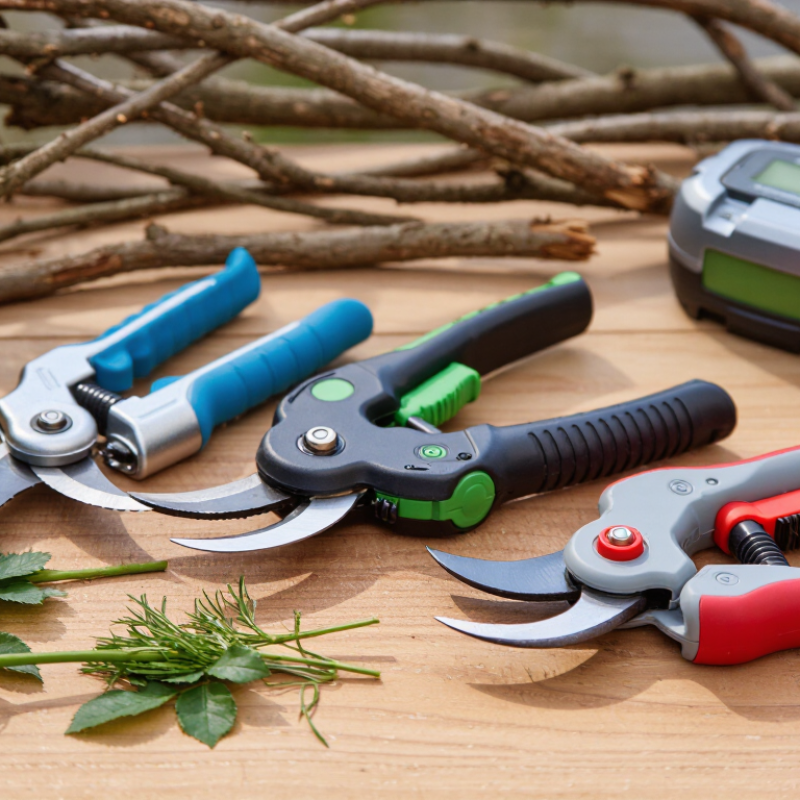
| Small garden, balcony, or a few container plants; occasional trimming of flowers and soft stems | About 10–15 mm for light, fresh growth | Lightweight design, comfortable grip, simple controls, and a battery suited to short sessions | Entry-level models may be sufficient when use is occasional and branches are thin | Check the tool’s stated maximum cutting diameter and whether it applies to fresh or dry wood |
| Mixed home garden with shrubs, roses, and routine seasonal pruning | About 15–25 mm, depending on wood type and tool design | Good balance, replaceable or serviceable blades, safety lock, and a battery with enough runtime for the workload | Mid-range options can offer a practical balance of comfort, battery capacity, and durability | Compare the complete kit contents, including battery, charger, blade cover, and any carrying case |
| Large garden or frequent pruning of many shrubs and fruit trees | Choose a rated capacity that covers the branches you actually cut; thicker or harder wood may require more effort | Higher usable battery capacity, comfortable handling over longer sessions, spare battery availability, and accessible replacement blades | A higher initial cost may be worthwhile if it reduces downtime or supports frequent use | Look for clear runtime information and check whether replacement batteries and blades are readily available |
| Vines, soft stems, and repeated precision cuts | Often 10–20 mm is adequate; match the rating to the thickest stems in the garden | Clean cutting action, a narrow blade profile for access, and a trigger or control that feels easy to operate repeatedly | A compact model may be more useful than paying for a larger cutting capacity you rarely need | Test grip comfort if possible, especially if you have smaller hands or plan extended pruning sessions |
| Pruning tougher, woody branches | Use the manufacturer’s stated limit as a guide, not a guarantee for every wood type | Sturdy blades, overload protection, suitable battery output, and a design intended for woody growth | Consider whether a pruning saw or loppers would be safer and more suitable for branches beyond the tool’s rating | Do not force the blades through oversized branches; follow the manual’s limits and care instructions |
| Any garden where portability and low fatigue matter | Base capacity on your plants, then compare tool weight and balance | Comfortable grip, manageable total weight with the battery fitted, and a secure safety mechanism | Compare the price of the bare tool with the price of a kit; a bare tool is useful only if you already have a compatible battery system | Check the listed weight with the battery included, not just the tool-only weight |

.svg)