Food Safety Insights

In Eagle’s Advanced Insights Blog, experts share their know-how by keeping you up-to-date with the latest trends to ensure your inspection equipment keeps your products safe. Eagle is an industry leader when it comes to performance and innovation, and we’ll share the news that’s important to you to enhance your quality assurance program.
Suggest topic you would like to see at:

sale@generalmachinery.org

How to Choose the Best Food Inspection Machine for Your Needs?

Choosing the best food inspection machine is crucial for any food business. The global food inspection market was valued at approximately $10.5 billion in 2022 and is projected to grow significantly. This growth underscores the importance of effective food safety measures. A reliable food inspection machine can minimize risks and enhance product quality.

However, selecting the right machine can be challenging. With various technologies available, understanding your specific requirements is vital. Data from industry reports indicate that nearly 50% of food recalls are linked to contamination. This highlights the need for effective inspection systems.

Consider key features such as sensitivity, speed, and ease of use. It’s essential to assess your production scale and type of food products. Some machines may excel in detecting certain contaminants but may lack versatility. A thorough evaluation of your needs will lead to better decision-making. Remember, investing in the right food inspection machine can safeguard your brand's reputation and ensure consumer safety.

How to Choose the Best Food Inspection Machine for Your Needs?

Understanding the Importance of Food Inspection Machines

Food inspection machines play a vital role in ensuring safety and quality in the food industry. These machines help detect contaminants and ensure that products meet safety standards. When properly utilized, they can reduce health risks significantly. Inaccurate inspections can lead to severe consequences, such as foodborne illnesses. Therefore, understanding their importance cannot be overstated.

Selecting the right food inspection machine requires careful consideration of several factors. Assess what type of contaminants you need to detect, such as metal, glass, or plastic. Consider the size of the products being inspected. Different machines work better with different sizes. Regular maintenance is crucial for accuracy. Inadequate upkeep can result in false readings, leaving dangerous items undetected. It's important to reflect on how often inspections occur and if the current machine meets those demands. Operators must be trained properly to avoid human error during inspections. Without skilled personnel, even the best machines can underperform.

How to Choose the Best Food Inspection Machine for Your Needs?

Understanding the Importance of Food Inspection Machines

Inspection Method Advantages Limitations Ideal For
Metal Detection Effective for identifying metal contaminants Cannot detect non-metallic contaminants Canned goods, bakery items
X-ray Inspection Can detect a wide variety of contaminants Higher initial cost Packaged foods, pharmaceuticals
Vision Systems Checks for packaging and labeling issues Limited to visual inspections Bottling lines, consumer packaged goods
Weight Sorting Ensures product consistency May not detect all foreign materials Snacks, frozen foods
Checkweighing Helps comply with regulations Requires regular calibration Bulk products, co-packing

Key Factors to Consider When Choosing a Food Inspection Machine

When choosing a food inspection machine, several key factors require attention. Reliability should be high on your list. Machines need to operate consistently, catching all contaminants. Downtime can lead to significant losses. Your inspection machine should also be easy to maintain. Regular maintenance can help prevent unexpected failures.

Tip: Consider machines with self-diagnostic features. This can simplify troubleshooting and maintenance.

Accuracy is another crucial factor. Look for systems that provide detailed inspection reports. These reports help you track trends and identify potential issues. Ensuring high accuracy directly impacts food safety and quality.

Tip: Evaluate the sensitivity of the machine. A unit that can detect smaller contaminants may be more effective.

Lastly, assess the machine's adaptability. Food production lines vary widely, and your equipment should integrate seamlessly. Machines that can easily adjust settings for different products are valuable. Reflect on your production process. A misalignment here can lead to inefficiencies.

Tip: Get feedback from operators. They can highlight practical challenges based on their daily experiences.

Types of Food Inspection Machines and Their Applications

How to Choose the Best Food Inspection Machine for Your Needs?

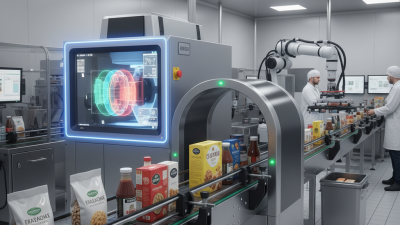
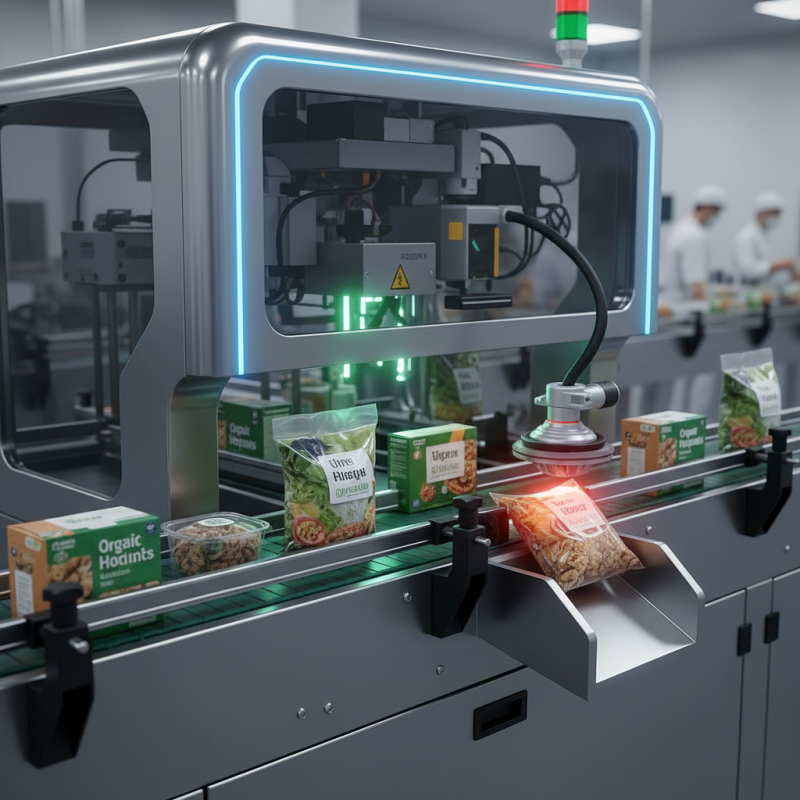
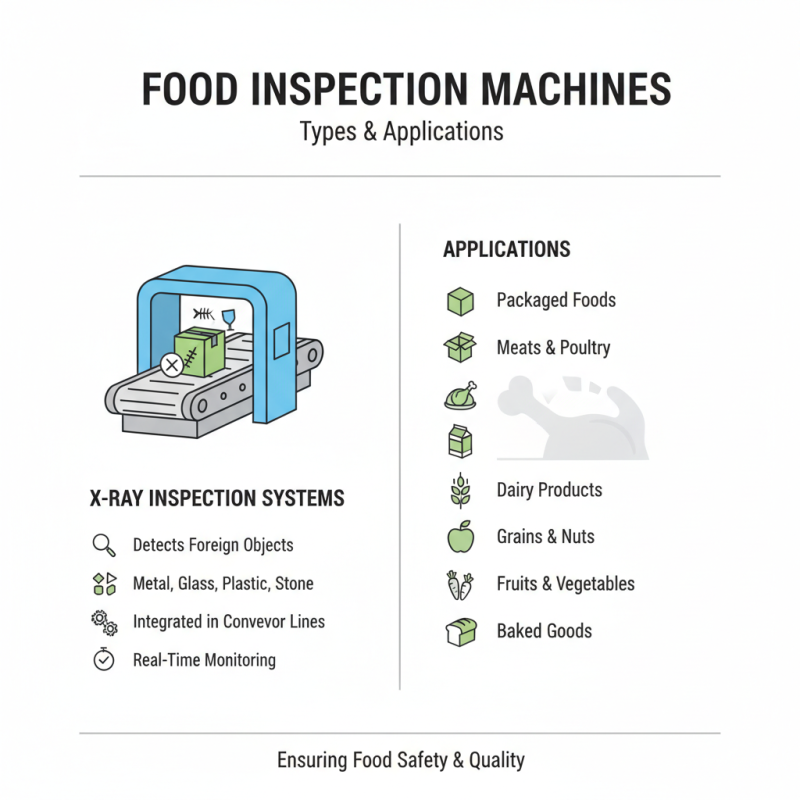
When selecting a food inspection machine, it’s crucial to understand the different types available. X-ray inspection systems are widely used in food production. They detect foreign objects like metal, glass, and plastic. These machines are often integrated into conveyor lines. They provide real-time monitoring, ensuring product safety.

Metal detectors are another popular choice. They are effective for identifying metal contaminants. Many industries rely on these systems for quality control. However, they might not detect non-metallic contaminants. This limitation can lead to potential safety issues. Understanding your needs is vital here.

Moreover, vision inspection systems are used to check packaging integrity. They analyze seal quality, label placement, and even fill levels. Mistakes can lead to waste and customer dissatisfaction. While these machines provide high accuracy, they may require maintenance. Balancing performance and maintenance needs is essential for longevity.

Evaluating the Cost-Effectiveness of Food Inspection Solutions

When considering food inspection solutions, cost-effectiveness is crucial. Various studies reveal that brands often overlook the initial investment needed for inspection machines. A report by the Food Safety Consortium indicates that companies can save up to 30% on recalls by implementing reliable inspection technology. This data underscores the financial risks of inadequate inspections, especially when even a single defect can result in significant losses.

While the upfront costs may seem high, evaluating the long-term savings is essential. A well-chosen food inspection machine can exceed its price in value. For example, a study from the International Journal of Food Safety projected that automation in inspections could improve productivity by 25%, thereby reducing labor costs and errors. However, it's important to consider that not all machines will suit every production line. Some may require excessive maintenance, leading to unanticipated costs. This imbalance can affect overall profitability.

Investments fluctuate based on technology used. For instance, advanced X-ray systems may offer detailed analysis but come with a steep price tag. In contrast, simpler methods may yield satisfactory results but lack the thoroughness needed for certain products. Companies should conduct a comprehensive assessment of their needs. Regular performance evaluations are necessary to ensure the machines meet specific standards. By aligning technology with actual requirements, businesses can achieve not only compliance but also operational efficiency.

Best Practices for Implementing Food Inspection Technology in Operations

Implementing food inspection technology effectively requires careful planning and execution. According to a recent industry report, over 70% of food safety breaches can be traced back to inadequate inspection processes. This statistic emphasizes the need to invest in reliable inspection machines that meet specific operational requirements.

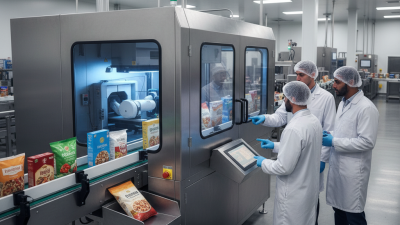
When integrating inspection technology, it’s crucial to train staff thoroughly. Many organizations overlook the importance of personnel training during technology deployment. A survey revealed that lack of knowledge among staff can lead to improper machine use, resulting in increased error rates. Regular training sessions can bridge this gap and ensure optimal performance of the machines. It's also beneficial to develop a feedback loop, where employees can report challenges or suggest improvements.

Additionally, consider scalability when choosing technology. A system that works today might not meet future demands. The industry’s rapid changes can affect product safety requirements. Organizations should constantly reassess their equipment and processes. Questions about ease of maintenance and compatibility with existing systems are critical. Companies often underestimate the time needed for full integration of new technology. A proactive approach will save time and resources in the long run.

Food Inspection Machine Effectiveness by Technology Type

Any Questions? We Are Here for You

Contact Us

Contact Us

Request information

Ask us a question
Service Support

Service Support

Available 24 hours a day, 7 days a week.

Get in Touch
Find a representative

Find a representative

Contact your local representative

View Locations