Food Safety Insights

In Eagle’s Advanced Insights Blog, experts share their know-how by keeping you up-to-date with the latest trends to ensure your inspection equipment keeps your products safe. Eagle is an industry leader when it comes to performance and innovation, and we’ll share the news that’s important to you to enhance your quality assurance program.

Suggest topic you would like to see at:

sale@generalmachinery.org

How to Choose the Best Plastic Take Out Food Container

Choosing the right Plastic Take Out Food Container is not simply a matter of selecting the cheapest size. The container must protect food, preserve presentation, support safe handling, and match the restaurant’s daily workflow. A hot noodle dish needs different performance from a cold salad or a sauce-heavy meal. Lid security matters, too. One small leak can stain a delivery bag and damage customer trust.

Dr. Gordon L. Robertson, a respected food packaging scholar, described packaging as “the art, science, and technology of enclosing and protecting products for distribution, storage, sale, and use.” His statement gives this topic a practical foundation. A useful container should fit the food, tolerate its temperature, and remain stable during transport. It should also offer enough clarity for customers to see freshness without creating unnecessary material use. Details matter.

There is no perfect option. Sometimes, a stronger container costs more than expected. Sometimes, a lightweight design bends when filled with hot food. These weaknesses deserve honest consideration. Operators should test containers with real portions, real sauces, and realistic delivery times. Check the lid after shaking a packed meal gently. Examine condensation, stacking strength, and customer opening experience. Do not rely only on supplier photographs.

This guide explains how to compare materials, sizes, shapes, closures, and sustainability claims. It also considers storage space, purchasing consistency, and staff efficiency. The best Plastic Take Out Food Container is not merely attractive. It performs reliably when the kitchen is busy and the order is already on its way.

How to Choose the Best Plastic Take Out Food Container

Define the Purpose and Serving Requirements

How to Choose the Best Plastic Take Out Food Container

Define the Purpose and Serving Requirements

Start with the meal, not the container. A soup serving needs a leak-resistant body, secure lid, and enough headspace for transport. Fried food needs ventilation, or the crust quickly becomes soft. Rice, salads, and desserts require different depths and compartment layouts. I have seen operators choose one universal size, then struggle with spills and poor presentation.

Serving size also affects food waste. The U.S. Environmental Protection Agency’s 2018 Wasted Food Report estimated 35.4 million tons of wasted food in the United States. Accurate portions can reduce leftovers before they become waste. USDA FoodKeeper guidance recommends using refrigerated leftovers within three to four days. Therefore, containers should support quick cooling, clear portion control, and safe storage. Bigger is not always better.

Tips: Match container volume to the actual serving. Leave space for sauces and movement. Test one filled container before ordering thousands. Check lid fit after stacking. For hot foods, follow the FDA Food Code 2022 guidance: hold hot food at 135°F or above, and cold food at 41°F or below. Confirm that the material suits the food temperature and intended use. Some choices look efficient but fail after repeated handling. That detail deserves honest review.

Compare Plastic Types, Safety Standards, and Heat Resistance

Choosing a plastic takeout container starts with the food, not the appearance. Polypropylene, or PP, usually handles hot meals better than many alternatives. It is commonly used for soups, curries, and reheating applications. However, heat resistance varies by thickness, shape, and manufacturing quality. Always check the supplier’s temperature range and microwave guidance.

PET works well for cold salads, fruit, and chilled drinks, but it may soften or deform with high heat. Polystyrene is lightweight and useful for some cold foods, yet it is generally unsuitable for hot contents. HDPE offers good chemical resistance and durability, though its heat performance depends on the specific formulation. A food-contact symbol alone is not enough. Ask for migration-testing records and documentation showing compliance with recognized food-safety standards.

During a practical inspection, fill a sample with hot food and check the rim, base, and lid after several minutes. Look for warping, leaks, strong odors, or a lid that loses its seal. Small details matter. A container that feels rigid when empty may bend under hot, oily food. I once underestimated how quickly steam could weaken a thin lid. That mistake reinforced the need to test real serving conditions, not only empty samples. Storage temperature, repeated heating, and acidic sauces should also be included in evaluation records.

How to Choose the Best Plastic Take Out Food Container - Compare Plastic Types, Safety Standards, and Heat Resistance

Plastic Type Resin Code Typical Food Container Uses Approximate Continuous Use Temperature Microwave Suitability Freezer Suitability Key Advantages Important Limitations Best Choice For
Polypropylene (PP) 5 Hot meals, soups, sauces, reusable meal-prep containers Approximately 100–120°C (212–248°F), depending on design and grade Generally suitable when specifically labeled microwave-safe; vent the lid Generally suitable; check for brittleness and the manufacturer's temperature rating Good heat resistance, low density, good fatigue resistance, and strong resistance to many chemicals Can warp if exposed to temperatures above its rating; not every PP container is microwave-safe The most versatile option for hot takeout and reheating
High-Density Polyethylene (HDPE) 2 Cold food tubs, dairy containers, bottles, and food storage containers Approximately 80–100°C (176–212°F), depending on grade and wall thickness Usually not preferred for microwave heating unless expressly labeled microwave-safe Generally suitable for cold and frozen storage; allow room for food expansion Tough, lightweight, moisture-resistant, and resistant to many acids and alkalis Lower heat resistance than PP; may deform when filled with very hot food Cold takeout, chilled foods, and freezer storage
Polyethylene Terephthalate (PET) 1 Cold salads, fruit, desserts, drinks, and clear display containers Typically below approximately 60–70°C (140–158°F) for standard containers Not recommended unless the specific container is clearly labeled for microwave use Generally suitable for chilled or frozen foods when designed for that purpose Excellent clarity, good stiffness, and effective moisture and gas barrier properties Can deform with hot food; heat may increase the risk of container distortion and migration concerns Cold food, chilled beverages, and presentation-focused packaging
Polystyrene (PS) 6 Cold foods, bakery items, disposable trays, and rigid food service containers Approximately 60–75°C (140–167°F), depending on form and grade Not recommended for microwave heating Suitable for some cold applications, but performance varies by container design Low cost, lightweight, and easy to form; rigid PS provides good presentation Poor heat resistance; brittle at low temperatures; recycling availability is limited in many areas Short-term cold-food service where reheating is not required
Expanded Polystyrene (EPS) 6 Insulated cups, clamshells, and containers for short-term hot or cold food service Generally below approximately 80°C (176°F); exact limits vary significantly Not suitable for microwave heating Can be used for cold foods, but structural performance varies Very lightweight and provides thermal insulation Low structural strength, poor heat tolerance, high volume in waste streams, and limited recycling access Insulated short-distance service when reheating is unnecessary and local rules permit its use
Polylactic Acid (PLA) 7 or varies Cold salads, fruit, desserts, and cold beverages in designated compostable packaging systems Typically below approximately 45–55°C (113–131°F) unless heat-resistant modified PLA is used Not suitable for microwave heating unless specifically labeled for it May be suitable for cold or frozen food, subject to the product specification Can be made from renewable feedstocks and may be compostable in suitable industrial facilities Softens at relatively low temperatures; industrial composting is required for many PLA products Cold-food service where compatible commercial composting infrastructure exists
Crystallized PET (CPET) 1 Ovenable ready meals, frozen meals, and heat-and-eat food trays Approximately 180–220°C (356–428°F) for products specifically designed and labeled for oven use May be suitable when the specific product is labeled microwave-safe Generally suitable for frozen-food applications when specified by the manufacturer High heat resistance, dimensional stability, and suitability for certain ovenable applications More specialized and usually less clear than standard PET; temperature limits are product-specific Heat-and-eat meals requiring validated oven or microwave performance

Selection and Safety Notes

  • Temperature ranges are general material guidance, not universal guarantees. Always follow the container manufacturer's stated limits for hot-fill, microwave, oven, freezer, and dishwasher use.
  • Choose food-contact packaging that complies with applicable food-contact regulations, such as the requirements of the relevant national or regional authority.
  • A recycling resin code identifies the plastic type; it does not by itself confirm microwave safety, recyclability in a particular location, or suitability for hot food.
  • Do not microwave containers that are damaged, heavily scratched, warped, or not explicitly labeled for microwave use. Loosen or vent sealed lids before reheating.
  • For hot takeout and reheating, PP is generally the most practical general-purpose choice; for cold food, PET or HDPE may be more appropriate; for ovenable meals, use only validated CPET or another specifically rated material.

Choose the Right Container Size, Shape, and Closure

How to Choose the Best Plastic Take Out Food Container

Choosing the right container starts with portion size. A small 12-ounce container suits sauces, side dishes, and children’s meals. Larger 24- to 32-ounce containers fit noodles, salads, and generous rice portions. Leave some headspace for steam and movement. Overfilling can force the lid open during delivery. I once selected a container by volume alone. The meal fit, but the sauce spread across the lid.

Shape affects both presentation and transport. Rectangular containers stack neatly and use shelf space efficiently. Round containers work well for soups and foods that need stirring. A shallow base helps customers see the meal clearly. Deep containers protect taller foods, but they can hide toppings and make serving awkward. Match the shape to the food, not only to storage needs. Small details matter.

Closure design deserves careful testing. Snap lids should close evenly around every corner. Hinged lids save time, while separate lids may offer better flexibility. For liquid foods, press the center and edges before moving the container. Turn one filled sample upside down over a sink. This test is simple, but it exposes weak seals. Check the material and temperature information before using hot or chilled foods. Requirements can differ by region and food-contact application. My own trial-and-error still misses things, so staff feedback and repeated leak checks remain valuable.

Evaluate Leak Protection, Durability, and Food Presentation

How to Choose the Best Plastic Take Out Food Container

When choosing a take out container, leak protection deserves careful attention. Test it with soup, sauce, and oily dishes before regular use. Fill the container, close the lid firmly, and tilt it over a sink. A secure seal should prevent drips around the corners and lid edge. However, some lids fit tightly only when the container is completely level. That small weakness can create a messy delivery.

Durability also affects customer experience. Press the base gently and check whether it bends too easily. Thin plastic may collapse under stacked meals or heavy portions. Heat can make weak containers softer, especially with freshly cooked food. I once selected a lightweight container to reduce storage space. It saved room but warped under a hot curry. That mistake changed my testing process. Now, I check the container after heating, stacking, and carrying it several times.

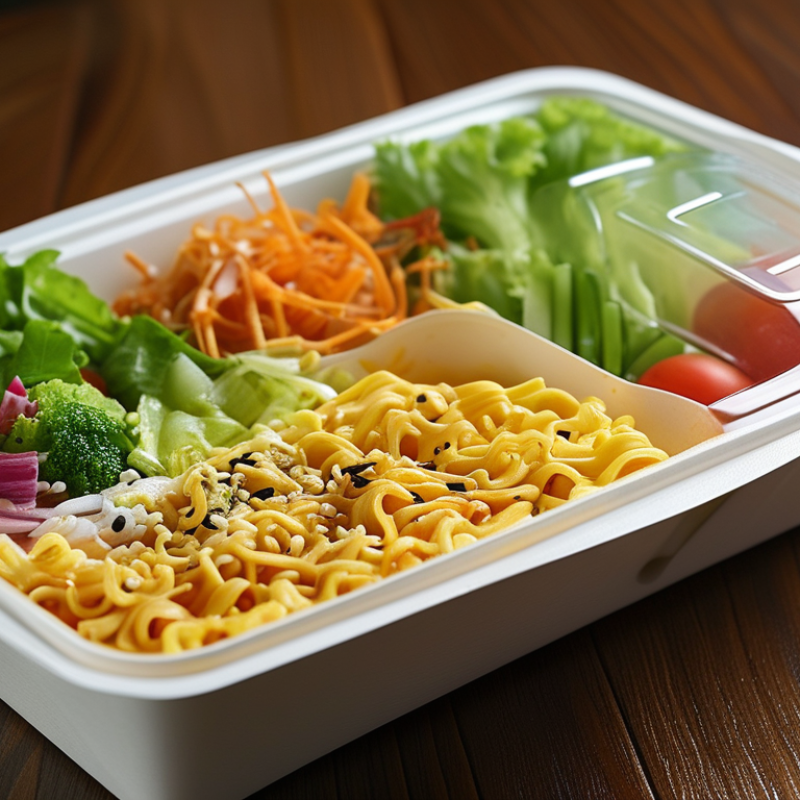
Food presentation should remain clear and attractive. Transparent walls help customers see colorful vegetables, layered rice, or carefully arranged toppings. Choose a shape that supports the meal instead of crushing it. Leave enough headspace for sauces and movement. Tips: Test filled containers during a short delivery simulation. Check for leaks, lid distortion, and shifting food. Compare appearance after thirty minutes, not only at packing time. A container that looks perfect at first may disappoint later.

Balance Cost, Sustainability, and Purchasing Needs

Choosing the best plastic take out food container requires more than comparing unit prices. It requires a clear view of cost, sustainability, and purchasing needs. The OECD reported 353 million tonnes of plastic waste globally in 2019. Packaging represented about 40% of that volume. Only 9% was recycled. These figures make material selection a purchasing decision, not just a packaging decision.

Tips: Compare total cost per serving. Include lids, delivery, storage space, and waste handling. Check the container’s weight, leak resistance, temperature range, and stacking strength. A lighter container may reduce shipping emissions. However, it may fail with hot soup. Test real meals before placing a large order. Ask suppliers for food-contact documentation and clear recycling guidance. Vague claims deserve questions.

A practical buyer should match design with menu and service style. A clear container supports visual merchandising. A vented lid can protect fried food from becoming soggy. A sturdy base reduces spills during delivery. The Ellen MacArthur Foundation estimates that packaging represents about 40% of global plastic use. Reducing unnecessary material can therefore have meaningful impact. Still, “compostable” or “recyclable” does not guarantee local processing. Infrastructure differs widely. I would not choose a sustainable-looking option without checking actual disposal routes. Procurement teams should record breakage, leakage, customer feedback, and disposal outcomes. The first choice may be wrong. That is useful data.

How to Choose the Best Plastic Take Out Food Container

Material selection should balance food temperature, product performance, cost, and end-of-life options. Polypropylene generally offers the highest heat tolerance and is suitable for hot meals or reheating. HDPE is durable for cold foods, PET provides clarity for chilled products, and polystyrene is typically used for lightweight, low-cost cold-food applications.

Typical maximum service temperatures shown are approximate engineering benchmarks for commonly used food-contact grades. Always confirm the supplier’s specification, microwave suitability, local recycling acceptance, and required container volume before purchasing.

Any Questions? We Are Here for You

Contact Us

Contact Us

Request information

Ask us a question
Service Support

Service Support

Available 24 hours a day, 7 days a week.

Get in Touch
Find a representative

Find a representative

Contact your local representative

View Locations