Food Safety Insights

In Eagle’s Advanced Insights Blog, experts share their know-how by keeping you up-to-date with the latest trends to ensure your inspection equipment keeps your products safe. Eagle is an industry leader when it comes to performance and innovation, and we’ll share the news that’s important to you to enhance your quality assurance program.

Suggest topic you would like to see at:

sale@generalmachinery.org

What Is a Custom Reflective Vest Used For?

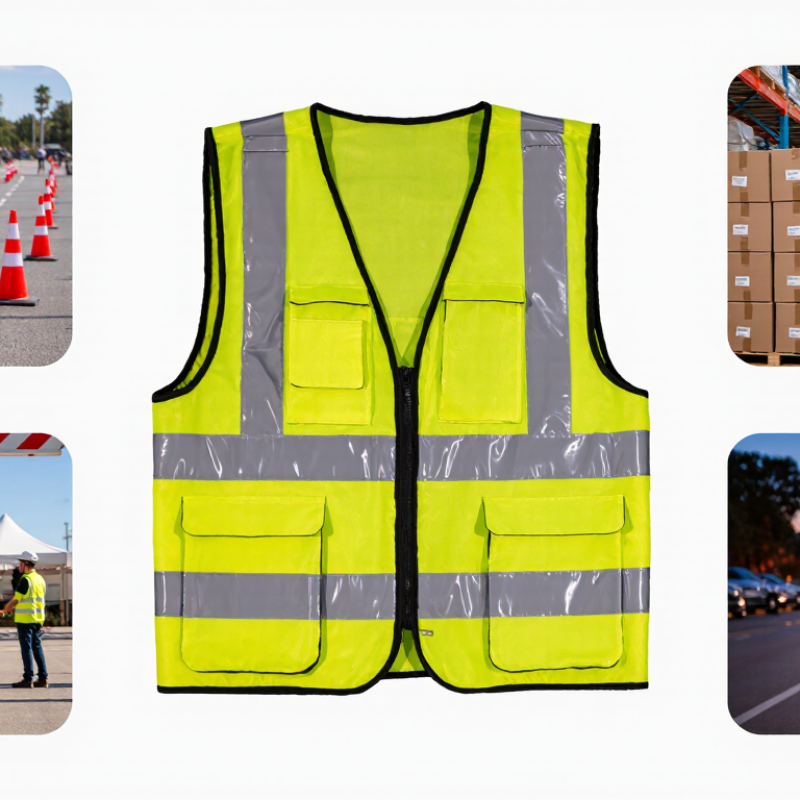
A Custom Reflective Vest helps make a person easier to notice in busy, low-visibility settings. Road crews, warehouse teams, event staff, and cyclists may wear one when people, vehicles, or equipment move nearby. Bright fabric catches attention during the day. Reflective bands return light toward its source, such as vehicle headlights after dusk. That difference matters. A vest can also display a name, role, company logo, or team label, helping others identify the wearer quickly. But visibility is not the same as protection from every hazard.

Choosing a vest starts with its actual use. A worker near loading bays may need a different fit and pocket layout than a volunteer directing visitors outdoors. Consider the background color, reflective-band placement, fastening style, and whether the vest fits comfortably over other clothing. Small details count. A loose vest can snag; a tight one may restrict movement. Custom printing should remain readable and should not cover important reflective areas. I have seen practical designs look good on a screen yet become hard to read once folded or worn beneath a jacket. It is an easy detail to overlook.

Material quality, care instructions, and visibility in the intended environment deserve attention before ordering. Reflective performance can vary with fabric, wear, dirt, and lighting conditions. A vest also cannot replace careful work practices, suitable lighting, or other task-specific equipment. That is worth remembering. This guide explains common uses, customization choices, and factors to check when selecting a Custom Reflective Vest. The best option is usually the one people will wear consistently, not merely the one with the boldest design.

What Is a Custom Reflective Vest Used For?

What Defines a Custom Reflective Vest?

A custom reflective vest is defined by more than a printed name or color. It combines a wearable base, reflective elements, and design choices suited to a particular task. The reflective strips return light toward its source, helping a person stand out when vehicle headlights or work lights reach them. They do not produce light themselves. That distinction matters.

Customization can include strip layout, vest color, pocket placement, closures, sizing, and printed identification. A warehouse worker may need pockets that hold a scanner without blocking reflective areas. A road crew member may need broad, visible bands across the torso and shoulders. Fit matters too. A vest that hangs loosely can snag, while one worn over a winter coat should still allow easy movement. The details are practical.

Material quality is part of the definition. Stitching should hold the strips securely, and the fabric should tolerate the expected wear and cleaning routine. Printing across reflective panels may reduce the surface available to catch light, so placement deserves careful review. Even a well-designed vest cannot guarantee visibility in heavy rain, deep shadow, or crowded surroundings. That limitation is easy to overlook. Before choosing a design, compare samples under the lighting and clothing conditions where the vest will actually be worn.

How Do Reflective Materials Improve Visibility?

What Is a Custom Reflective Vest Used For?

How Do Reflective Materials Improve Visibility?

Reflective materials help a vest stand out by returning light toward its source, such as vehicle headlights. This retroreflection can make a worker easier to notice after dark, while fluorescent fabric helps them contrast with surroundings in daylight. Custom placement matters: broad bands across the torso and shoulders can outline a person’s shape as they move. A vest is not a light source, though, and it cannot guarantee that others will see the wearer.

The risk is real. The National Highway Traffic Safety Administration’s 2022 Traffic Safety Facts reported 7,522 pedestrian deaths in the United States; 76% occurred in dark conditions. For road crews, warehouse staff, cyclists, or event teams, a custom vest can make roles and movement easier to recognize. Performance still depends on clean, intact reflective strips, suitable fit, and lighting conditions. Mud, folds, or a backpack covering the bands can reduce the visible reflective area. Small details count.

Tips: Choose a vest with reflective bands visible from several angles. Check that they sit flat and remain uncovered during work. Replace damaged or peeling material. And remember: visibility gear supports safe practices; it does not replace them.

What Is a Custom Reflective Vest Used For? - How Do Reflective Materials Improve Visibility?

Use Case Typical Customization Reflective Material and Placement How It Improves Visibility Practical Considerations
Road and utility work Role labels, identification panels, pocket layout, and adjustable sizing Retroreflective tape arranged around the torso, often with vertical sections over the shoulders Returns light from vehicle headlights toward the source, helping drivers notice the wearer in low-light conditions. Choose a vest appropriate to the work environment and applicable local safety requirements. Keep reflective areas visible and unobstructed.
Construction and site maintenance Department markings, radio or tool pockets, and fit options for layering Retroreflective bands combined with a high-visibility fluorescent background fabric Fluorescent fabric helps the wearer stand out in daylight and some low-light conditions; retroreflective material is most useful when illuminated by a light source. Check that the vest fits securely over required clothing and that pockets or added panels do not cover key reflective sections.
Warehouse and logistics operations Team or job-function markings, identification areas, and practical pocket placement Reflective strips on the torso, with fluorescent fabric selected to contrast with the work area Helps coworkers and equipment operators distinguish a person from the background, especially in dim aisles or loading areas. Consider the site's lighting, background colors, and laundering routine when selecting fabric and garment construction.
Roadside assistance and emergency response Clear role identification, closure style, and storage for small work essentials Broad retroreflective sections positioned to remain visible from multiple directions Headlights and other directed light can make the reflective sections appear bright to approaching road users. Use the vest as part of a broader safety plan; visibility clothing does not replace safe positioning, traffic controls, or required protective equipment.
Cycling, walking, and event support Lightweight fit, size range, event or staff identification, and simple closures Reflective details on the front, back, and sides, paired with a contrasting background color Provides conspicuity in changing light and can reflect vehicle headlights after dark when the wearer is in their path. For night use, placement and visibility from different angles matter. Keep the garment clean and replace it if reflective areas are badly worn or damaged.
Outdoor inspection and field work Weather-appropriate fabric, secure closures, and pockets suited to field tasks Retroreflective tape on the torso and shoulders; fluorescent fabric where daylight contrast is needed Combines daytime contrast from fluorescent material with light-returning performance from retroreflective material. Confirm that the garment is suitable for the weather and activity. A vest's visibility can be reduced by dirt, folds, wear, or items worn over it.

Key distinction: Fluorescent materials increase contrast in daylight by converting some ultraviolet light into visible light. Retroreflective materials redirect incident light back toward its source, making them especially useful when illuminated by headlights or work lights. Actual performance depends on the garment design, condition, fit, lighting, and applicable safety standards.

Which Jobs and Activities Use Custom Reflective Vests?

Construction crews, road maintenance teams, and utility workers wear custom reflective vests near moving vehicles or equipment. Bright colors and reflective strips help make workers easier to notice in daylight and under headlights. A crew name or role can also help supervisors identify people on a busy site. Visibility matters.

Warehouse staff may wear them around forklifts, loading bays, and delivery areas. Event stewards, parking attendants, and airport ground crews use vests to stand out while guiding people or vehicles. Cyclists, runners, and walking groups may choose reflective vests for low-light routes, especially where street lighting is limited. Fit matters too.

The right vest depends on the task, weather, and other protective clothing. A loose vest can snag, while a vest hidden beneath a jacket loses much of its visibility. It is easy to assume reflective material solves every visibility problem; it does not. Workers still need clear sightlines, suitable lighting, and the safety procedures required for their setting. A vest should complement those measures, not replace them.

What Can Be Customized on a Reflective Vest?

A reflective vest can be customized to suit the wearer’s tasks, clothing, and work environment. Choose a high-visibility base color, such as fluorescent yellow or orange, then decide where reflective bands should sit. Bands across the chest and around the waist are common; shoulder strips can help keep the wearer’s outline visible when viewed from different angles. Placement matters. A backpack or tool belt may cover poorly positioned bands, so check the vest with the equipment actually worn on site.

Other options include vest length, sizing, closure type, pockets, and printed text. A front zipper is quick to fasten, while hook-and-loop closures allow easier adjustment over layers. Pockets can hold small items, but bulky contents may pull the fabric out of shape. Small details count. Names, job roles, or department labels can make teams easier to identify, provided they do not cover reflective material. Before ordering a large quantity, review a sample for fit, seam quality, and tape visibility in dim light. Custom features alone do not guarantee suitable performance; match the finished vest to the conditions and requirements where it will be worn.

How Should You Choose and Care for a Custom Reflective Vest?

Choosing a custom reflective vest starts with its actual work setting. A warehouse crew may need lightweight mesh, while outdoor workers may prefer a durable fabric with pockets. Check that the vest fits over expected layers without restricting arm movement. Too loose, and it may snag; too tight, and staff may leave it unzipped. Small details matter.

Look closely at reflective bands, stitching, and closure quality. Bands should remain visible when the wearer bends or turns, not just when standing straight. Add only the identification details workers need, and keep them clear of reflective areas. Bright colors can help in daylight, but visibility still depends on weather, lighting, and background. A vest has limits.

Care affects performance. Follow the garment’s care label, close fasteners before washing, and avoid harsh chemicals or high heat unless the instructions permit them. Let the vest dry fully before storage. Inspect it regularly for peeling bands, torn seams, or faded fabric. Replace damaged vests; a quick repair may not restore reliable visibility. One easy-to-miss point: custom printing can cover useful reflective space, so check the finished layout before ordering.

What Is a Custom Reflective Vest Used For—and How Do You Choose and Care for One?

How to read the chart: ANSI/ISEA 107-2020 specifies minimum areas of high-visibility background material and retroreflective material for these garment classes. Class 1 is intended for lower-risk settings; Class 2 and Class 3 provide progressively greater visibility for higher-risk work. Choose a vest based on the work environment, applicable safety rules, and the required garment class. Custom graphics should not obscure required materials.

Care: Follow the garment’s care label. Inspect it regularly for damage, soiling, or faded and peeling reflective material, and replace it when visibility or required performance is compromised.

Minimum material areas shown in square metres. Source: ANSI/ISEA 107-2020. Check applicable local requirements and the garment’s certification.

Any Questions? We Are Here for You

Contact Us

Contact Us

Request information

Ask us a question
Service Support

Service Support

Available 24 hours a day, 7 days a week.

Get in Touch
Find a representative

Find a representative

Contact your local representative

View Locations