Food Safety Insights

In Eagle’s Advanced Insights Blog, experts share their know-how by keeping you up-to-date with the latest trends to ensure your inspection equipment keeps your products safe. Eagle is an industry leader when it comes to performance and innovation, and we’ll share the news that’s important to you to enhance your quality assurance program.
Suggest topic you would like to see at:

sale@generalmachinery.org

10 Essential Tips for Using Food X Ray Inspection Equipment Effectively

In the food industry, ensuring product safety is paramount. Food x ray inspection equipment plays a crucial role in identifying contaminants. This technology helps businesses maintain high standards. However, effective use of this equipment requires understanding and skill.

Many users may overlook key aspects of operation. Proper calibration is essential for accurate results. Regular maintenance can prevent malfunctions. Users must also be aware of product variations that can affect scanning.

Employing food x ray inspection equipment without proper training can lead to errors. Operators might miss critical defects or interpret data incorrectly. Continuous training and awareness are necessary for effective use. Reflection on operational practices is essential for improvement. Embracing these tips can enhance safety and efficiency in food production.

10 Essential Tips for Using Food X Ray Inspection Equipment Effectively

Understanding the Basics of Food X-Ray Inspection Equipment

Food X-ray inspection equipment plays a crucial role in modern food safety. It helps detect foreign objects such as glass, metal, and plastic in packaged foods. The global food X-ray inspection market is projected to reach USD 300 million by 2025, reflecting its increasing importance.

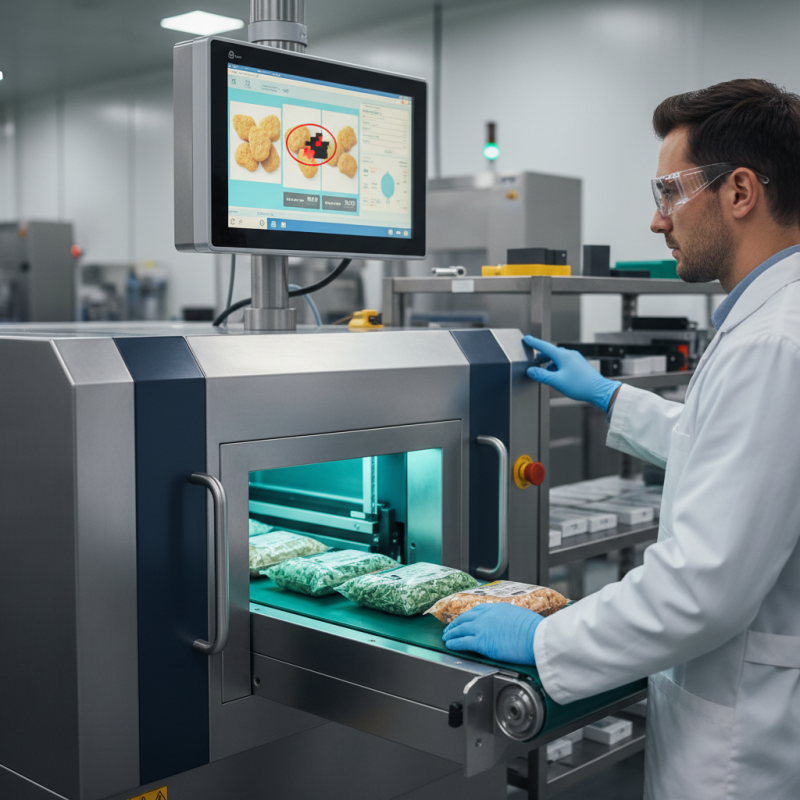
Understanding how this equipment works is vital for effective usage. X-rays penetrate food packaging and generate images showing product contents. These images highlight any irregularities. Each inspection can vary based on food density and packaging types. For example, denser materials can obscure the image. Regular maintenance and calibration are necessary to ensure optimal performance.

Training staff on interpreting X-ray images is essential. Incorrect analysis can lead to missed contaminants. The average false rejection rate for X-ray systems is around 2-6%. It is a reminder that technology, while advanced, is not infallible. Even with frequent checks, some issues may go unnoticed. Attention to detail during inspections can help minimize these risks.

Choosing the Right Food X-Ray Inspection System for Your Needs

10 Essential Tips for Using Food X Ray Inspection Equipment Effectively

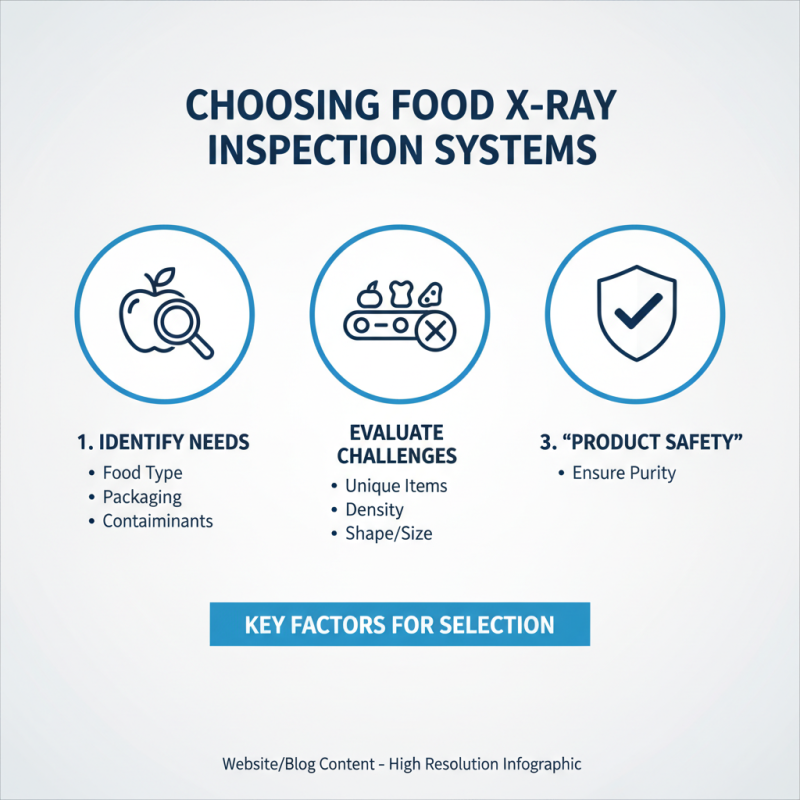
Choosing the right food X-ray inspection system is crucial to ensure product safety. Start by identifying your specific needs. Consider factors such as the type of food, packaging materials, and potential contaminants. Each food item presents unique challenges, so thorough evaluation is essential.

For example, delicate items like baked goods require sensitive detection capabilities. Conversely, denser products, like meats, might need more powerful systems. Pay attention to the size and shape of your products too. A custom solution may perform better than a one-size-fits-all approach. It’s vital to understand these variables to avoid unexpected issues during inspections.

Don’t overlook the importance of user training. Even the best equipment can fail without proper operation. Regular staff training can enhance the effectiveness of your X-ray system. However, it's important to also assess training needs continuously. What worked last year may not suffice today. Adapting to changes is vital for maintaining high safety standards.

Key Maintenance Practices for Longevity of X-Ray Equipment

Maintaining food X-ray inspection equipment is crucial for operational longevity. Regular cleaning is a fundamental practice. Dirt and debris can compromise image quality. Schedule routine inspections to check for wear and tear. A keen eye can spot issues before they escalate.

Calibration should not be overlooked. Accurate readings are essential for effective inspections. Neglecting this can lead to costly mistakes. Replace parts as needed, but do not rush this process. Each component needs careful handling during replacements.

Training staff on proper use is vital. Even minor mishandling can cause significant damage. Encourage a culture of responsibility and mindfulness. Mistakes happen, but learning from them is what drives improvement. Maintenance logs are also important. They provide transparency and accountability for equipment history. Regular reviews of these logs can uncover patterns needing attention.

Interpreting X-Ray Images: Tips for Accurate Analysis

Interpreting X-ray images is a skill that requires practice. It's essential to develop a systematic approach to analysis. Start by familiarizing yourself with the common anomalies. Each product may present unique challenges. Understanding these variations can aid in accurate detection.

One useful tip is to adjust the contrast settings of the X-ray machine. Sometimes, the images may appear too dark or too light. A simple adjustment can reveal hidden details. Look for foreign objects or inconsistencies in product density. This can significantly improve your analysis accuracy.

Moreover, always document your findings. Keeping a detailed record helps track patterns over time. It allows for better decision-making and can highlight recurring issues. Collaboration with your team is crucial. Sharing insights often leads to more comprehensive analysis. Continuous learning and adaptation are key in this field, as technology and food products evolve. Mistakes are part of the process; reflect on them to enhance your skills.

Training Staff for Optimal Use of Food X-Ray Inspection Technology

Training staff to use food X-ray inspection technology is crucial for maintaining high safety standards. Many employees may feel intimidated by complex equipment. Providing hands-on training can bridge this gap. Interactive sessions allow them to learn by doing. The more comfortable they are, the more effective the inspections will be.

Additionally, regular refresher courses are important. Technology evolves quickly, and staff need to stay updated. Short training modules can be easily integrated into their schedules. Using real-life examples can enhance understanding. Discussing past mistakes encourages reflection on best practices. Creating a culture of continuous learning, rather than just one-off training, is vital for maximizing equipment efficiency.

Feedback should be a part of the training process. Open discussions about challenges faced during inspections can lead to improvements. Some operators might overlook specific settings, leading to issues. Regular team meetings can address common problems. Encourage staff to share their experiences. This not only builds confidence but fosters a team-oriented approach to quality control.

Any Questions? We Are Here for You

Contact Us

Contact Us

Request information

Ask us a question
Service Support

Service Support

Available 24 hours a day, 7 days a week.

Get in Touch
Find a representative

Find a representative

Contact your local representative

View Locations