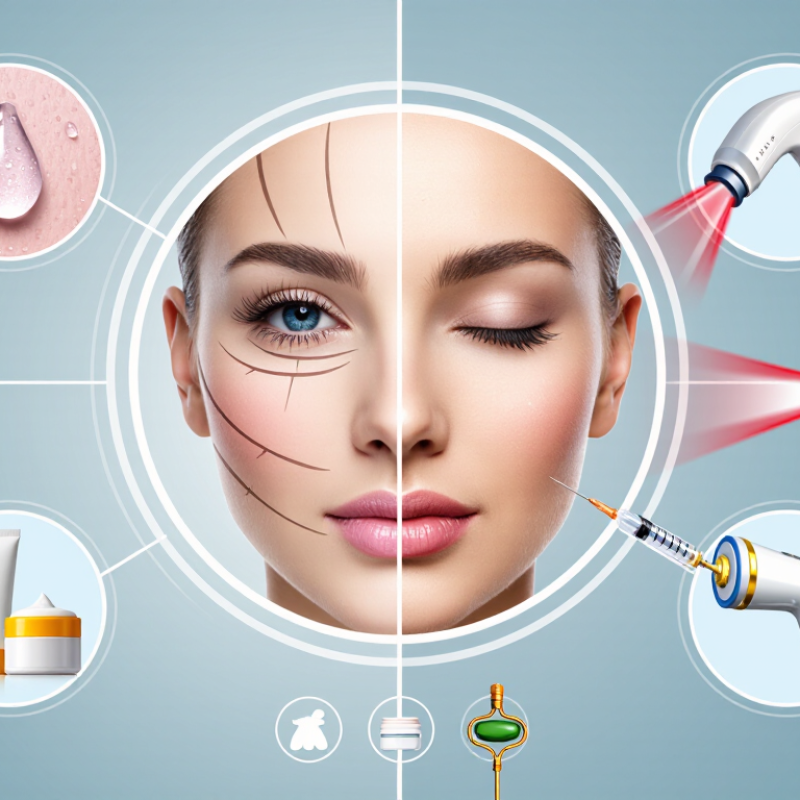
Fine line reduction describes treatments that soften visible creases without promising perfectly smooth skin.
Options may include resurfacing, microneedling, chemical exfoliation, or carefully selected injectables. Each method carries different risks, so a qualified medical professional should assess your skin, medical history, medications, and treatment goals first. A proper consultation should explain the device or product, expected downtime, and possible alternatives.
Safety depends on technique and timing. Temporary redness, swelling, dryness, or sensitivity can occur. Less common problems include infection, prolonged discoloration, burns, or scarring. People with active skin infections, poor wound healing, or certain medical conditions may need to postpone treatment. Darker skin tones may require extra planning because pigment changes can last longer. Results also have limits. Fine lines may soften, but deep folds, sun damage, and repeated facial movement will not disappear completely. It is easy to expect more than the treatment can deliver.
Aftercare is part of the result. Cleanse gently, avoid picking, and use a broad-spectrum sunscreen when your clinician permits it. Pause strong acids, retinoids, waxing, and intense heat until the skin barrier recovers. Keep workouts and swimming limited if irritation remains. A typical recovery may show tightness and light peeling, which can feel alarming but is not always dangerous. Increasing pain, spreading redness, pus, fever, or vision changes need prompt medical attention. I would rather allow extra healing time than return to aggressive products too soon.

.svg)