Food Safety Insights

In Eagle’s Advanced Insights Blog, experts share their know-how by keeping you up-to-date with the latest trends to ensure your inspection equipment keeps your products safe. Eagle is an industry leader when it comes to performance and innovation, and we’ll share the news that’s important to you to enhance your quality assurance program.
Suggest topic you would like to see at:

sale@generalmachinery.org

Top 10 Food Inspection Equipment for Ensuring Safety and Quality

In the contemporary landscape of food safety, ensuring the quality and safety of food products has become a crucial priority for manufacturers and regulatory bodies alike. According to the Food and Drug Administration (FDA), approximately 48 million people in the United States fall ill each year due to foodborne illnesses, highlighting the urgent need for robust food inspection processes. The implementation of innovative food inspection equipment plays a pivotal role in mitigating these risks by enabling thorough evaluations of food products as they move through the supply chain.

Recent market research indicates that the global food inspection equipment market is projected to reach USD 25 billion by 2026, driven by the increasing demand for quality control and compliance with stringent food safety regulations. This surge in the market underscores the importance of utilizing advanced technologies, such as X-ray inspection systems and metal detectors, which provide critical support in identifying contaminants and ensuring product integrity. As the food industry continues to evolve, the adoption of state-of-the-art food inspection equipment not only enhances safety but also helps build consumer trust and brand reputation.

Top 10 Food Inspection Equipment for Ensuring Safety and Quality

Top 10 Food Inspection Equipment: An Overview of Essential Tools

Top 10 Food Inspection Equipment for Ensuring Safety and Quality

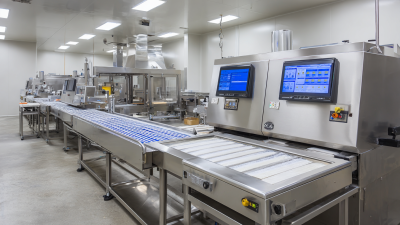
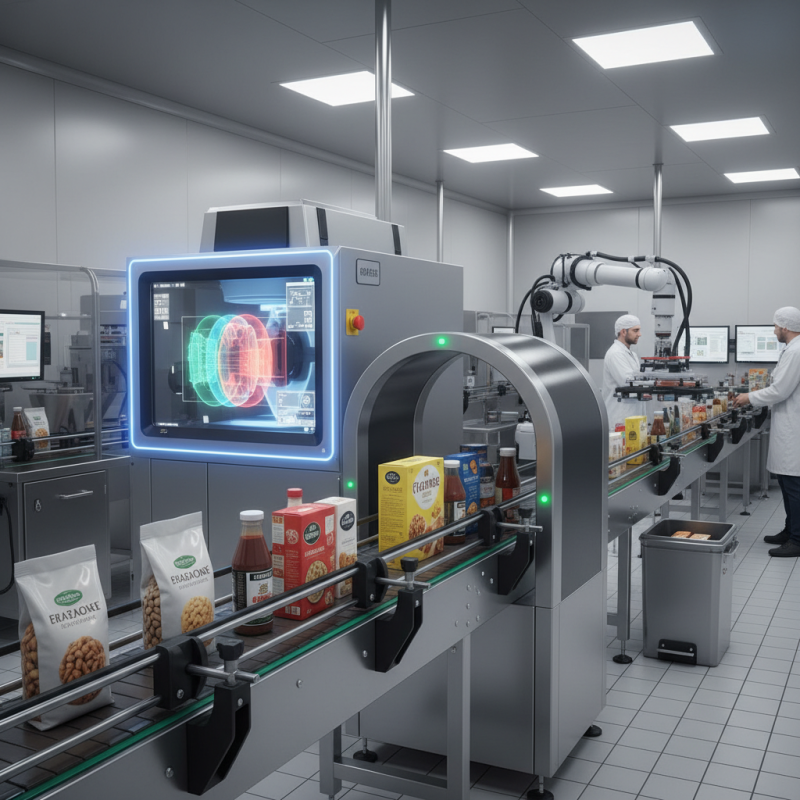
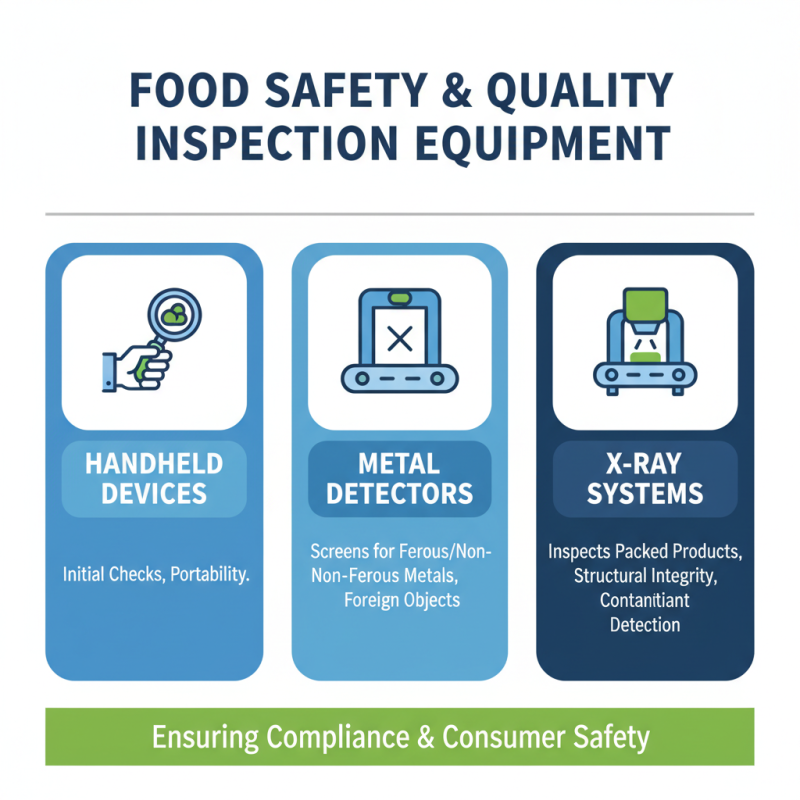
When it comes to ensuring food safety and quality, having the right inspection equipment is crucial. Food inspection tools range from simple handheld devices to sophisticated systems designed to detect contaminants and ensure compliance with safety standards. Essential tools include metal detectors that screen for foreign objects, as well as x-ray machines that inspect packed products for structural integrity and potential hazards.

Additionally, moisture analyzers play a key role in assessing food quality by measuring moisture content, which can affect shelf life and safety. Another vital piece of equipment is the pasteurization tester, which ensures that food products have undergone proper heating processes to eliminate harmful microorganisms. Together, these tools form a robust framework for maintaining high standards in food production, helping manufacturers uphold consumer trust through rigorous quality control measures.

Key Features of Food Inspection Equipment for Safety and Quality Control

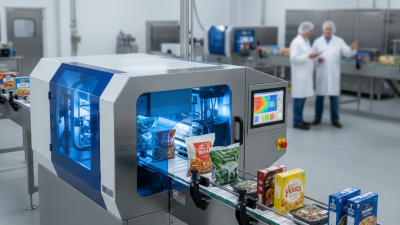
When it comes to ensuring safety and quality in the food industry, the right inspection equipment plays a crucial role. One of the key features of such equipment is its ability to detect contaminants. Advanced technologies like X-ray and metal detection systems can identify foreign objects in food products, ranging from metal shards to plastic fragments. These systems not only safeguard consumers but also help businesses avoid costly recalls and legal issues.

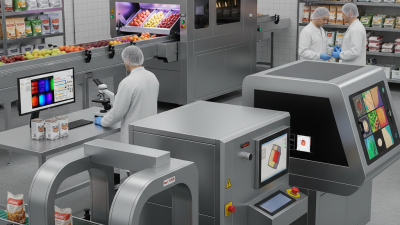
Another critical aspect is the ability to analyze product quality. Equipment like near-infrared (NIR) spectroscopy offers insights into the chemical composition of food items, allowing manufacturers to monitor moisture content, fat levels, and nutritional values directly on the production line. Additionally, inline inspection systems can continuously monitor the manufacturing process, ensuring adherence to safety standards without slowing down throughput. Collectively, these features contribute significantly to maintaining the integrity and quality of food products, fostering consumer trust in a highly regulated industry.

Industry Standards and Regulations for Food Inspection Equipment

The food inspection equipment landscape is shaped by stringent industry standards and regulations that ensure the safety and quality of food products. With the Food Safety Modernization Act (FSMA) highlighting the critical need for effective food inspection, the industry has seen an increase in both the use of advanced technologies and the necessity for regular audits. As foodborne illnesses affect millions in the U.S. annually, the inspection framework becomes essential in maintaining consumer trust and public health.

In response to the growing food truck industry and the expanding market for food inspection devices, which is projected to reach $5.08 billion by 2030, adhering to compliance standards is more crucial than ever. Regulatory bodies provide detailed checklists and guidelines for various food service operations, including food trucks, ensuring they meet health standards while utilizing innovative inspection methods such as X-ray technology. This evolution in inspection equipment not only enhances safety protocols but also aligns production practices with robust quality assurance measures in the food supply chain.

Top 10 Food Inspection Equipment for Ensuring Safety and Quality

Equipment Purpose Industry Standards Key Features
Digital Thermometer Measures food temperature FDA, USDA Fast readings, accuracy ±0.5°C
pH Meter Tests acidity or alkalinity AOAC Digital display, quick calibration
Colorimeter Analyzes food color ISO 11037 Portable, easy to use
Moisture Analyzer Determines moisture content ASTM, ISO Infrared heating, quick results
Metal Detector Detects metal contaminants HACCP Sensitivity adjustment, multi-frequency
Multi-parameter Water Quality Tester Measures various water quality metrics EPA Simultaneous measurement, user-friendly
Centrifuge Separates components in liquids ISO, FDA Variable speed, secure lid
Spectrophotometer Analyzes light absorption ISO, ASTM Wide wavelength range, precise analysis
Hygrometer Measures humidity levels ASTM D749-05 Digital reading, compact design

Impact of Technology on Food Safety: Innovations in Inspection Tools

The food industry has seen revolutionary changes thanks to advancements in technology. Innovations in food inspection tools play a crucial role in enhancing safety and quality standards. From automated vision systems to portable mass spectrometers, these tools assist inspectors in identifying contaminants and verifying compliance in real-time. The integration of IoT devices facilitates continuous monitoring throughout the entire supply chain, ensuring that products are safe from farm to table.

Tip: Regular training for staff on the latest inspection technologies is vital. Empowering employees with knowledge enables them to utilize these tools effectively, fostering a culture of safety compliance.

Moreover, the advent of artificial intelligence has transformed data analysis in food safety inspections. By employing advanced algorithms, inspectors can predict potential hazards and identify patterns that might not be visible to the naked eye. This proactive approach scrubs out risks before they affect consumers.

Tip: Consider investing in regular software updates for inspection tools. Staying current maximizes functionality and keeps you compliant with the latest safety regulations.

Case Studies: Effectiveness of Various Food Inspection Equipment in Use

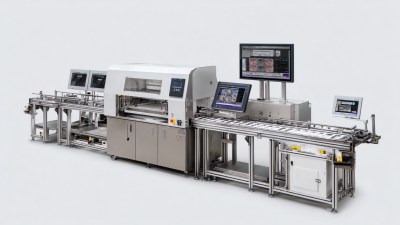
In recent years, the effectiveness of various food inspection equipment has garnered significant attention, particularly in the context of ensuring safety and quality in the food supply chain. Case studies have highlighted the critical role of technologies such as X-ray inspection and metal detectors in identifying contaminants before products reach consumers. For instance, a major poultry processing plant implemented X-ray inspection systems, which successfully detected bone fragments that traditional methods overlooked. This not only improved product safety but also enhanced consumer trust in the brand.

Another compelling case study involved the use of near-infrared (NIR) spectroscopy in the assessment of food quality. A leading fruit exporter adopted this non-invasive technology to evaluate ripeness and sugar levels in mangoes. The technology enabled real-time monitoring and optimization of harvest times, leading to reduced waste and higher-quality produce reaching international markets. These examples underscore the impact of advanced food inspection equipment in mitigating risks and improving overall product integrity in the food industry.

Top 10 Food Inspection Equipment Effectiveness

Any Questions? We Are Here for You

Contact Us

Contact Us

Request information

Ask us a question
Service Support

Service Support

Available 24 hours a day, 7 days a week.

Get in Touch
Find a representative

Find a representative

Contact your local representative

View Locations