Why You Need Food X Ray Inspection Equipment for Quality Control
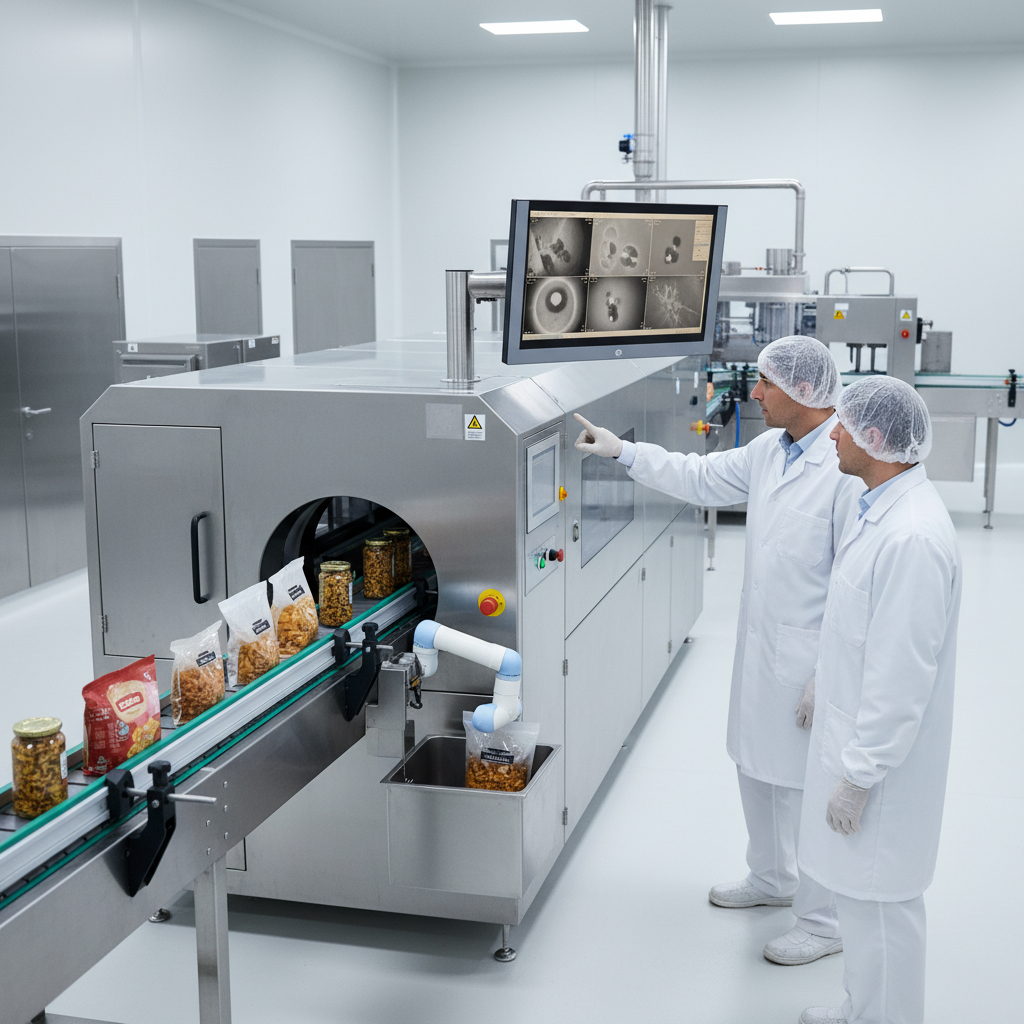 In the food industry, ensuring product safety and quality is paramount. As consumers become increasingly aware of food safety issues, companies are compelled to adopt advanced technologies that can help meet stringent regulatory standards. One such technology that has emerged as indispensable is food x-ray inspection equipment. This innovative solution not only detects foreign objects that may compromise food safety but also plays a critical role in monitoring the overall quality of food products.
Food x-ray inspection equipment provides a non-destructive method for identifying contaminants, ensuring that companies can uphold their commitment to consumer safety without compromising their production processes. By utilizing this technology, businesses can efficiently screen for metal, glass, and other harmful materials that could potentially harm consumers, thus minimizing the risk of costly recalls and protecting brand reputation. Furthermore, this equipment also assists in verifying the integrity of packaging, enhancing the overall quality control measures in food production.
In an increasingly competitive market, leveraging food x-ray inspection equipment is not merely an option but a necessity. Companies that implement this technology can gain a significant advantage by boosting consumer confidence, satisfying regulatory demands, and ultimately driving sales. By investing in food x-ray inspection equipment, businesses position themselves at the forefront of food safety and quality assurance, paving the way for success in the ever-evolving food industry.
Importance of Quality Control in Food Industry
Quality control is paramount in the food industry, where even minor lapses can lead to significant health risks and financial losses. According to the U.S. Food and Drug Administration (FDA), approximately 48 million people suffer from foodborne illnesses each year in the United States alone. Implementing rigorous quality control measures, including the use of advanced food X-ray inspection equipment, can mitigate these risks by detecting contaminants and ensuring product integrity throughout the production process.
The integration of X-ray inspection technology allows food manufacturers to identify foreign objects such as metal, plastic, and glass within their products. A report by PMMI indicates that 86% of food manufacturers believe that effective inspection technologies have greatly reduced their liability and increased consumer trust. Employing such technology not only improves compliance with safety regulations but also enhances overall product quality, leading to higher customer satisfaction.
Tips: When selecting food X-ray inspection equipment, consider factors such as sensitivity, speed, and ease of integration into existing production lines. Regularly train staff on inspection protocols to ensure consistent quality checks, and routinely calibrate your equipment to maintain accuracy and reliability in detecting contaminants. By establishing a robust quality control system, businesses can foster a reputation for safety and quality, ultimately driving loyalty among consumers.
Overview of Food X-Ray Inspection Technology
Food X-ray inspection technology is an advanced method employed to ensure the quality and safety of food products.
By utilizing high-energy x-ray radiation, this technology allows for the detection of foreign objects, such as
metal, glass, and plastic, within packaged foods. Unlike traditional inspection methods,
X-ray systems can identify contaminants regardless of their material or size, allowing manufacturers to maintain rigorous safety standards while minimizing
the risk of product recalls due to contamination.
Moreover, food X-ray inspection not only enhances product safety but also helps in verifying the integrity of the packaging.
It can assess the fill levels, detect missing components, or evaluate the composition of food items, ensuring that consumers receive products
that are both safe and compliant with regulatory standards. This technology plays a crucial role in the quality control processes of food manufacturing,
aiding companies in upholding their reputations and consumer trust. As the food industry continues to prioritize safety
and quality, the adoption of food X-ray inspection equipment is becoming increasingly essential.
Key Benefits of Using X-Ray Inspection for Food Products
The use of X-ray inspection equipment in the food industry is becoming increasingly essential for quality control. One of the key benefits of this technology is its ability to detect foreign objects, such as metal, glass, and plastic, within food products. According to a report by the Food Safety and Inspection Service (FSIS), contamination-related recalls have risen by 10% in the past five years, highlighting the critical need for effective detection methods. X-ray systems can identify contaminants that are often invisible to the naked eye, significantly reducing the risk of product recalls and ensuring consumer safety.
In addition to detecting foreign contaminants, X-ray inspection also aids in verifying product integrity and consistency. Studies, such as those published in the Journal of Food Science, indicate that up to 25% of food products fail to meet specified quality standards, often due to underfilled containers or damaged packaging. X-ray technology allows manufacturers to assess the fill levels and check for defects, thus maintaining product quality and minimizing waste. By implementing X-ray inspection, food producers not only enhance their quality control processes but also build consumer trust through consistent product safety and reliability.
Key Benefits of Using X-Ray Inspection for Food Products
This chart illustrates the various benefits of using X-Ray inspection equipment in food production, highlighting the importance of quality control.
Common Applications of Food X-Ray Inspection Equipment
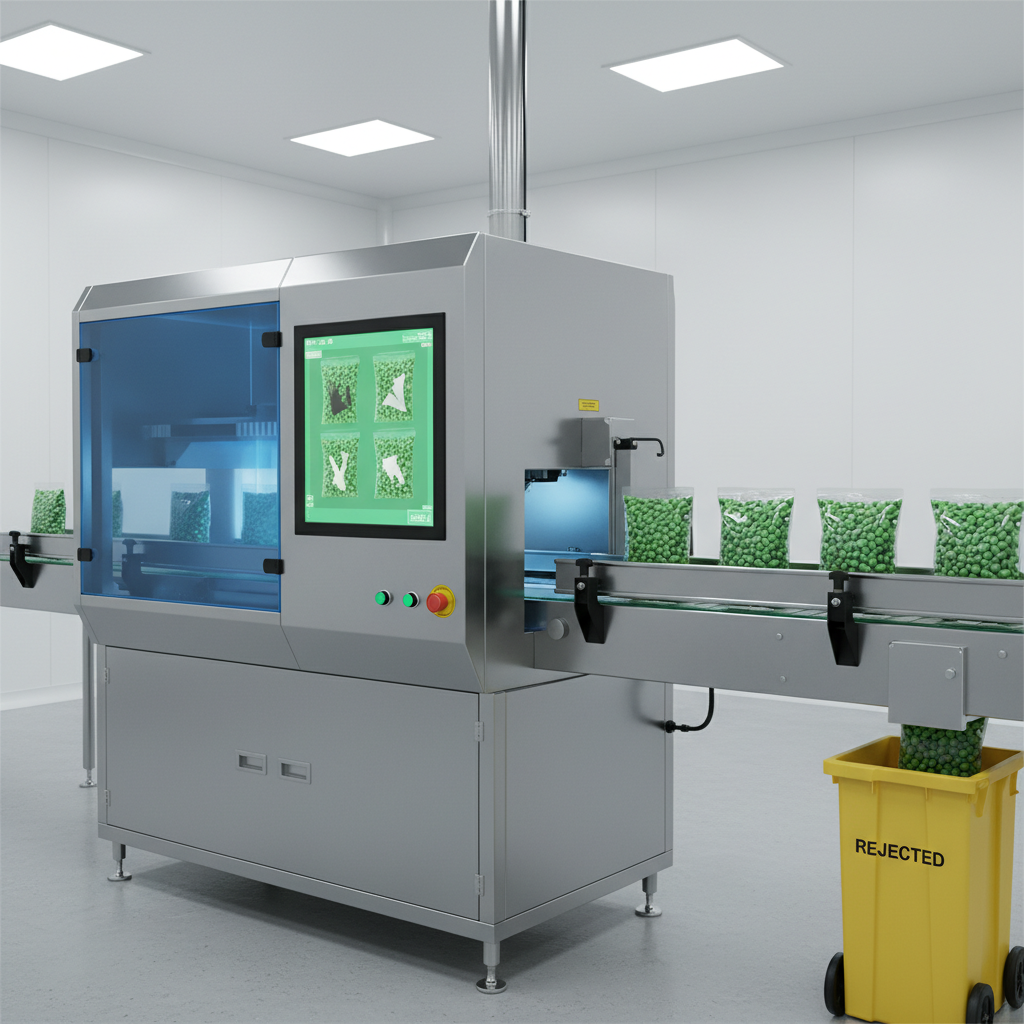
Food X-ray inspection equipment plays a crucial role in various applications within the food industry, enhancing quality control and safety measures. One of the primary applications is in detecting foreign contaminants such as metal, glass, and plastic that may inadvertently enter food products during the manufacturing process. This capability ensures that only safe and clean products reach consumers, thus maintaining brand integrity and consumer trust.
Another significant application of food X-ray inspection is in verifying the integrity and consistency of packaging. The equipment can identify issues such as broken seals or underfilled packages, which could compromise the food's safety and quality. Additionally, it is invaluable in examining the composition of products, allowing manufacturers to confirm the correct filling of multi-component items or identify variations in product density. By utilizing X-ray technology, manufacturers can streamline operations and enhance compliance with health regulations, ultimately leading to improved overall product quality.
Considerations When Choosing Food X-Ray Inspection Systems
When selecting food X-ray inspection systems, several important considerations come into play that directly impact food quality control. The global market for food X-ray inspection equipment was valued at approximately USD 350 million in 2020 and is expected to grow as stringent food safety regulations continue to rise. This equipment is crucial for detecting foreign contaminants in food products, including metals, glass, and stones. Companies must assess their specific operational needs, product types, and prospective throughput to ensure they choose the right system.
Additionally, the technology behind X-ray inspections is evolving. The market is divided between film-based and digital imaging techniques, with digital imaging—such as computed tomography and direct radiography—gaining significant traction due to its efficiency and accuracy. According to market research, digital X-ray systems are projected to dominate, with over 75% of the market share by 2025. This shift can be attributed to their ability to provide real-time imaging, thus improving inspection throughput and reducing downtime, ultimately enhancing overall food safety and quality control measures in production lines.

.svg)