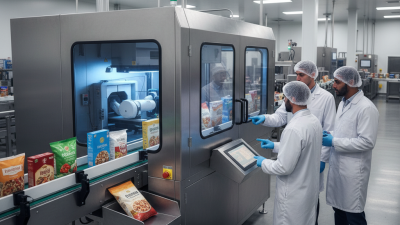
What Is Food X Ray Inspection Equipment and How It Works?
Food x ray inspection equipment helps manufacturers examine packaged products without opening them. It uses low-energy X-rays to reveal differences in density inside food and packaging. A detector captures the transmitted radiation and creates a detailed image for analysis. Dense materials appear as visible contrasts.
It is not magic. The line keeps moving.
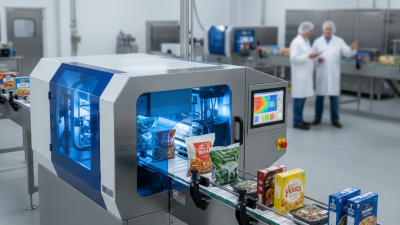
As products pass through the inspection tunnel, software compares each image with defined quality settings. It may identify metal, glass, stones, calcified bone, and other dense foreign materials. Some systems also detect missing products, broken seals, damaged packaging, or incorrect fill levels. When an abnormal image appears, an automatic reject mechanism removes the affected package from production flow.
A trained operator still matters. Product type, package shape, moisture, thickness, and speed can influence image quality. For example, a wet sauce pouch may produce a different background than a dry snack bag. Proper calibration, routine testing, and documented verification help maintain reliable performance. However, no inspection method is perfect. Poorly chosen settings can create false alarms or allow small, low-contrast defects to pass. That limitation deserves honest attention.
This guide explains how food x ray inspection equipment works, from X-ray generation to image processing and rejection. It also considers practical installation, maintenance, hygiene, and operator responsibilities. Reliable inspection depends on more than advanced hardware. It requires suitable equipment, experienced judgment, and continuous review of real production results.
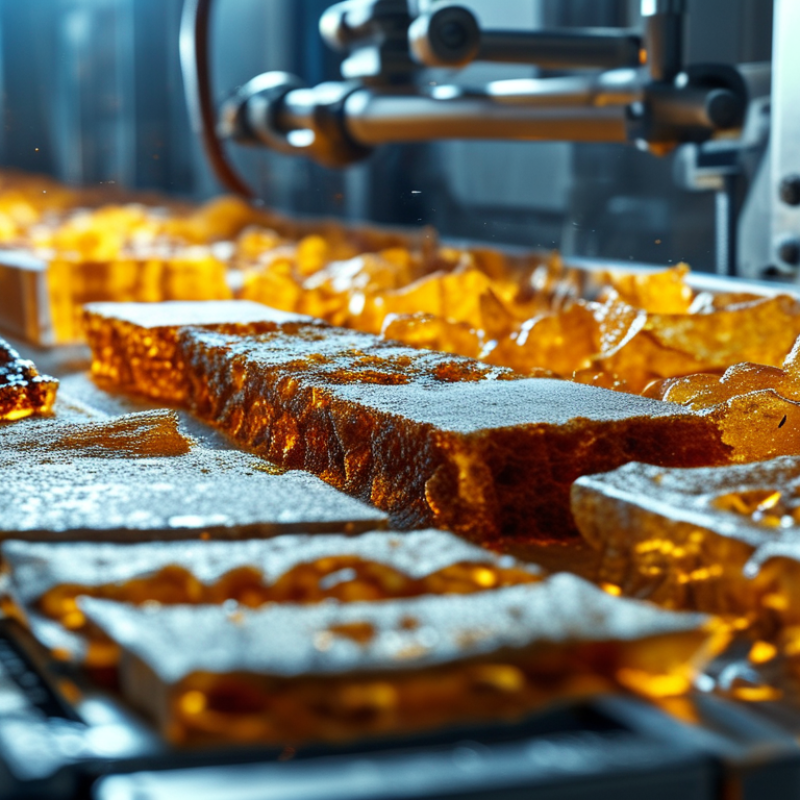
What Is Food X-Ray Inspection Equipment?
Food X-ray inspection equipment is a non-destructive safety system used to examine packaged food on a production line. It sends a controlled, low-energy X-ray beam through each product. A detector receives the remaining energy and creates a grayscale image. Dense objects absorb more radiation, so metal, glass, stones, calcified bone, and some dense plastics appear clearly.
The system can also identify missing items, broken products, poor seals, and unusual fill levels. Its value is practical: operators can inspect sealed packs without opening them. The World Health Organization estimates that unsafe food causes about 600 million illnesses and 420,000 deaths each year. This figure explains why reliable physical-hazard controls matter. However, X-ray inspection does not sterilize food or replace hygienic production.
In daily operation, trained staff set product-specific sensitivity levels, verify reject devices, and review test pieces at scheduled intervals. Packaging thickness, moisture, salt content, and product position can affect image quality. That part is often underestimated. A clean image is not proof of perfect safety. Equipment must be integrated with documented hazard analysis, calibration, maintenance, and traceability procedures. Guidance from the U.S. Food and Drug Administration and Codex Alimentarius supports risk-based controls, though exact verification requirements depend on the facility and market.
How Food X-Ray Inspection Equipment Works Step by Step
Food X-ray inspection equipment examines packaged products without opening them. Its value is clear: the WHO estimates that contaminated food causes about 600 million illnesses and 420,000 deaths globally each year, according to its 2015 global burden report.
The process starts when sealed products enter the inspection tunnel on a conveyor. A controlled X-ray generator sends energy through each package. Dense materials absorb more X-rays, so they appear darker or lighter on the detector image. The system compares this image with programmed acceptance limits. It can identify metal, glass, mineral stones, calcified bone, and some high-density plastic pieces.
Next, software checks the product shape, mass distribution, and expected position. If the image exceeds a set threshold, a synchronized reject device removes the package from the line. Timing matters. A small delay can eject the wrong item.
Operators verify performance with certified test pieces at defined intervals. They also review rejected products, clean sensitive areas, and record calibration results. Codex food hygiene principles support this documented, preventive approach.
No system sees everything. Very thin contaminants may escape detection, especially in low-density products. Product thickness, moisture, salt content, and package overlap can also affect sensitivity. That limitation deserves attention. Proper line testing and realistic settings remain more important than impressive specifications. Safety shielding and door interlocks must be checked before production begins.
How Food X-Ray Inspection Equipment Works: Signal Loss Through Food
Chart basis: The graph shows the estimated relative detector signal after X-rays pass through water-equivalent food at a fixed energy. Values use the Beer–Lambert attenuation model with an approximate linear attenuation coefficient of 0.184 cm−1. Actual results vary with food composition, density, thickness, tube voltage, and detector design.
- Product presentation: Food moves through the inspection area on a conveyor.
- X-ray generation: An X-ray tube sends penetrating radiation through the product.
- Material absorption: Food and any foreign object absorb different amounts of X-ray energy.
- Image detection: A detector converts the remaining radiation into a digital grayscale image.
- Image analysis: Software compares the image with inspection criteria and can trigger product rejection when a contaminant or abnormality is detected.
Which Contaminants and Defects X-Ray Systems Can Detect
What Is Food X-Ray Inspection Equipment and How It Works?
Food X-ray inspection equipment uses controlled X-ray energy to examine packaged products without opening them. A detector measures how much energy passes through each area. Dense materials absorb more energy and appear as contrasting shapes on the inspection image. Operators can then compare those images with carefully selected detection limits.
Which Contaminants and Defects X-Ray Systems Can Detect
X-ray systems can identify many dense contaminants, including metal fragments, glass pieces, stones, and calcified bone. Some dense plastics and rubber may also be visible, depending on their composition, size, and position. Detection performance changes with product thickness, packaging material, moisture, and overlapping ingredients. It is not equally strong for every contaminant.
The equipment can also find product defects. Typical examples include missing items, broken pieces, incorrect fill levels, air pockets, uneven portions, and damaged seals. In sealed trays, it may reveal a missing component beneath sauce or a cracked piece inside a pouch. Systems can estimate product weight and reject packages that fall outside defined limits. Calibration matters greatly. Test samples should represent real production conditions, not ideal laboratory examples. No inspection method is flawless. A poorly chosen test piece may create false confidence. Regular verification, clear image review, and trained operators help make results more reliable. Small changes in product density can still require careful reassessment.
Key Factors When Choosing Food X-Ray Inspection Equipment
Food X-ray inspection equipment uses controlled X-ray energy to examine packaged products without opening them.
Dense materials, such as metal, glass, stones, and bone fragments, absorb more energy and appear as contrasting areas on the detector. The system then compares each image with programmed limits and rejects suspicious packs. It is valuable because contamination can occur after processing. The World Health Organization estimates that unsafe food causes about 600 million illnesses and 420,000 deaths worldwide each year.
Choosing suitable equipment requires more than checking the advertised detection size.
Product density, moisture, package shape, conveyor speed, and film thickness directly affect performance. A system designed for frozen meat may perform poorly with sauces or layered snacks. The USDA Economic Research Service estimated that foodborne illness causes about 48 million cases, 128,000 hospitalizations, and 3,000 deaths annually in the United States. These figures justify careful validation, not rushed purchasing.
Look for stable image quality, reliable reject confirmation, accessible audit records, and simple cleaning access.
Stainless construction and suitable ingress protection matter in wet production rooms. Check whether the equipment supports HACCP-based procedures, test-piece verification, and documented sensitivity checks. False rejects also deserve attention. They waste product and may hide process problems. A faster machine is not always better. Line trials should use real products, real packaging, and the worst-case position. No detector is perfect. I would question any supplier claiming otherwise. Service response, operator training, radiation safety controls, and future product changes should influence the final decision as much as price.

.svg)