Food Safety Insights

In Eagle’s Advanced Insights Blog, experts share their know-how by keeping you up-to-date with the latest trends to ensure your inspection equipment keeps your products safe. Eagle is an industry leader when it comes to performance and innovation, and we’ll share the news that’s important to you to enhance your quality assurance program.
Suggest topic you would like to see at:

sale@generalmachinery.org

How to Freeze Dry Liver for Long Term Preservation?

Freeze Drying Liver is an effective method for long-term preservation. This technique enables you to store liver without losing vital nutrients. Unlike traditional methods, freeze drying protects the meat's integrity.

When it comes to freeze drying liver, many may not know where to start. Understanding the right equipment and process is crucial. The balance between temperature and pressure must be precise. This process offers the best results when done correctly. You may discover some unexpected challenges during preservation.

Freeze drying liver can provide convenience and nutrition for future cooking. The versatility of freeze-dried liver allows for easy incorporation into various dishes. However, achieving optimal results may require practice and care. Pay attention to details to avoid pitfalls. Embrace the learning curve, and enjoy the benefits of this preservation method.

How to Freeze Dry Liver for Long Term Preservation?

Understanding Freeze Drying: The Science Behind the Method

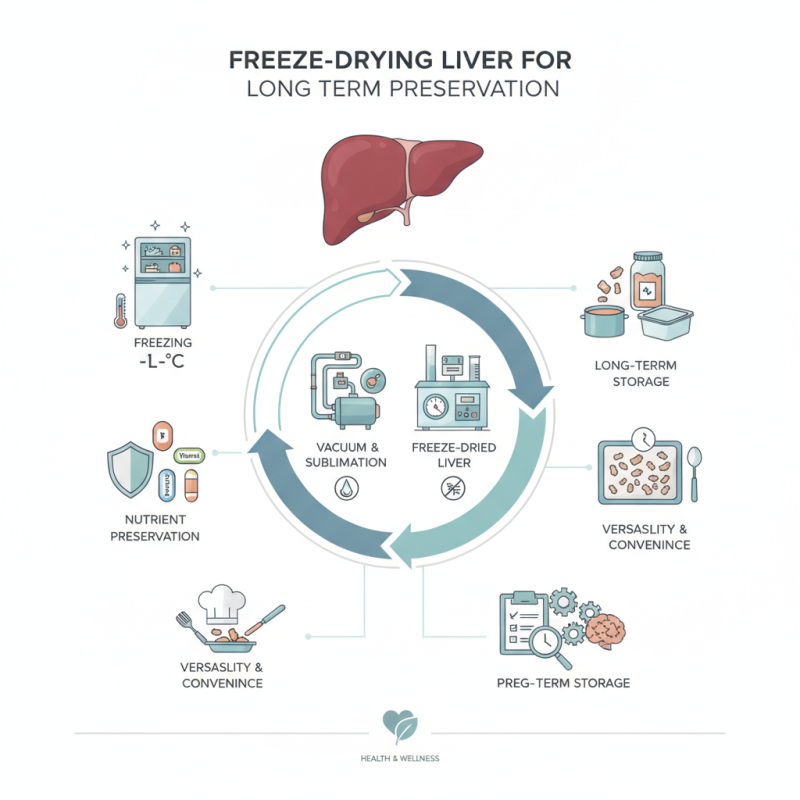
Freeze drying, also known as lyophilization, is a preservation process that removes moisture from foods. This method ensures the nutrients stay intact while prolonging shelf life. Freeze drying involves freezing the liver and then slowly heating it under a vacuum. As the temperature rises, ice sublimates directly into vapor, leaving behind a dry product.

Handling liver requires care. Use fresh, high-quality liver for the best results. After cleaning, cut the liver into small, uniform pieces. This ensures an even freeze-drying process. Ideally, aim for pieces about an inch thick. Place these pieces on trays, leaving space between them to allow airflow. It is important to freeze the liver completely before starting the lyophilization process.

Tips: Store freeze-dried liver in airtight containers. Keeping oxygen out will help maintain quality. Monitor the temperature and humidity where you store the containers. Checking moisture levels is essential for long-term preservation. Remember, even the best methods can have pitfalls. Improperly dried liver can spoil quickly. Always evaluate the condition of your supplies before using them.

Selecting the Right Liver for Freeze Drying: Key Quality Considerations

When selecting liver for freeze drying, quality is paramount. Look for fresh liver that displays a rich, vibrant color. Freshness indicates the liver's health and nutrient levels. Avoid livers that show any signs of discoloration or an off-putting odor. These factors can affect the final product. Sourcing liver from reputable suppliers ensures better quality.

Texture is another key consideration. A healthy liver should be firm yet slightly yielding to pressure. Examine the surface; it should be smooth and moist, not dry or slimy. Pay attention to the animal's diet, as it impacts liver quality. Grass-fed animals often yield superior liver due to their natural diet.

Consider the age of the animal as well. Younger livers generally have a milder flavor and better texture. However, this isn't an absolute guarantee. It can be beneficial to experiment with different sources. Documenting your findings will help refine your selection process. This reflects a thoughtful approach to freeze drying.

Step-by-Step Process of Preparing Liver for Freeze Drying

Freeze drying liver for long-term preservation involves precise steps for optimal results. Start by selecting fresh liver. Ensure it's free from blemishes and has a vibrant color. Rinse it under cold water to eliminate any impurities. Cut the liver into smaller, uniform pieces. This enhances the freeze-drying process by promoting even moisture removal.

Once cut, place the liver pieces on a tray, ensuring they are not touching. Freeze the liver at a temperature below -40°F. This step is crucial as it prepares the tissue for sublimation, where ice converts directly to vapor. According to some industry reports, proper freezing can improve nutrient retention by up to 90%. After the liver is fully frozen, transfer the trays into a vacuum chamber. Maintain an optimal vacuum level for effective moisture extraction.

The final product should be lightweight and dry, with a texture reminiscent of jerky. However, achieving a perfect freeze-dried liver isn’t always easy. Some may find the texture undesirable or the nutrient levels lower than expected. Regular monitoring of temperature and vacuum levels is necessary, as deviations can impact the outcome. Proper storage in airtight containers is essential to prevent moisture absorption.

Nutrition Comparison of Fresh Liver vs Freeze-Dried Liver

Storage Solutions: Optimal Conditions for Freeze Dried Liver

When freeze drying liver, optimal storage conditions are crucial for long-term preservation. The process involves removing moisture while retaining nutrients. A study by the National Center for Food Preservation states that freeze-dried foods can last 25 years or more when stored correctly. The key is to keep humidity levels low.

Ideal storage happens in a cool, dark place. Temperatures should be below 70°F (21°C) to prevent spoilage. Oxygen exposure can degrade quality. Vacuum-sealing freeze-dried liver in mylar bags helps maintain its integrity. According to the Journal of Food Science, using oxygen absorbers can further extend shelf life.

Packaging matters. Moisture can creep in, so ensure seals are airtight. Storing your freeze-dried liver away from light will also help preserve flavor and color. Small batches are often more manageable. Reflect on your organization methods and adjust as needed. Not every technique works perfectly for everyone; experimenting is part of the process.

Nutritional Retention in Freeze Dried Liver: What the Data Shows

Freeze-drying is a powerful method for preserving liver, maximizing its nutritional value. Studies have shown that freeze-dried liver retains over 90% of essential nutrients. The high protein content remains intact, providing a rich source of iron, vitamin A, and B vitamins.

One report highlights that freeze-drying preserves amino acids effectively. The essential amino acids, which support muscle growth and recovery, are minimally affected. A study from a leading food science journal noted that freeze-dried liver maintains its bioavailability. However, some vitamins, such as vitamin C, show a significant reduction during the process.

Texture and flavor can change with freeze-drying. While the nutritional profile is robust, consumers sometimes find the texture less appealing. There is also a need for careful storage to avoid moisture absorption, which can lead to nutrient degradation. A recent survey indicated that proper vacuum sealing and storage can further enhance longevity. Balancing preservation with palatability remains a challenge.

Any Questions? We Are Here for You

Contact Us

Contact Us

Request information

Ask us a question
Service Support

Service Support

Available 24 hours a day, 7 days a week.

Get in Touch
Find a representative

Find a representative

Contact your local representative

View Locations