Food Safety Insights

In Eagle’s Advanced Insights Blog, experts share their know-how by keeping you up-to-date with the latest trends to ensure your inspection equipment keeps your products safe. Eagle is an industry leader when it comes to performance and innovation, and we’ll share the news that’s important to you to enhance your quality assurance program.

Suggest topic you would like to see at:

sale@generalmachinery.org

What Is Fruit and Vegetable Processing Equipment?

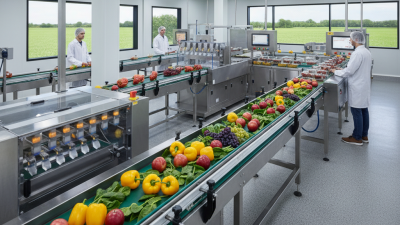
Fruit and vegetable processing equipment turns fresh produce into safe, consistent products for storage, transport, and sale. A processing line may include washers, optical sorters, peelers, slicers, blanchers, pulpers, dryers, freezers, and packaging machines. Its exact design depends on the crop, product, and required output. A tomato line, for example, may move fruit from washing and sorting to crushing, heating, and filling. A leafy-green line needs gentler handling.

The need is practical, not abstract. FAO’s 2019 The State of Food and Agriculture estimated that about 14 percent of food is lost between harvest and retail worldwide. Better processing and storage can help limit some losses, though equipment alone cannot solve poor handling, weak maintenance, or unreliable power. Small details matter: bruised apples can spoil faster, while a poorly adjusted cutter can create uneven pieces and extra waste. That sounds simple. It isn’t.

FAO Director-General QU Dongyu has called for agrifood systems to become “more efficient, more inclusive, more resilient and more sustainable.” That goal helps explain why processors invest in suitable machinery, rather than simply buying the fastest line. The right equipment can improve hygiene control, product consistency, and throughput while reducing avoidable losses. Yet every machine has limits. Fruit and vegetable processing equipment must match the crop, operators, cleaning routines, and local production conditions. This guide explains what the equipment includes, how key machines work, and what buyers should assess before choosing a system.

What Is Fruit and Vegetable Processing Equipment?

Definition and Scope of Fruit and Vegetable Processing Equipment

Fruit and vegetable processing equipment includes the machines used to prepare fresh produce for storage, transformation, and packing. Its scope usually begins at post-harvest receiving and ends when products are packed or ready for distribution. Typical equipment includes washers, inspection conveyors, graders, peelers, cutters, blanchers, pulpers, presses, dryers, freezers, and filling systems. The exact line depends on the crop and the intended product. A tomato line may use pulpers and heat-treatment equipment; a leafy-green line may rely on gentle washing, dewatering, and rapid chilling. Wash water matters.

The boundary is not always tidy. Some facilities include cold rooms, wastewater handling, and quality-control instruments in their equipment scope; others treat them as supporting infrastructure. FAO’s 2019 report, The State of Food and Agriculture, estimated that 13.8% of food was lost between harvest and retail. Fruit and vegetables had the highest reported loss rate, at about 22%. These figures show why equipment selection matters, but they do not prove that machinery alone prevents losses. Capacity, sanitation design, operator training, and maintenance all affect performance. A fast cutter can still create waste if its settings bruise ripe fruit. That detail is easy to overlook.

What Is Fruit and Vegetable Processing Equipment? - Definition and Scope of Fruit and Vegetable Processing Equipment

Fruit and vegetable processing equipment comprises machines and systems used to handle, prepare, transform, preserve, and package produce. The equipment selected depends on the product, process, capacity, and required food-safety controls.

Processing stage Typical equipment Main function Typical product or output Scope notes
Receiving and conveying Hoppers, bins, elevators, belt and roller conveyors Moves produce from delivery and storage into the processing line while supporting controlled handling. Whole fruit and vegetables delivered to the line Often integrated with inspection and washing systems.
Washing and cleaning Flume washers, spray washers, brush washers, air cleaners Removes soil and other surface debris; washing systems may use water sprays, agitation, or brushing. Cleaned produce for inspection or further processing Water management and sanitation requirements depend on the process and facility.
Inspection, grading, and sorting Inspection belts, screens, size graders, optical sorting systems Separates produce by characteristics such as size, color, shape, or visible defects. Graded produce or rejected material Sorting criteria vary by crop and intended product.
Preparation and trimming Peelers, corers, pitting machines, destemmers, trimming and cutting machines Removes inedible or unwanted parts and prepares produce for the next operation. Peeled, cored, pitted, trimmed, or cut produce Equipment is crop-specific; not every line includes all preparation steps.
Cutting and size reduction Slicers, dicers, shredders, crushers, mills, pulpers Reduces produce to a specified size or breaks down tissue for products such as purée. Slices, dices, shreds, crushed fruit, or pulp Cut dimensions and texture depend on the product specification.
Juice and purée processing Fruit presses, extractors, finishers, pulpers, screens Extracts liquid or separates juice and purée from skins, seeds, or coarse solids. Juice, purée, or separated by-product streams Used when the intended product requires extraction or refining.
Thermal processing Blanchers, cookers, pasteurizers, retorts Applies controlled heat for product preparation or preservation, according to the process design. Blanched, cooked, pasteurized, or shelf-stable product Time, temperature, and process controls must suit the product and package.
Drying and dehydration Tray dryers, belt dryers, fluidized-bed dryers, freeze dryers Removes moisture to create dried products or ingredients. Dried fruit, vegetable pieces, flakes, or powders Drying method depends on the desired quality, product form, and process requirements.
Freezing and chilling Chillers, blast freezers, individual quick-freezing systems Lowers product temperature for chilled handling or frozen storage. Chilled or frozen produce Cold-chain storage and handling may be part of the wider processing system.
Packaging Fillers, sealers, baggers, tray packers, labelers Places processed produce into containers and closes or labels packages. Packaged fresh-cut, frozen, dried, canned, or liquid products Packaging format and equipment depend on the product and preservation method.
Supporting systems Pumps, tanks, piping, control systems, sanitation equipment Supports transfer, storage, process control, cleaning, and safe operation of the production line. Process fluids, ingredients, and operational support May be included in a complete processing line even though it does not directly transform produce.

Scope can range from a single machine to an integrated production line. Equipment for cultivation, primary harvesting, retail display, and distribution is generally outside the processing-equipment scope unless it is directly integrated with a processing operation.

Main Types of Processing Equipment

Fruit and vegetable processing lines use different machines at each stage. Washers remove soil with spray bars, flumes, or rotating brushes. Sorting systems use cameras or staff to identify bruises, uneven color, and foreign material. Peeling, coring, and dicing machines prepare produce for canning, freezing, or fresh-cut packs. Small details matter. A soft tomato needs gentler handling than a firm carrot.

The FAO’s 2019 report, The State of Food and Agriculture, estimated that 14 percent of food is lost between harvest and retail; fruits and vegetables are among the most loss-prone groups. This makes careful washing, grading, and temperature control practical priorities. Blanchers treat vegetables briefly with steam or hot water before freezing. Pulpers and presses extract juice or puree, while pasteurizers apply controlled heat to reduce microbial risk. Chillers, freezers, and dryers extend usable life in different ways. Packaging equipment then seals products in trays, cans, pouches, or cartons. FAO’s 2023 SDG Progress Report estimated that 13.2 percent of food was lost globally in 2021 between harvest and retail. These figures describe broad supply-chain losses, not equipment performance alone. In practice, automation can improve consistency, but poorly adjusted cutters still bruise produce. No line is perfect. A short trial with the actual crop can reveal what specifications miss.

Key Stages in Fruit and Vegetable Processing

Fruit and vegetable processing begins when produce arrives at the facility. Conveyors, inspection tables, and sorting equipment help separate damaged items from usable crops. Workers also check ripeness, size, and visible contamination. These details matter: overripe peaches may collapse during handling, while uneven potatoes can cook inconsistently. Washing systems use controlled water flow and, where appropriate, brushes to loosen soil. Clean water matters. Peeling, trimming, and coring equipment then prepares each crop for its intended product. A setup that suits firm apples may bruise delicate berries, so settings need adjustment.

Cutting, slicing, crushing, or pulping changes produce into a form that can be cooked, frozen, dried, or packed. Blanching equipment briefly heats some vegetables before freezing; the time and temperature depend on the crop and cut size. Juice and puree lines may use pulpers, screens, or presses to separate liquid from seeds and fibrous material. Heat treatment and rapid cooling can help control spoilage, but poorly managed temperatures may affect texture and flavor. Packaging machines fill and seal containers after processing, while checks for fill level and seal quality help catch defects. In practice, the line is rarely flawless; a clogged screen or bruised batch can slow production and deserves attention.

How Processing Equipment Works

Fruit and vegetable processing equipment moves produce through a series of controlled steps. A typical line may include a receiving hopper, spray washer, inspection belt, cutter, and pump. Each machine prepares the crop for the next stage. Water jets remove soil, while workers or optical sensors help separate damaged pieces. A cutter then creates slices of a more consistent size. That matters because uneven pieces heat or dry at different rates. Not every product follows the same route. It is not automatic.

For juice, fruit may pass through a crusher and pulper before the liquid is screened and treated with heat. For frozen vegetables, blanching equipment briefly exposes cut pieces to hot water or steam, then cooling equipment lowers their temperature. Conveyors link these machines, and sensors can track temperature, speed, or product flow. Operators still need to check the equipment, adjust settings, and confirm that cleaning has reached hard-to-see areas. A clean-looking belt can hide residue near a joint. There is no perfect setting for every crop; ripeness and moisture can vary from batch to batch. That variation deserves attention, not guesswork.

Applications and Equipment Selection Factors

Fruit and vegetable processing equipment serves different jobs across a production line. Washers remove soil from leafy greens, while brush or spray systems clean firm produce such as carrots. Optical or manual sorting helps separate bruised items before cutting, peeling, or dicing. For juice and puree, crushers and pulpers prepare fruit for extraction. Blanchers, dryers, and freezers support products that need longer storage.

The right equipment depends on the crop and the finished product. A line handling delicate berries needs gentler transfer than one processing potatoes. Check hourly capacity against peak harvest volumes, not just average output. Small details matter. Look for accessible contact surfaces, straightforward cleaning, and parts that operators can inspect without lengthy disassembly. Water use, energy demand, floor space, and links to existing conveyors also affect day-to-day performance. In a small facility, a compact machine may seem ideal, yet restricted access can make cleaning slower. A specification sheet can miss that. Ask operators to test representative produce, including irregular sizes and softer items, before choosing a system. The trial may reveal that a slightly slower machine creates less waste and fewer stoppages.

Fruit and Vegetable Processing Equipment: Applications and Selection Factors

Processing equipment supports steps such as blanching, drying, hot filling, and refrigerated storage. The chart shows representative operating temperatures; actual settings vary by product, process design, and food-safety requirements.

Selection factors: Consider the product and cut size, required capacity, process temperature and time, hygiene and cleanability, energy use, and the level of automation needed.

Any Questions? We Are Here for You

Contact Us

Contact Us

Request information

Ask us a question
Service Support

Service Support

Available 24 hours a day, 7 days a week.

Get in Touch
Find a representative

Find a representative

Contact your local representative

View Locations