What is a Gate Valve and How Does it Work?
A Gate Valve is crucial in many plumbing and industrial systems. It is designed for on/off control, making it popular in applications where a straight-line flow of fluid is needed. When fully opened, a gate valve allows maximum flow with minimal restriction. However, its design can lead to some operational challenges.
One common issue is the time it takes to fully open or close a gate valve. This can be a drawback in emergency situations. The gate, which moves up and down, does not provide throttling capabilities. Using a gate valve for flow regulation can lead to inefficiencies. In some cases, improper installation can result in leaks or inadequate sealing.
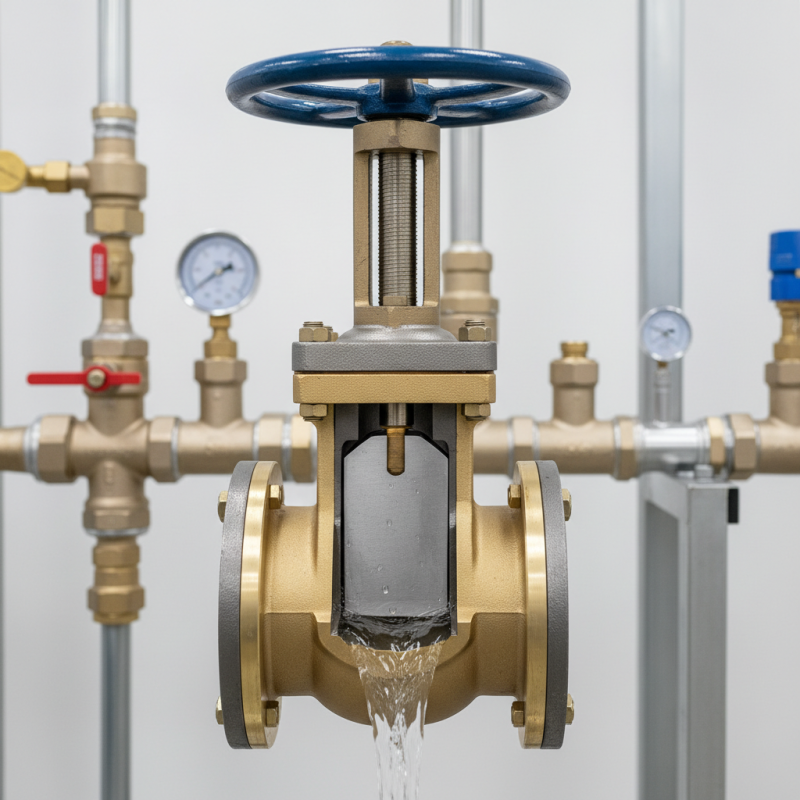
Understanding how a gate valve operates is essential for effective use. These valves are composed of a body, a disc, and a bonnet. The disc is moved by a stem, which is turned by a handwheel or actuator. The mechanical design may seem straightforward, but there are nuances to be aware of. Regular maintenance is necessary to ensure optimal performance over time. Proper knowledge can help avoid common pitfalls associated with gate valves.
What is a Gate Valve?
A gate valve is a type of valve used to stop or allow the flow of liquids or gases. It consists of a flat gate that slides between two seats. When the gate is fully opened, it allows fluid to flow freely. Thus, gate valves are excellent for applications requiring straight-line flow with minimal restriction.
One drawback of gate valves is that they can be slow to operate. The gate must be raised or lowered completely, which isn’t always practical in urgent situations. Additionally, they are not ideal for throttling purposes. If not maintained properly, they can become stuck and need replacing. This reality prompts users to reflect on the importance of regular maintenance and assessment of valve performance.
Gate valves come in various sizes and materials, tailored to different applications. Some are made of metal, while others might use plastic. Understanding the material and design is crucial to their effective use. Choosing the right type involves careful consideration of the system requirements and potential challenges. This complexity reminds us that even in simple devices, there are layers of detail to explore.
The Structure of a Gate Valve
A gate valve is an essential component in many plumbing systems. Its primary function is to start or stop the flow of liquid. But how does the structure enable this?
The gate valve consists of a tough body, a gate, and a handwheel. When you turn the handwheel, the gate moves up and down. This motion opens or closes the valve. The body is typically made of metal. The design is often simple but effective. However, it can be challenging to maintain. Leaks may develop over time, leading to potential issues.
Regular inspections are necessary. The internal parts, like the gate and seals, can wear down. This wear can affect the valve's performance. Sometimes, unexpected blockages occur, complicating repair efforts. Understanding the structure is crucial for proper maintenance and operation. Being attentive to these details can prevent bigger problems in the future.
How Gate Valves Function Mechanically
Gate valves are essential components in various piping systems. They control the flow of fluids through a simple yet effective design. Mechanically, they function through a gate that is raised or lowered to open or close the passage. The gate moves perpendicularly to the flow direction, allowing or blocking fluid movement.
When the gate valve is fully open, the flow path is clear. This design minimizes pressure loss, making it efficient for many applications. However, the movement of the gate can create issues, especially over time. Frequent use may cause wear, leading to leaks. Sometimes, users struggle with proper maintenance, resulting in malfunctioning valves.
The mechanism of a gate valve involves a handwheel or actuator to operate the gate. The force applied can either be too little or excessive, causing problems. If the gate doesn’t seat properly, it won’t create a tight seal. Users often overlook the need for regular inspection. Mechanical failure can arise from neglect, showing the importance of diligence in maintenance.
Applications of Gate Valves in Industries
Gate valves are vital components in various industries, especially in oil and gas, water treatment, and power generation. These valves allow for effective flow control. Their design permits minimal fluid resistance when fully open. According to a recent market report, the global gate valve market is expected to grow at a CAGR of 5.3% from 2021 to 2026. This trajectory reflects their increasing adoption in essential applications.
In the oil and gas sector, gate valves are used for on-off services. They can handle high-pressure systems efficiently. However, they are not ideal for regulating flow. Over time, wear and tear can affect their performance. In water treatment, these valves help to isolate sections of pipelines. But improper maintenance can lead to leaks, which poses a significant risk.
Power plants also rely on gate valves for cooling systems and steam lines. Their durable construction allows them to withstand extreme conditions. While they are designed for long-term usage, unexpected failures have been reported. A study indicated that 30% of valve failures are due to inadequate maintenance practices. This highlights the need for regular inspection and care in their application.
What is a Gate Valve and How Does it Work? - Applications of Gate Valves in Industries
| Dimension | Description | Typical Application |
| Nominal Size | The diameter of the valve opening, typically measured in inches or millimeters. | Used in pipelines of various sizes for controlling flow. |
| Material | Common materials include cast iron, stainless steel, and brass, chosen based on the application and medium. | Chemical and water treatment industries for corrosion resistance. |
| Operating Pressure | The maximum pressure that the valve can handle during operation, usually measured in psi or bar. | Oil and gas industries where high pressure is common. |
| Temperature Range | The range of temperatures that the valve can operate efficiently. | Power plants and heating applications. |
| Flow Direction | Typically bi-directional, allowing fluid flow in both directions. | Water and wastewater management systems. |
Advantages and Disadvantages of Using Gate Valves
Gate valves are widely used in various industries. They offer certain advantages that make them appealing. One key benefit is their ability to provide a straight flow path. This means minimal resistance to the flow of fluids. Consequently, they are perfect for on-off control in pipelines. Their simple design allows for less turbulence, ensuring efficiency.
However, there are downsides. Gate valves can be slow to open and close. This means that operators need to be patient. They may not be suitable for applications requiring quick adjustments. Additionally, due to the design, gate valves are not ideal for throttling. Applying them for this purpose can lead to damage over time.
Another issue is maintenance. Gate valves may require regular inspections to ensure proper function. If not maintained, they can leak or fail to seal completely. This can lead to costly repairs and downtime. These factors should be carefully considered when choosing a valve type for specific applications. While gate valves have their perks, users must also weigh these potential challenges.

.svg)


