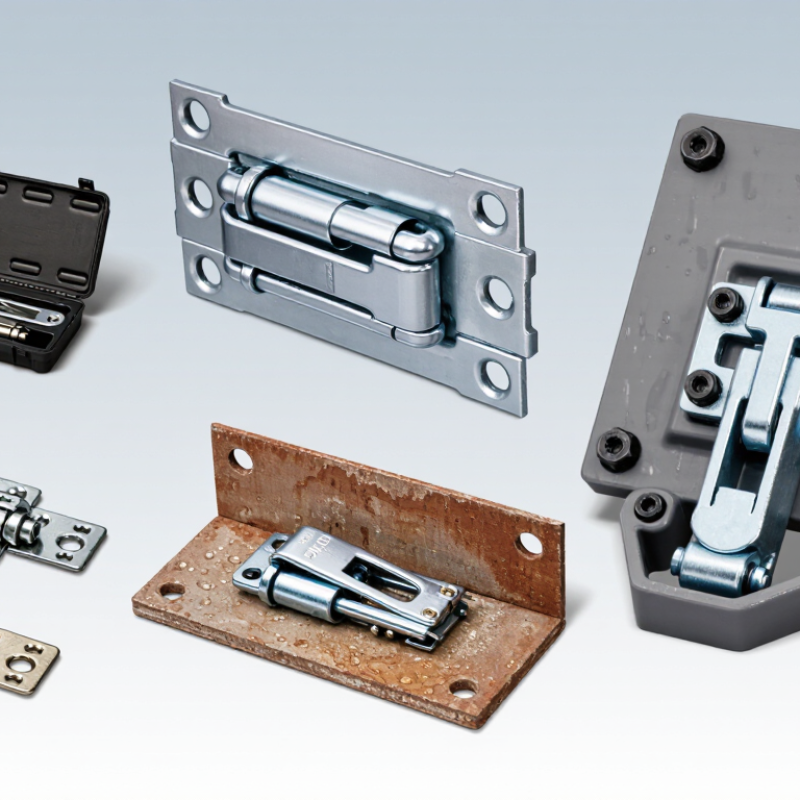
| Equipment access panel | Indoor or sheltered use; occasional opening; low exposure to water and debris. | Determine whether the latch only keeps a panel closed or must also resist vibration and pressure on the panel. | Compact, corrosion-resistant construction; a positive keeper; a release action suited to how often the panel is opened. | Check panel alignment, mounting space, vibration exposure, and the latch maker’s rated capacity for the installed configuration. |
| Outdoor enclosure or service cabinet | Rain, humidity, dust, sunlight, and temperature changes; possible exposure to cleaning agents. | Account for wind, panel flex, gasket compression, and repeated opening. Do not treat a latch as a substitute for a structural restraint. | Materials and finish suitable for the site; a secure engagement method; compatible sealing surfaces where weather protection is needed. | Confirm material compatibility, drainage and sealing details, temperature limits, and resistance to the actual cleaning chemicals. |
| Vehicle or mobile equipment compartment | Continuous vibration, impact, road spray, dust, and frequent changes in load direction. | Consider dynamic forces and fatigue, not just the static weight of the panel or contents. | Positive retention, vibration-resistant hardware, robust mounting points, and a release method that will not open accidentally. | Use the specified working load limit for the full assembly; inspect fasteners, mounting structure, and wear points regularly. |
| Removable cover on machinery | Repeated access; possible oil, coolant, dust, heat, or cleaning exposure depending on the machine. | Allow for cover weight, operating vibration, and any force from a seal or gasket. | Easy, repeatable engagement; suitable corrosion and chemical resistance; a design that allows the cover to be removed safely. | Check pinch points, guarding requirements, access frequency, and whether the latch remains secure during machine operation. |
| Marine or coastal equipment | Salt spray, high humidity, wet handling, and potential contact with salt deposits. | Assess shock, movement, and the consequences of a latch releasing; the supporting structure must also withstand the load. | Corrosion-resistant materials and compatible fasteners; a secure closure that can still be operated with wet hands or gloves. | Verify suitability for the specific marine exposure, rinse and maintenance needs, and galvanic compatibility between joined materials. |
| Transport case or reusable shipping container | Repeated handling, stacking, impacts, and storage across changing environments. | Consider the packed case’s contents, handling shocks, and whether the latch must prevent accidental opening during transport. | Durable construction, a clear closed indication, and a keeper that resists unintended release during handling. | Confirm the case structure can carry the forces; evaluate closure security and inspect the latch after impact or visible deformation. |
| Light-duty storage box or cabinet | Mostly stationary indoor use; low vibration; occasional operation. | Usually modest closure forces, but account for door sag, misalignment, and any stored items pressing against the door. | Simple operation, appropriate size, and a mounting pattern that fits the panel and frame. | Check the closed position, clearances, fastener access, and whether a lock or secondary restraint is required. |

.svg)