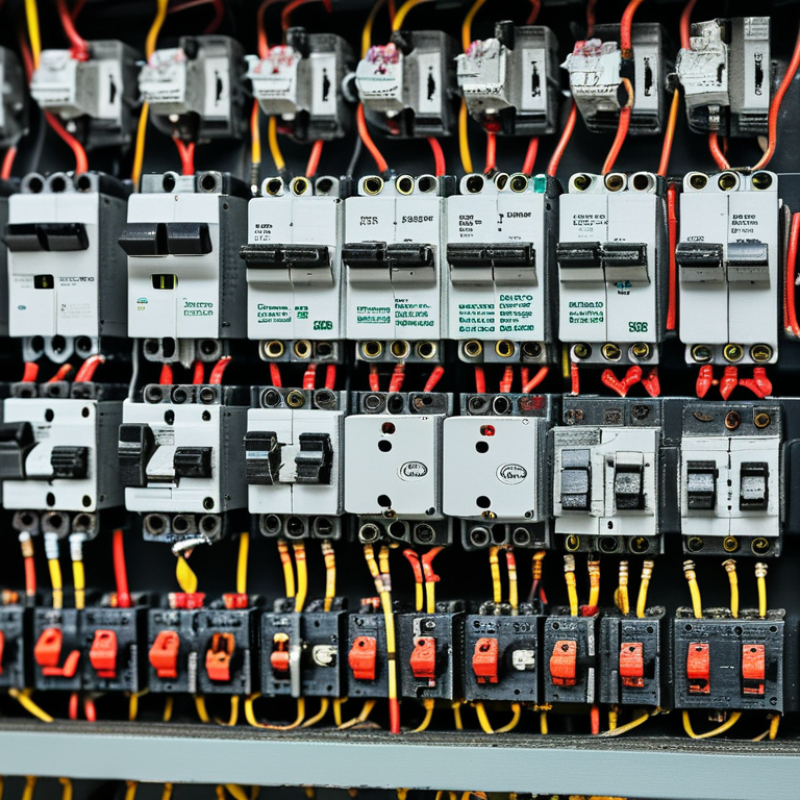
| Miniature Circuit Breaker (MCB) | Typically 0.5–125 A | Commonly 4.5–10 kA; higher ratings are available | Overload and short-circuit protection | Clear trip indication, secure terminals, consistent tripping characteristics, temperature resistance, and compliance with IEC 60898-1 | Low. Inspect terminals during scheduled electrical maintenance and test the circuit after a significant fault or overheating event. | Commonly 10–20 years in normal indoor service; operating-cycle life depends on the design and switching frequency. | High for standard circuits | Residential circuits, lighting, socket outlets, and small commercial loads |
| Residual-Current Circuit Breaker with Overcurrent Protection (RCBO) | Typically 6–125 A | Commonly 4.5–10 kA | Overload, short-circuit, and residual-current protection; common residual-current sensitivity is 30 mA for personal protection | Reliable residual-current sensing, correct trip-time performance, a functional test button, clear neutral-line identification, and compliance with IEC 61009-1 | Low to moderate. Test the residual-current function periodically using the test button and inspect terminals during routine maintenance. | Commonly 10–15 years in normal conditions; performance may be reduced by moisture, contamination, or frequent fault operation. | High where shock or leakage protection is required | Wet areas, outdoor circuits, residential final circuits, and equipment requiring individual leakage protection |
| Molded-Case Circuit Breaker (MCCB) | Typically 16–1,600 A | Commonly 18–100 kA, depending on frame size and voltage | Overload and short-circuit protection; optional adjustable protection, earth-fault protection, and accessories | Stable thermal and magnetic performance, robust housing, adjustable trip settings, reliable accessories, adequate temperature derating data, and compliance with IEC 60947-2 | Moderate. Check torque, insulation condition, trip settings, enclosure ventilation, and signs of overheating. Periodic secondary or primary injection testing may be appropriate for critical installations. | Commonly 15–25 years in suitable service; switching endurance varies significantly by frame size, interrupting duty, and operating mechanism. | High for industrial distribution | Industrial feeders, motor control panels, commercial buildings, and distribution boards with higher fault levels |
| Air Circuit Breaker (ACB) | Typically 630–6,300 A | Commonly 42–150 kA, depending on voltage and frame design | Adjustable long-time, short-time, instantaneous, and often earth-fault protection; supports selectivity and coordination studies | Strong mechanical construction, dependable draw-out contacts, accurate electronic trip-unit settings, tested short-circuit performance, and compliance with IEC 60947-2 | Moderate to high. Inspect and clean primary contacts, test trip functions, lubricate mechanisms where specified, verify interlocks, and perform periodic electrical tests. | Commonly 15–25 years when professionally maintained; operating-cycle life depends on the mechanism, fault interruptions, and switching duty. | High for critical high-current systems | Main switchboards, data centers, large commercial facilities, utilities, and industrial low-voltage power distribution |
| Residual-Current Circuit Breaker (RCCB) | Typically 16–125 A | Short-circuit protection must be provided by a separate upstream device | Residual-current protection only; does not provide overload or short-circuit protection | Correct residual-current sensitivity, dependable test-button operation, suitable immunity to nuisance tripping, and compliance with IEC 61008-1 | Low to moderate. Test periodically, verify correct upstream overcurrent protection, and investigate repeated nuisance trips. | Commonly 10–15 years in normal conditions, subject to environmental conditions and fault frequency. | Good when coordinated correctly | Circuits where separate overcurrent protection is already installed and multiple downstream circuits require residual-current protection |

.svg)