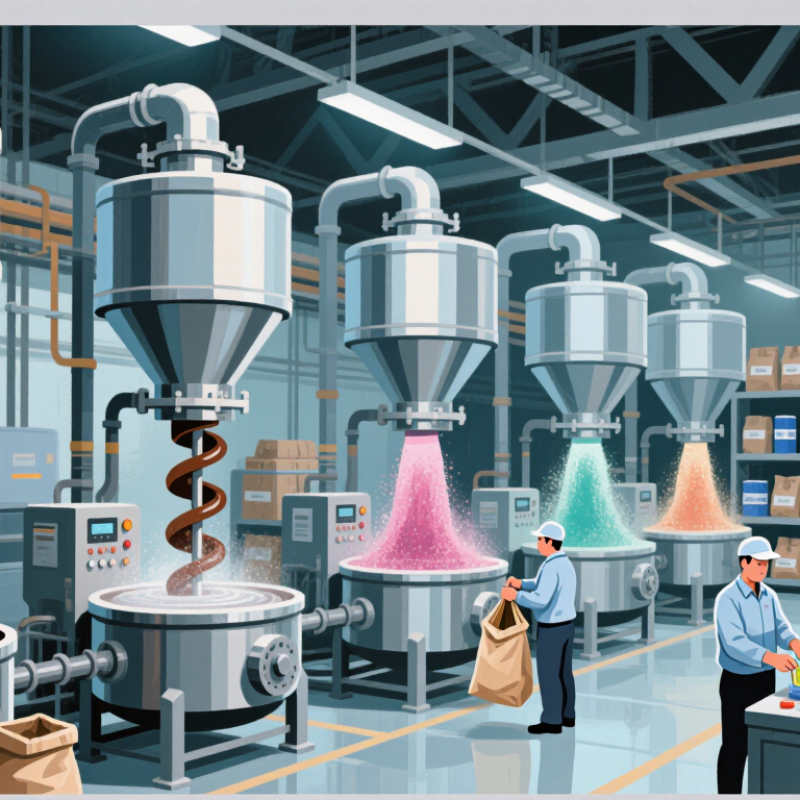
Industrial mixing machines combine liquids, powders, pastes, or granules into a more consistent batch. Typical components include a vessel, mixing element, shaft, drive system, and discharge point. The vessel’s shape and internal baffles guide circulation and help limit stagnant zones. Small details matter. A poorly positioned inlet can leave dry pockets, even when the motor sounds powerful. Operators should also check seals and shaft alignment; wear can affect performance and maintenance needs.
The drive system supplies the motion. An electric motor may connect through a gearbox, belt, or direct coupling, depending on the machine design. Gearboxes can reduce speed while increasing torque, which is useful for thick mixtures. Variable-speed controls let operators adjust the mixing action as materials change. More speed is not always better. Excessive agitation may introduce air, create heat, or stress delicate ingredients. The right setting depends on batch size, viscosity, and the result required.
Mixing relies mainly on three principles: bulk movement, shear, and molecular diffusion. An impeller moves material around the vessel, while shear helps break apart clumps or droplets. Diffusion gradually evens out small concentration differences. In practice, these actions overlap. A blend may look uniform near the surface but remain uneven at the bottom, so sampling from different points can reveal problems. Even then, one test cannot capture every batch variation.

.svg)