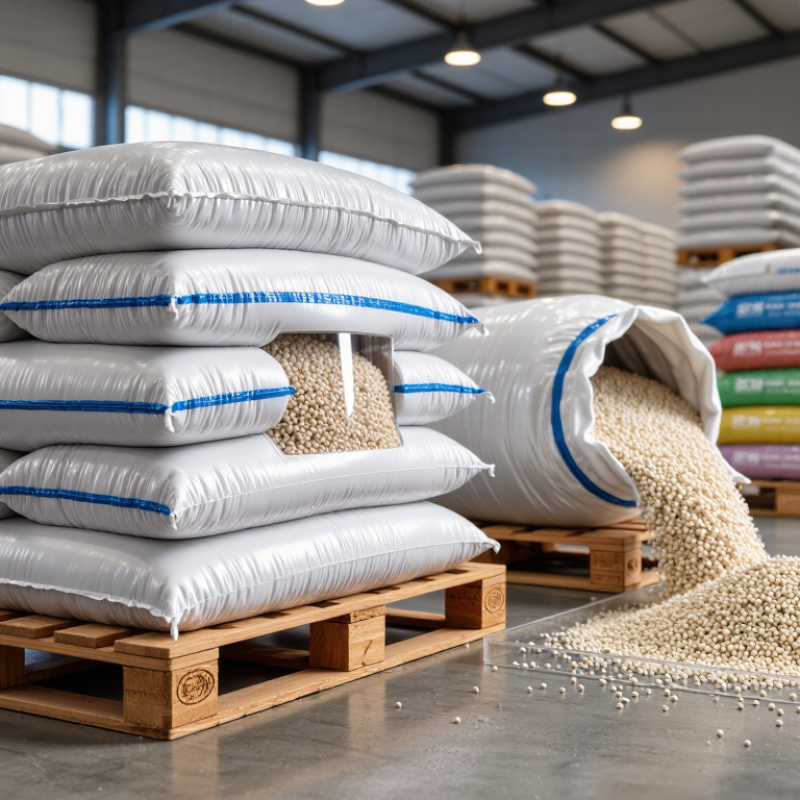
Global buyers should evaluate granular flower fertilizer suppliers beyond price. Request a current product specification, certificate of analysis, safety data sheet, and batch traceability records. These documents should identify nutrient percentages, granule size, moisture content, and recommended storage conditions. Ask for a pre-shipment sample.
Check the supplier’s export experience and production consistency. Photos of clean filling lines, sealed bags, and palletized cargo can reveal useful details. However, photos are not proof. An independent inspection may confirm weight, packaging strength, labeling, and batch numbers before loading. Confirm the correct HS code with a customs professional, because classification can vary by formulation and destination.
Shipping terms deserve careful attention. Compare FOB, CIF, and DDP quotations only after defining every cost. Include inland transport, port charges, duties, inspection fees, and storage. Fertilizer may require import permits, prior registration, or specific language on labels. Requirements differ widely between countries. Use moisture-resistant liners and strong outer bags, especially for humid routes. Sea freight usually lowers unit cost, while air freight suits urgent samples but can become expensive quickly. A spreadsheet helps, but it can still miss demurrage or seasonal delays. I would leave extra time. Mistakes happen.
Before placing a large order, agree on payment milestones, claim procedures, and replacement terms for damaged cargo. Keep all specifications in writing. A cheaper shipment is not necessarily a safer purchase.

.svg)