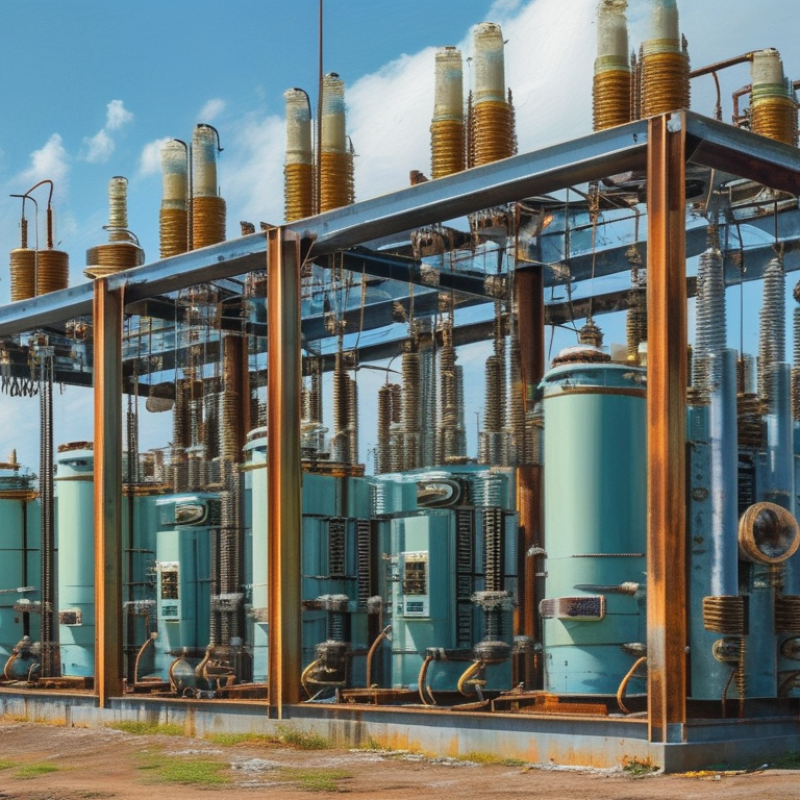
| Definition | An oil-filled transformer is a static electrical device that uses insulating liquid to provide electrical insulation and remove heat from its windings and core. | It enables efficient voltage transformation while supporting insulation performance and thermal control. |
| Basic Operating Principle | Alternating current in the primary winding creates a changing magnetic flux in the core. The flux induces a voltage in the secondary winding through electromagnetic induction. | The turns ratio determines whether the transformer steps voltage up or down while maintaining the same frequency. |
| Main Internal Components | Magnetic core, high- and low-voltage windings, insulating liquid, tank, bushings, tap changer, radiators or cooling fins, conservator tank, and protective devices. | Each component contributes to voltage transformation, insulation, heat dissipation, connection, or protection. |
| Insulating Liquid | Mineral insulating oil is widely used. Ester-based insulating liquids may also be selected where higher fire safety, biodegradability, or environmental performance is required. | The liquid must provide adequate dielectric strength, thermal conductivity, chemical stability, and compatibility with internal materials. |
| Cooling Method | Small and medium units commonly use natural oil circulation and natural air cooling. Larger units may use directed oil flow, fans, pumps, or combinations of natural and forced cooling. | Cooling capacity limits the transformer’s allowable continuous load and helps control insulation aging. |
| Voltage Conversion | Distribution transformers commonly reduce medium voltage to utilization voltage. Power transformers may increase or decrease voltage between transmission and subtransmission networks. | The required voltage ratio depends on the electrical network and connected equipment. |
| Common Applications | Utility distribution substations, industrial facilities, commercial buildings, renewable-energy collection systems, traction power systems, and generation or transmission substations. | Oil-filled designs are suitable for outdoor and high-capacity installations where efficient cooling and long service life are important. |
| Typical Rating Range | Ratings range from small distribution units of several tens or hundreds of kVA to large power transformers rated in tens or hundreds of MVA. | Actual ratings depend on voltage class, cooling system, installation conditions, load profile, and applicable standards. |
| Key Advantages | High thermal efficiency, effective insulation, strong overload capability when properly designed, suitability for high ratings, and generally long operating life. | These characteristics make oil-filled transformers practical for demanding outdoor and utility applications. |
| Important Limitations | Mineral oil is combustible, leaks can affect the environment, and the equipment requires containment, fire-safety planning, and periodic oil-condition monitoring. | Site design may require bunds, oil-collection systems, fire barriers, alarms, or alternative insulating liquids. |
| Routine Visual Inspection | Check for oil leaks, tank corrosion, damaged bushings, abnormal noise, unusual vibration, blocked radiators, loose connections, and signs of overheating. | Early detection can prevent insulation damage, reduced efficiency, unplanned outages, and safety incidents. |
| Insulating Liquid Tests | Common tests include dielectric breakdown voltage, moisture content, acidity, interfacial tension, color, resistivity, and dissolved gas analysis. | Results help identify moisture, oxidation, overheating, arcing, partial discharge, or other developing faults. |
| Dissolved Gas Analysis | DGA evaluates gases such as hydrogen, methane, ethane, ethylene, acetylene, carbon monoxide, and carbon dioxide dissolved in the insulating liquid. | Gas patterns can indicate thermal faults, electrical discharges, paper insulation overheating, or abnormal aging. |
| Electrical Condition Tests | Testing may include insulation resistance, winding resistance, turns ratio, excitation current, power factor or dissipation factor, and protective-device checks. | Trend comparisons help identify winding problems, insulation deterioration, tap-changer issues, or connection defects. |
| Temperature Monitoring | Monitor top-liquid temperature, winding temperature where available, ambient temperature, and cooling-equipment operation. | Excessive temperature accelerates paper insulation aging and may indicate overload, restricted cooling, or an internal fault. |
| Maintenance Frequency | Visual checks are often performed regularly, while oil sampling and electrical testing are scheduled according to operating conditions, criticality, manufacturer guidance, and local standards. | There is no universal interval; heavily loaded, older, or critical transformers generally need more frequent assessment. |
| Typical Protective Devices | Common devices include pressure-relief equipment, oil-level indicators, temperature indicators, sudden-pressure or gas-actuated relays, surge arresters, and overcurrent protection. | Protection limits damage and provides alarms or trip signals when abnormal electrical, thermal, or mechanical conditions occur. |
| Service-Life Factors | Load level, hot-spot temperature, moisture, oxygen exposure, contamination, short-circuit forces, switching events, and maintenance quality influence service life. | Managing thermal stress and keeping the insulation system dry and clean can significantly slow aging. |

.svg)