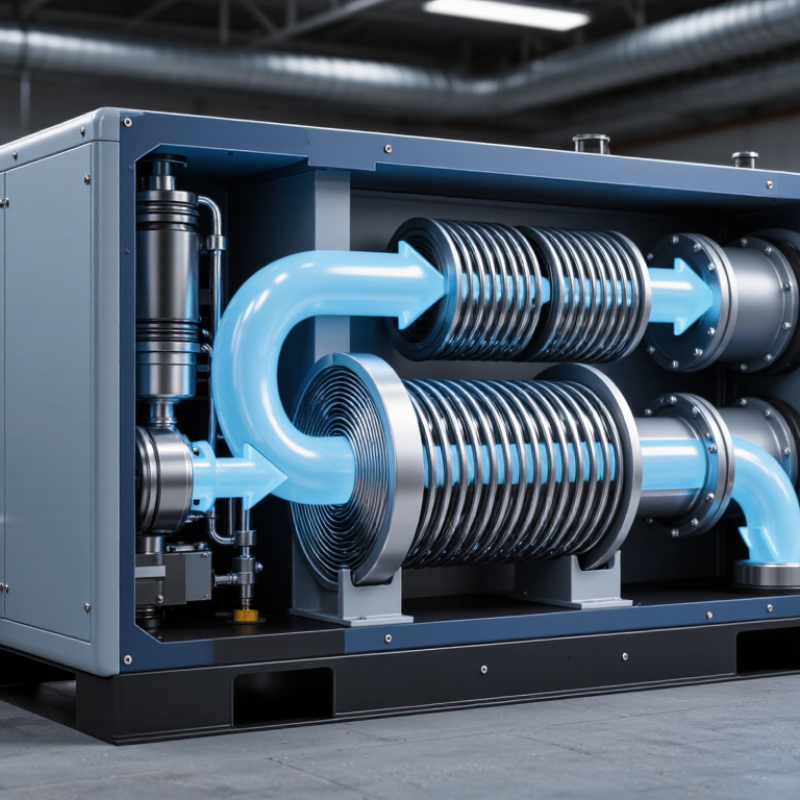
Screw air compressors serve many workplaces because they deliver steady compressed air for long operating periods. Manufacturing lines use them for pneumatic tools, actuators, packaging equipment, and CNC machinery. Workshops often rely on smaller units for spray equipment, impact wrenches, and tire service. Construction sites may use compressors for drilling and surface preparation, although dusty conditions demand stronger filtration.
Air quality requirements vary by application. Food, pharmaceutical, and electronics operations usually need carefully treated air, not just a compressor. Dryers, filters, and suitable condensate control help reduce moisture, oil carryover, and particle contamination. An oil-free design may be appropriate in sensitive areas, but the complete air system still needs regular testing. The compressor alone cannot guarantee clean air.
Maintenance begins with daily observation. Check unusual noise, rising discharge temperature, pressure changes, and oil leaks. Inspect intake filters and clean coolers before dust becomes a thick layer. Replace oil, oil filters, and separators according to operating hours and site conditions. Drain condensate safely, and inspect hoses for small leaks. A faint hiss can waste significant energy over time.
Keep records.
Technicians should also check belts, couplings, valves, and vibration trends. Follow the service instructions for clearances and lubricant selection. A perfect schedule is rarely perfect; heavy dust, heat, and stop-start operation can shorten service intervals. Ignoring those conditions is a common maintenance mistake. Shutdowns may then arrive during the busiest production shift.

.svg)