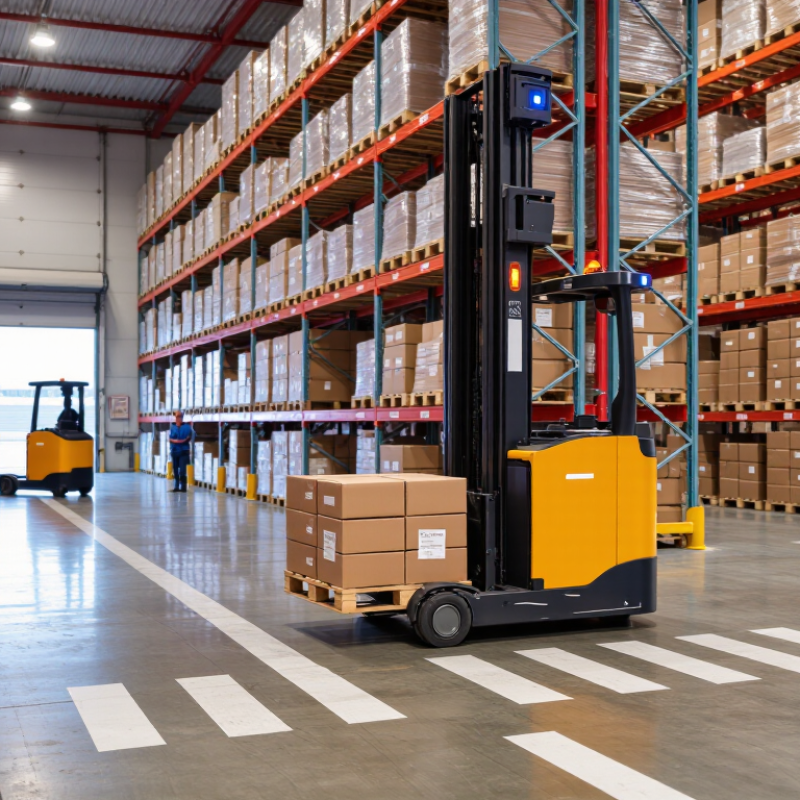
An Automated Forklift can move pallets, reduce repetitive driving, and support more consistent material handling. Yet choosing one is not just a matter of comparing speed or price. The right machine must fit your facility, your loads, and the way people work around it. A narrow aisle, uneven floor, or frequently changing pallet position can affect performance. Small mismatches matter. They can turn an impressive demonstration into a difficult daily operation.
This guide shares seven practical tips for evaluating an automated forklift before you buy. It looks at load capacity, route design, navigation, safety features, system integration, service support, and total cost of ownership. Start with real operating details: measure aisle widths, record typical load weights, and map busy crossings near docks or packing stations. Ask suppliers to explain how the truck behaves when a route is blocked or a pallet is misplaced. Then test the proposed setup in conditions that resemble your actual shifts. A smooth demo is useful, but it does not answer every question.
There is no universal best model. A system that suits a high-volume warehouse may be unnecessary for a smaller site. And estimates deserve a second look. Comparing options carefully can help you choose equipment that fits both today’s workflow and realistic future needs.
7 Tips for Buying an Automated Forklift
Assess Your Material-Handling Needs and Operating Environment
Begin with the load, not the machine. Record pallet weights, dimensions, lifting heights, and daily movement patterns. A forklift that handles standard pallets may struggle with unstable or oversized loads. Measure aisle widths, doorway clearances, rack spacing, and turning areas. Small errors here can create expensive bottlenecks.
Study the working environment carefully. Note floor joints, slopes, wet zones, dust, temperature changes, and lighting conditions. Map pedestrian routes and areas where workers cross vehicle paths. Automation reduces some risks, but it does not remove poor layout decisions. I once underestimated floor unevenness; the resulting slowdowns affected every delivery cycle. That mistake was preventable.
Check whether the vehicle can connect with your warehouse software, doors, lifts, charging points, and storage systems. Ask for trial data using your actual pallets and routes. Test stopping accuracy near people and fixed equipment. Review battery endurance, recovery procedures, maintenance access, and manual recovery options. Reliable operation depends on clear responsibilities, staff training, and regular inspections. Collect feedback from operators and maintenance teams before choosing equipment. Their practical observations may expose problems that a sales demonstration hides. Expect some uncertainty. Real facilities are rarely as tidy as drawings suggest.

.svg)