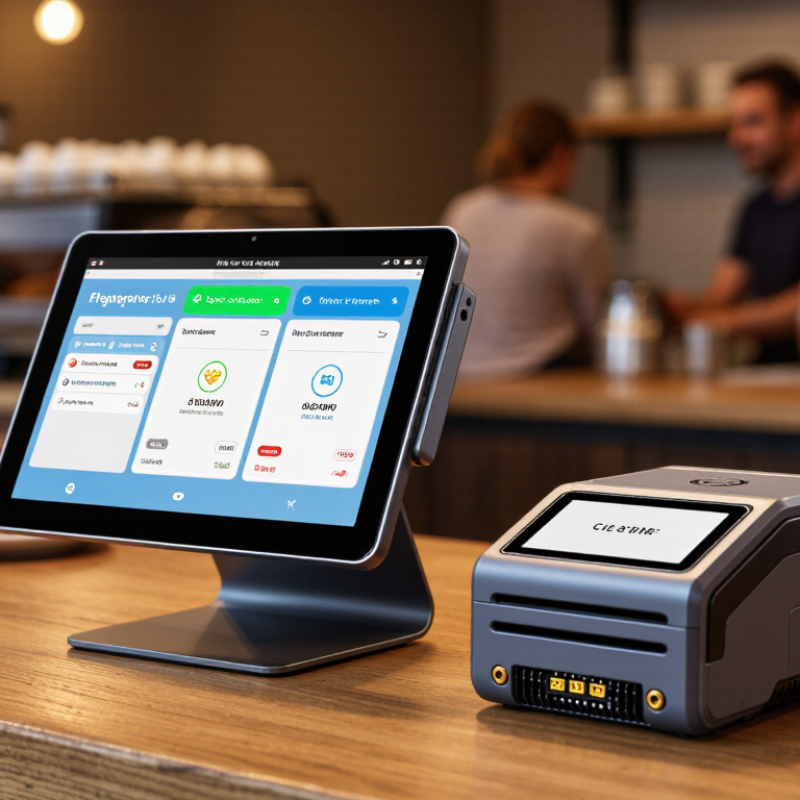
When a POS terminal serves customers through an eight-hour shift, its battery becomes a business-critical component. Choose a supplier that provides clear cell specifications, tested capacity, and documented safety controls. Ask about operating temperature, charge cycles, storage limits, and compatibility with your exact terminal model. Generic capacity claims can look impressive but perform poorly at a busy checkout.
Check the supplier’s technical evidence. Request recent test reports, inspection records, and traceable production information from qualified laboratories. A reliable supplier should explain how batteries are tested before shipment. They should also offer replacement procedures when capacity drops unexpectedly. Response time matters. A dead terminal can stop payments, printing, and inventory work within minutes.
Read the warranty before placing a large order. Confirm its duration, covered defects, capacity threshold, shipping responsibility, and claim process. Ask whether the supplier provides troubleshooting support by email or phone. Keep invoices, batch numbers, installation dates, and failure photos in one file. This makes warranty claims faster. I once treated warranty wording as routine paperwork, and that caused avoidable delays. The lesson was uncomfortable: attractive pricing cannot replace dependable support. Also, verify whether replacement batteries are available for several years, not only during the first sales season. Reliable service requires evidence, patience, and a supplier willing to answer difficult questions.

.svg)