7 Tips for Sourcing Function T Shirt and Inner Wear
Sourcing Function T-shirt & Inner Wear is not simply a search for attractive fabrics and competitive prices. It requires practical judgment, textile knowledge, and careful supplier verification. A garment may look excellent on a sample table, yet feel heavy, trap heat, or lose shape after several washes. Small details matter. Stitch density matters. So does drying time.
Patagonia founder Yvon Chouinard has often expressed a useful product principle: “The best thing we can do for the planet is make products that last.” That idea fits functional apparel sourcing closely. Buyers should examine fiber composition, moisture management, breathability, stretch recovery, odor control, and skin comfort. They should also review factory experience, testing records, production capacity, and communication habits. A supplier’s polished presentation proves little. Consistent evidence matters more.
This guide introduces seven practical tips for selecting reliable Function T-shirt & Inner Wear suppliers. It considers fabric performance, sample evaluation, size consistency, certifications, cost structure, lead times, and quality control. You will see why a low quotation can become expensive after returns, rework, or customer complaints. Real sourcing is rarely perfect. A promising factory may miss one detail. A strong sample may hide production risks. That is why buyers need clear specifications, written approval standards, and repeat testing. Feel the fabric. Wash it. Wear it during movement. Then question the result.
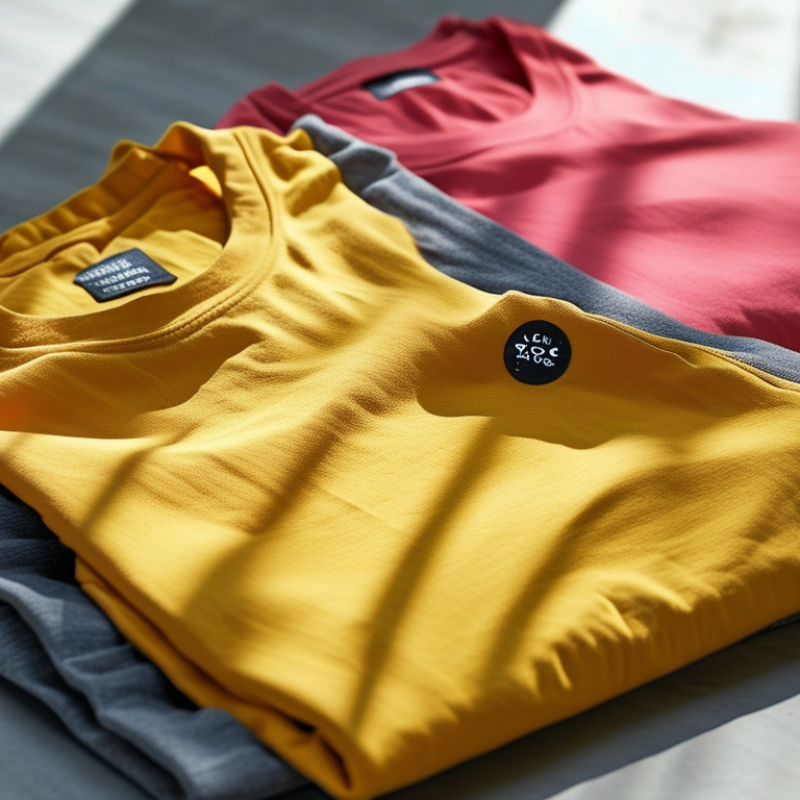
Define Performance Needs and Target Users
Before sourcing functional T-shirts or innerwear, define the wearer, activity, climate, and failure risk. A commuter cycling in humid weather needs quick drying and odor control. A warehouse worker may need abrasion resistance, stretch, and stable seams. Casual users may value softness more than extreme compression. The World Health Organization recommends 150–300 minutes of moderate activity weekly for adults. That broad range shows why “activewear” is not one clear user group.
Translate each need into measurable specifications. Set fabric targets for drying time, air permeability, stretch recovery, pilling, colorfastness, and seam strength. For close-fitting innerwear, test chafing around the armhole, waistband, and inner thigh. Ask testers to wear samples for several hours, not only inspect them on a table. Textile Exchange’s Materials Market Report 2024 estimates global fiber production reached 124 million tonnes in 2023 and may approach 160 million tonnes by 2030. Material selection therefore needs performance evidence and resource awareness. Recycled content alone does not prove comfort or durability.
Small details expose weak assumptions. A T-shirt can dry quickly but still feel clammy under a backpack. Waist elastic can pass a stretch test and pinch during movement. I have seen sourcing briefs describe “premium performance” without defining temperature, washing cycles, or user size ranges. That is not precise enough. Start with real wear scenarios, then require lab results and user trials before approving bulk production.
7 Tips for Sourcing Functional T-Shirts and Innerwear
Define performance needs and target users before selecting fabrics, construction methods, and suppliers.
This 100-point procurement framework prioritizes moisture management, comfort, odor control, durability, stretch recovery, UV protection, and easy care. Active commuters emphasize moisture management and odor control, gym users prioritize comfort and stretch recovery, while outdoor workers require durability and UV protection.

.svg)


