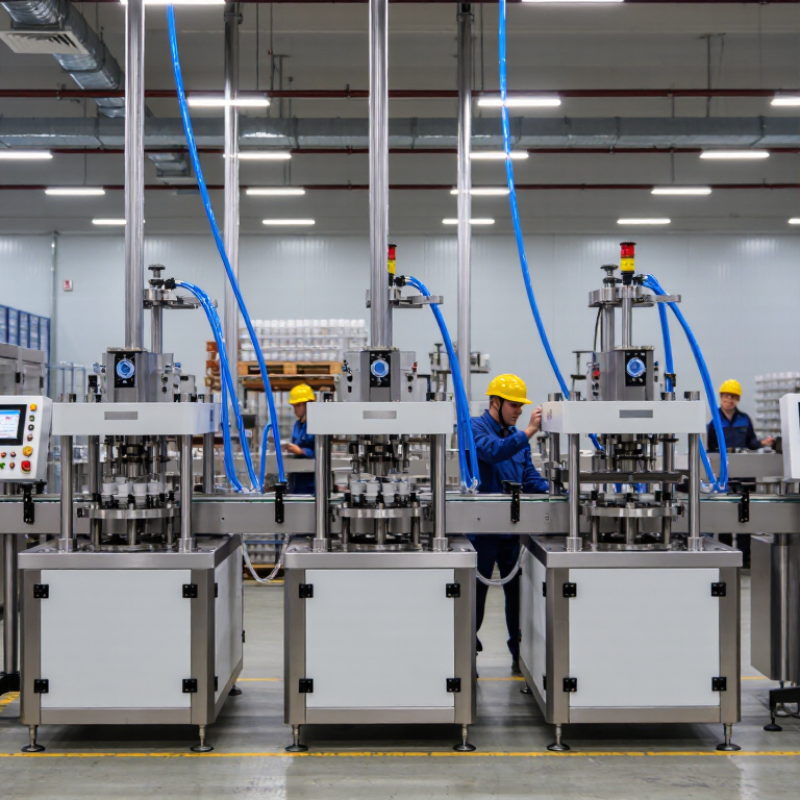
Plastic cup lid production now depends on matching machine architecture with material, geometry, and volume. Injection molding systems suit rigid lids with precise drinking openings and stacking ribs. Thermoforming lines use heated sheet, forming tools, trimming stations, and automatic nesting. Compression molding can reduce material stress, especially for thin closures.
According to Grand View Research, the global plastic packaging market reached about USD 427 billion in 2023. Its forecast indicates continued growth through 2030. This pressure encourages manufacturers to improve output without sacrificing consistency. Modern injection systems may use eight to forty-eight cavities, depending on lid size and mold design. Servo-driven units commonly reduce movement losses and improve energy control. Thermoforming lines often deliver 20 to 60 cycles per minute, but actual output depends on cooling time and trimming accuracy.
Material choice matters. Polypropylene offers heat resistance and living-hinge performance, while polyethylene can provide greater flexibility. Recycled content may require stronger drying, filtration, and process monitoring. Plastics Europe reported global plastics production of roughly 414 million tonnes in 2023, showing the scale of the supply chain. Still, volume alone proves little. A fast machine can create more rejects. No machine is perfect.
When comparing the top ten manufacturers, buyers should inspect mold-change time, cavity balance, automation depth, cooling capacity, and quality-control systems. Production claims need independent testing. A practical factory trial should measure hourly output, scrap rate, lid fit, and energy use under real conditions. Even small design differences can disrupt stacking or sealing. That detail is easy to underestimate.

.svg)