Food Safety Insights

In Eagle’s Advanced Insights Blog, experts share their know-how by keeping you up-to-date with the latest trends to ensure your inspection equipment keeps your products safe. Eagle is an industry leader when it comes to performance and innovation, and we’ll share the news that’s important to you to enhance your quality assurance program.

Suggest topic you would like to see at:

sale@generalmachinery.org

China Top 10 Unionwell Automotive Plunger Switch Suppliers?

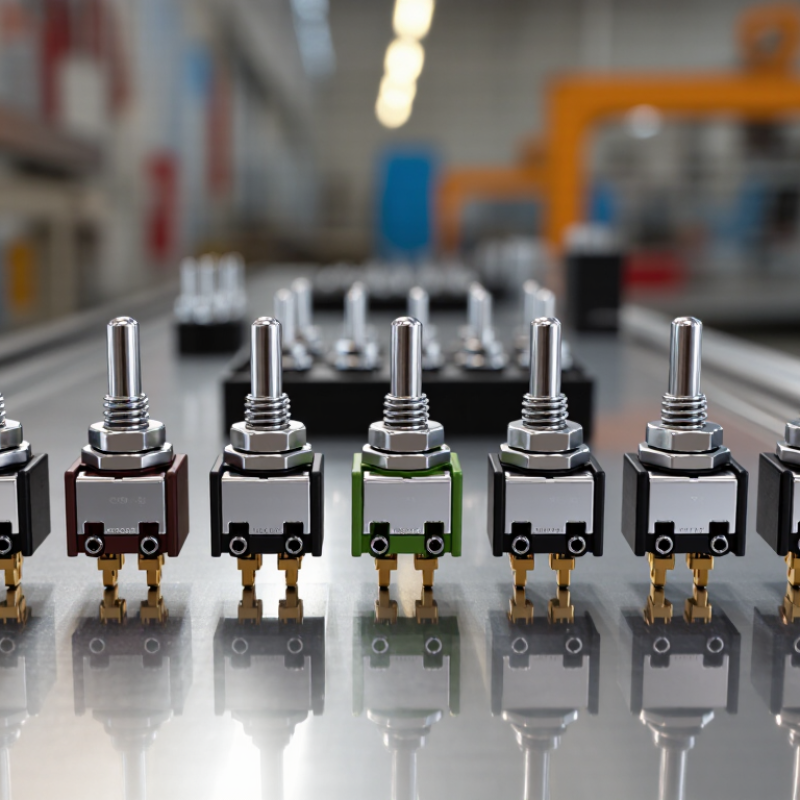
China’s automotive component market includes many plunger switch manufacturers, but supplier selection requires more than a low quoted price. A reliable Unionwell automotive plunger switch supplier should demonstrate stable contact performance, consistent dimensions, and practical production experience. These details matter when a switch operates inside a hood latch, brake pedal assembly, door sensor, or seat mechanism.

Automotive electrical engineer Daniel Wu explains, “A dependable plunger switch must respond consistently, even when vibration, dust, and repeated compression challenge its design.” This view reflects an important purchasing reality. Buyers should examine operating force, travel distance, contact arrangement, terminal quality, sealing options, and temperature resistance. Factory audits also reveal useful details. Look for organized testing benches, traceable samples, calibrated measuring tools, and clear inspection records. A polished brochure is not enough.

This guide introduces China’s top 10 Unionwell automotive plunger switch suppliers and considers their strengths, applications, and manufacturing credibility. The comparison will focus on product consistency, customization support, delivery capability, and after-sales communication. Some suppliers may appear strong on paper but provide limited evidence. That deserves caution. Even experienced buyers can overlook small differences in actuator length or mounting tolerance. A switch may fit during a sample test, then fail after thousands of cycles. This is why direct testing remains essential. Supplier rankings are useful, but they are not absolute. Actual vehicle conditions, purchasing volume, and design requirements can change the final choice.

China Top 10 Unionwell Automotive Plunger Switch Suppliers?

What Is an Automotive Plunger Switch and How Does It Work?

An automotive plunger switch is a compact electromechanical sensor with a spring-loaded stem. It changes an electrical circuit when a vehicle part presses the stem. Common locations include doors, hoods, trunks, pedals, and seat mechanisms. Some switches are normally open, while others are normally closed.

The operation is simple. A door closes, pushing the plunger inward. Internal contacts then open or close, sending a signal through the wiring harness. A body control module may use this signal to control interior lighting, alarms, or dashboard warnings. In older systems, the switch can operate a lamp directly. In newer vehicles, software interprets the signal.

Small details matter. During service, I check continuity with a multimeter while moving the plunger slowly. The reading should change cleanly, without sudden gaps. I also inspect loose terminals, cracked insulation, and water around the mounting hole. Vibration, dust, temperature changes, and repeated impacts can shorten service life. A switch may look normal but still create intermittent faults.

Installation needs careful alignment. If the plunger is pressed too far, the contacts may wear early. If it barely moves, the signal may remain unstable. Selecting a suitable travel distance, contact rating, sealing level, and connector is essential.

One limitation deserves attention: a basic plunger switch only reports position. It cannot confirm whether the related mechanical part is truly safe or fully locked.

Why Unionwell Automotive Plunger Switches Matter in Vehicle Systems

Automotive plunger switches play a small but critical role in vehicle systems. They detect movement, position, pressure, or closure. A door switch may activate a warning lamp when the latch moves. A brake switch can signal control modules during pedal operation. Small errors can create confusing faults.

When comparing suppliers in China, buyers should examine contact materials, spring strength, sealing, and electrical ratings. The switch must match the vehicle’s voltage, current, temperature range, and mechanical travel. A reliable supplier should provide inspection records, sample testing, and traceable production details. In practical testing, repeated pressing matters. Vibration, dust, moisture, and sudden temperature changes can expose weak designs. A switch may look perfect on paper, yet fail after thousands of cycles. That possibility deserves honest attention.

Tips: Confirm the actuator’s travel before installation. Check whether the mounting thread fits tightly. Test the switch under real load, not only with a multimeter. Ask for cycle-life data and environmental test results. Leave enough clearance around the plunger. Excessive side pressure can cause uneven wear. Do not ignore a slightly delayed response; it may indicate contact fatigue. A low purchase price can become expensive after repeated replacements. Specification sheets help, but hands-on validation remains necessary.

Key Criteria for Evaluating China’s Top Unionwell Suppliers

Evaluating China’s leading automotive plunger switch suppliers requires more than comparing quoted prices. A practical review should begin with factory capability, engineering experience, and production consistency. Ask whether the supplier controls stamping, molding, assembly, and testing internally. Visit the facility when possible. Observe material storage, clean work areas, and operator training. Photos alone can mislead.

Request samples from regular production lines, not specially prepared units. Measure operating force, travel distance, contact resistance, and return speed. Test switches under vibration, moisture, dust, and temperature changes. Automotive components often face repeated pressure near doors, pedals, seats, and engine compartments. A reliable supplier should provide cycle-life data, inspection records, and clear traceability for each batch. Certification helps, but it never replaces physical testing.

Communication also reveals professional maturity. Engineers should explain tolerances, failure risks, and proposed design changes in practical language. Check whether drawings, control plans, and inspection reports match the delivered samples. Confirm packaging details, labeling, lead times, and corrective-action procedures. Small inconsistencies matter. A delayed reply may become a delayed shipment. However, no supplier is perfect; even experienced factories can overlook a weak spring or unstable plating layer. Independent validation remains necessary, especially before large-volume purchasing. Supplier performance should be reviewed again after several production batches.

China’s Top 10 Unionwell Automotive Plunger Switch Suppliers

China’s top 10 automotive plunger switch suppliers serve applications such as door latches, pedals, hoods, and seat mechanisms. Their products usually combine a spring-loaded actuator, sealed housing, and corrosion-resistant terminals. A reliable supplier should provide contact ratings, operating force, travel distance, and electrical-life data. These details matter more than attractive catalog photos.

In practical sourcing, request samples from all ten suppliers before approving production. Check whether each switch works consistently after dust exposure, vibration, moisture, and repeated pressing. Automotive projects may require stable performance from -40°C to 125°C, depending on installation. Ask for traceable inspection records and lot-based testing. Factory audits can reveal weak assembly controls or unclear material sources. Some suppliers respond quickly but offer limited engineering support. Others provide strong testing yet need longer tooling schedules. That trade-off deserves attention. The ranking is not absolute. It can change with order size, customization, certification needs, and delivery performance. A small error in plunger length may cause intermittent contact, even when the sample appears acceptable. Keep this risk visible. Supplier reviews should continue after mass production begins, using return rates, field feedback, and periodic sample checks.

Automotive plunger switches are used across different vehicle electrical architectures. The chart compares common nominal system-voltage segments, from conventional passenger vehicles to high-voltage electric vehicles. These reference values describe application environments rather than supplier or brand performance.

How to Select the Right Unionwell Supplier for Your Application

Selecting the right automotive plunger switch supplier begins with the application, not the catalog. Define operating voltage, current load, travel distance, actuator force, and installation space. Check temperature, dust, moisture, vibration, and expected switching cycles. A switch beside a heated engine component needs different protection than one inside a cabin.

Ask suppliers for measured test data, not broad performance claims. Review electrical-life results, contact resistance, sealing ratings, material specifications, and traceability records. Request samples from the same production line used for volume orders. Test them with your actual connector, wiring, mounting bracket, and load. Small differences in alignment can cause intermittent signals.

Supplier experience also matters. A capable partner should explain tolerance control, inspection methods, change management, and failure analysis. Confirm whether they support prototypes, pilot runs, and stable production schedules. I once trusted a promising sample without checking actuator wear after repeated side loading. That mistake delayed validation. Real-world testing exposes details that factory drawings may miss.

Compare communication quality as carefully as price. Clear drawings, prompt corrective actions, and consistent technical answers indicate stronger control. Ask how rejected parts are contained and how replacement batches are verified. Do not overlook packaging; crushed terminals or mixed lots can create expensive confusion. A lower quotation may hide testing gaps, tooling limits, or weak after-sales support. Select the supplier that can prove repeatable performance under your exact conditions.

China Top 10 Unionwell Automotive Plunger Switch Suppliers? - How to Select the Right Unionwell Supplier for Your Application
Supplier-Neutral Evaluation Matrix for Automotive Plunger Switch Applications
No. Evaluation Dimension Automotive Requirement Practical Screening Benchmark Evidence to Request Best Application Fit
01 Switch Configuration Select normally open, normally closed, changeover, momentary, or maintained operation according to the circuit logic. The contact arrangement should match the control unit without relying on field modifications. Approved wiring diagram, contact-state diagram, and sample continuity test. Door, hood, trunk, pedal, brake, clutch, and position detection.
02 Electrical Rating The switch must handle the actual voltage, current, inrush, inductive load, and duty cycle of the vehicle circuit. Use a rating suitable for the load type; resistive and inductive ratings should be reviewed separately. Rated-load test report, derating curve, contact-material specification, and load-life data. Low-current signal circuits and direct control of lamps, relays, or actuators.
03 Mechanical Life Repeated plunger operation should not cause excessive contact resistance, sticking, or loss of switching accuracy. For frequently operated functions, compare mechanical life and electrical life under the intended load. Life-cycle test conditions, operating speed, load profile, failure criteria, and post-test measurements. Brake-pedal, clutch-pedal, shift-position, and repeated door applications.
04 Operating Temperature Materials, lubricants, seals, and contact systems must remain stable across the temperature range of the installation location. Screen for a minimum range of approximately -40°C to +85°C, then confirm the vehicle-specific requirement. Temperature-cycle results, low-temperature actuation data, and high-temperature electrical measurements. Engine compartments, exterior body panels, cabins, and underbody locations.
05 Ingress and Contamination Protection The housing and sealing system should resist water, dust, mud, oil mist, cleaning agents, and road contaminants. Select the enclosure protection level according to exposure; commonly reviewed levels include IP54, IP65, or higher. Ingress-protection report, sealing drawings, material compatibility data, and contamination test results. Exterior doors, tailgates, hood latches, wheel-area mechanisms, and underbody systems.
06 Actuation Characteristics Plunger travel, operating force, release force, overtravel, and switching position must suit the mechanical tolerance stack-up. Require defined actuation and release points with sufficient overtravel to prevent incomplete switching. Force-travel curve, tolerance range, dimensional drawing, and sample measurement records. Latch detection, pedal position sensing, limit detection, and end-stop monitoring.
07 Vibration and Shock Resistance The switch should maintain contact stability and mechanical integrity under vehicle vibration and impact loads. Evaluate resonance, contact bounce, terminal retention, and housing damage under the vehicle’s vibration profile. Vibration and shock test method, frequency range, acceleration level, duration, and failure limits. Powertrain areas, chassis systems, doors, seats, and commercial-vehicle installations.
08 Terminal and Connector Design Terminals must provide secure crimping or soldering, low contact resistance, and compatibility with the vehicle harness. Confirm terminal plating, wire range, retention force, sealing method, and connector mating-cycle requirements. Terminal drawings, crimp-pull results, contact-resistance data, and harness compatibility samples. High-volume harness assemblies and applications requiring quick installation.
09 Quality and Traceability Consistent production control is essential because small dimensional or contact variations can affect vehicle safety signals. Prefer documented incoming, in-process, and final inspection with batch-level traceability. Control plan, process-flow chart, inspection records, change-control procedure, and corrective-action history. Safety-related signals, high-volume programs, and long-term replacement supply.
10 Customization and Supply Capability A suitable supplier should support drawings, prototypes, tooling, engineering changes, packaging, and stable mass production. Assess sample lead time, minimum order quantity, production capacity, tooling ownership, and continuity planning. Prototype schedule, capacity statement, packaging specification, change-notification policy, and delivery-performance data. Special plunger lengths, mounting dimensions, cable assemblies, sealed housings, and private-label projects.
Selection note: Technical ratings are application-dependent. Confirm every value against the supplier’s current datasheet, validation report, applicable automotive requirements, and your actual load, temperature, sealing, vibration, and life-cycle conditions before approval.

Any Questions? We Are Here for You

Contact Us

Contact Us

Request information

Ask us a question
Service Support

Service Support

Available 24 hours a day, 7 days a week.

Get in Touch
Find a representative

Find a representative

Contact your local representative

View Locations