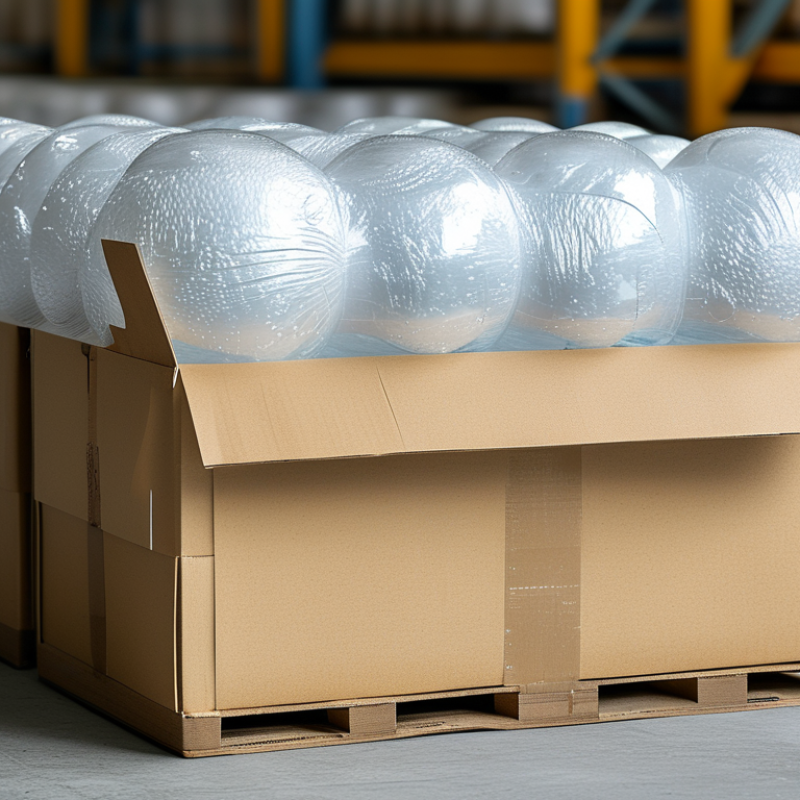
A useful Top 10 air bubble wrap supplier list should compare more than catalogue size. Product range matters because exporters may need standard rolls, perforated sheets, anti-static film, laminated grades, and custom widths. Smithers’ report, The Future of Packaging: Global Forecasts to 2028, identifies e-commerce and protective packaging as continuing demand drivers. Suppliers with several film structures can support changing shipment profiles without repeated tooling.
Quality must be tested, not assumed. Compare bubble diameter, film thickness, seal strength, recycled content, and performance after compression. ASTM D1596 offers a recognized method for evaluating cushioning materials under impact. In practical purchasing, request samples packed around glassware, electronics, and sharp-edged parts. Small failures become expensive claims. Pricing should include film yield, carton space, freight, and minimum order quantities. Not every low quote is cheap.
Production capacity separates dependable suppliers from attractive sales listings. Ask for monthly output, backup lines, lead-time records, and quality-control procedures. The 2023 U.S. EPA Facts and Figures report states that containers and packaging represented 28.1% of U.S. municipal solid waste generation in 2018, reinforcing the need to review material efficiency and recyclability. A lower-plastic design may reduce waste, but it can lose cushioning performance. I would not rank suppliers by capacity alone; a large factory with inconsistent thickness creates operational risk. Each score should reflect verified samples, recent test reports, and transparent production evidence.

.svg)