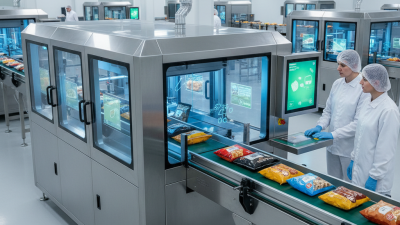
Food Safety Insights

In Eagle’s Advanced Insights Blog, experts share their know-how by keeping you up-to-date with the latest trends to ensure your inspection equipment keeps your products safe. Eagle is an industry leader when it comes to performance and innovation, and we’ll share the news that’s important to you to enhance your quality assurance program.

Suggest topic you would like to see at:

sale@generalmachinery.org

Top 10 Food Inspection Equipment in China for Global Buyers?

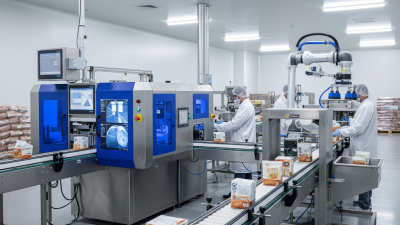
In today's global food industry, food safety is paramount. Food inspection equipment ensures that products meet safety standards. With increasing concerns over food contamination, reliable testing tools have become essential. China plays a significant role in the production of these crucial devices.

Many buyers seek effective food inspection equipment to maintain quality. Chinese manufacturers offer a wide range of options. From metal detectors to chemical analyzers, the variety is impressive. However, selecting the right equipment poses challenges. Buyers must consider factors such as accuracy, reliability, and cost.

This guide explores the top 10 food inspection equipment in China. It sheds light on their features and benefits. Understanding these tools can help businesses enhance their food safety measures. Investing in quality equipment is a step towards maintaining consumer trust. In an ever-evolving market, making informed choices is key.

Top 10 Food Inspection Equipment in China for Global Buyers?

Top Trends in Food Inspection Equipment in China's Market

China's food inspection equipment market is evolving rapidly. Recent reports indicate a substantial growth rate, projected at 8.5% annually through 2027. This growth is driven by increasing consumer awareness and stringent safety regulations. A significant demand exists for advanced technologies like X-ray and metal detectors. These tools ensure compliance and enhance food safety.

In recent years, mobile inspection units have gained traction. These units allow for on-the-go evaluations, providing flexibility for food manufacturers. Moreover, automation is reshaping the industry. Many companies adopt automated systems to streamline inspection processes and reduce human error.

Data suggests that over 70% of buyers prioritize reliability and accuracy in these products. However, challenges remain. Many manufacturers struggle with the integration of new technologies. Training personnel often falls short, leading to inefficiencies. With continuous innovation and a focus on improving training, the sector can address these issues and better meet global standards.

Key Features and Technologies of Leading Food Inspection Devices

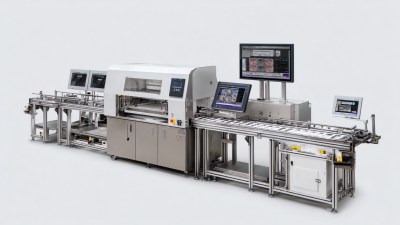
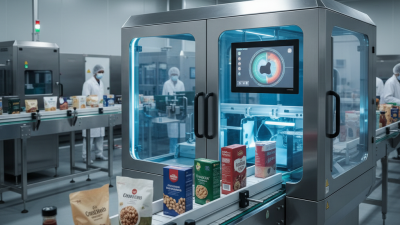
In the food industry, inspection equipment plays a critical role in ensuring safety and quality. Leading devices utilize advanced technologies for real-time analysis and precision. Many machines are equipped with X-ray systems to detect foreign objects in packaged food. This feature enhances the reliability of food inspection processes.

Another noteworthy technology is near-infrared spectroscopy. It provides rapid chemical analysis without damaging the food products. Many buyers appreciate this non-invasive approach, which helps maintain product integrity. Additionally, metal detectors remain crucial in identifying metallic contaminants. They can effectively improve food safety standards across various sectors.

Despite the advancements, challenges exist. Equipment calibration is vital for accuracy but often overlooked. Regular maintenance is essential to keep machines in optimal condition. Buyers also report difficulties in finding reliable service providers. These gaps indicate a need for enhanced training and support in the industry. Addressing these issues can lead to more effective food inspection practices.

Regulatory Standards Impacting Food Inspection Equipment in China

In China, food safety regulations are evolving rapidly. These regulations have a significant impact on food inspection equipment used across the industry. Understanding these standards is crucial for global buyers seeking reliable technology. The government emphasizes traceability, ensuring that food products can be tracked from farm to table. This has increased demand for advanced inspection tools.

Recent changes focus on stricter hygiene protocols and accurate testing methods. Equipment must now meet rigorous health standards. Many companies struggle to keep pace with these requirements, leading to gaps in compliance. Up-to-date technology is not just a choice; it’s a necessity.

Moreover, the adoption of new technologies, like AI and IoT, is pushing the boundaries of traditional inspection methods. However, not all companies are fully implementing these innovations. Some may overlook the importance of continuous training for staff operating this equipment. This could lead to errors and compromise food safety. Thus, while the standards encourage improvement, the gap in execution remains a concern.

Comparative Analysis of Inspection Equipment Performance Metrics

In the ever-evolving landscape of food inspection equipment in China, performance metrics play a crucial role. For global buyers, understanding these metrics can be daunting. Each piece of equipment varies widely, often leading to challenges in selecting the right one. Factors such as accuracy, speed, and ease of use are paramount. However, buyers must also consider operational costs and maintenance needs.

A comparative analysis reveals that detection sensitivity significantly impacts overall performance. Some devices excel in identifying contaminants, while others may falter in speed. Reliability is another critical aspect. Equipment that breaks down often leads to longer downtimes and higher costs. Users must weigh these factors against their specific needs and budgets.

Additionally, understanding the metrics used for evaluation is essential. Metrics can sometimes be vague or insufficiently defined. It’s important to seek out clear criteria that accurately reflect equipment capabilities. Buyers are encouraged to gather user feedback and performance reports. This information can illuminate potential shortcomings and help avoid common pitfalls in the selection process.

Top 10 Food Inspection Equipment in China for Global Buyers

Equipment Type Detection Capability Precision (%) Speed (samples/min) Price Range (USD)
Metal Detectors Ferrous & Non-Ferrous 99% 100 500 - 2000
X-Ray Inspection Foreign Objects 98% 60 2000 - 5000
Weight Check Scales Overweight & Underweight 99.5% 120 300 - 1500
Vision Systems Label Verification 99% 50 1500 - 4000
Refrigeration Inspection Temperature Monitoring 95% Variable 100 - 800
Chemical Analyzers Contaminant Detection 97% 30 2000 - 6000
Microbial Detection Kits Bacteria Count 95% 20 50 - 300
Ph Level Meters Acidity Testing 99% Variable 100 - 500
Fat Analyzers Fat Content 98% 15 500 - 2000
Residue Test Kits Pesticide Residue 98% 10 200 - 1000

Future Innovations in Food Safety Technology for Global Markets

Future innovations in food safety technology are essential for global markets. As consumer awareness rises, there is a demand for better food inspection equipment. A recent report states that the global food safety testing market is projected to reach approximately $20 billion by 2027, reflecting a compound annual growth rate of about 7%. This growth indicates a robust response to the increasing need for transparency in food production.

New technologies, like AI and blockchain, are now influencing food safety practices. AI-powered systems can identify contaminants quickly, improving accuracy in inspections. Blockchain enhances traceability, allowing consumers to know the source of their food. However, reliance on technology also raises concerns about data privacy and system vulnerabilities. Reports suggest that nearly 25% of companies face challenges in implementing these advanced systems.

As innovations continue, the focus must remain on creating reliable solutions. Food safety technology must balance efficiency with safety. The challenge lies in ensuring these methods are accessible to small-scale producers as well. As the industry evolves, continuous evaluation of practices and standards will be necessary. The future holds promise, but it requires careful navigation to prevent potential pitfalls.

Top 10 Food Inspection Equipment in China for Global Buyers

Any Questions? We Are Here for You

Contact Us

Contact Us

Request information

Ask us a question
Service Support

Service Support

Available 24 hours a day, 7 days a week.

Get in Touch
Find a representative

Find a representative

Contact your local representative

View Locations