Food Safety Insights

In Eagle’s Advanced Insights Blog, experts share their know-how by keeping you up-to-date with the latest trends to ensure your inspection equipment keeps your products safe. Eagle is an industry leader when it comes to performance and innovation, and we’ll share the news that’s important to you to enhance your quality assurance program.
Suggest topic you would like to see at:

sale@generalmachinery.org

2025 Top Food Inspection Machines: Ensuring Quality and Safety in Food Industry

In the evolving landscape of the food industry, ensuring product quality and safety has become paramount. With the increasing consumer demand for transparency and the heightened regulatory standards, the role of technology in food safety cannot be overstated. Enter the food inspection machine, a crucial tool that plays a significant role in mitigating risks associated with food contamination and ensuring that products meet the highest safety standards. As we look ahead to 2025, advancements in food inspection technology are set to revolutionize the industry, offering improved efficacy and efficiency in detecting potential hazards.

The integration of state-of-the-art food inspection machines provides food manufacturers with the ability to conduct thorough inspections at various stages of the production process. These machines utilize advanced methodologies, including machine learning and sophisticated imaging techniques, to enhance their accuracy and reliability. By employing these technologies, companies can better identify contaminants and defects, thus safeguarding public health and enhancing consumer confidence in their products. With ongoing innovations on the horizon, the food industry is poised for a transformation that prioritizes quality and safety, leveraging the power of food inspection machines to ensure that every product arriving at consumers' tables is safe and trustworthy.

2025 Top Food Inspection Machines: Ensuring Quality and Safety in Food Industry

Overview of Food Inspection Machines in the Food Industry

The food industry faces increasing scrutiny over product safety, driving the demand for advanced food inspection machines. These machines play a crucial role in ensuring that food products are free from contaminants and meet strict quality standards. According to a report by Research and Markets, the global food inspection market is projected to grow at a CAGR of 7.6%, reaching USD 18 billion by 2025. This surge is largely attributed to rising consumer awareness and regulatory requirements, compelling manufacturers to adopt innovative inspection technologies.

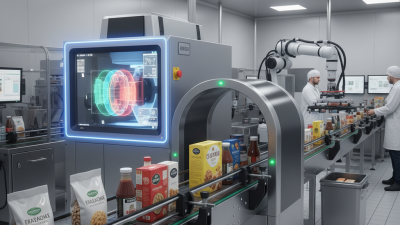
Modern food inspection machines utilize various methods, including X-ray inspection, metal detection, and vision systems, to identify defects and contaminants. The integration of artificial intelligence and machine learning into these systems further enhances their efficiency and accuracy, enabling quicker decision-making processes. A study from MarketsandMarkets highlights that the machine vision segment is expected to experience significant growth, driven by its ability to provide real-time feedback on product quality.

Tips for food manufacturers include investing in the latest inspection technologies to mitigate risks associated with contamination and spoilage. Regular calibration and maintenance of these machines are essential to ensure optimal performance. Additionally, training staff to operate these systems effectively can lead to improved inspection outcomes, minimizing potential product recalls and enhancing overall consumer trust.

Key Technologies Used in Food Inspection Equipment

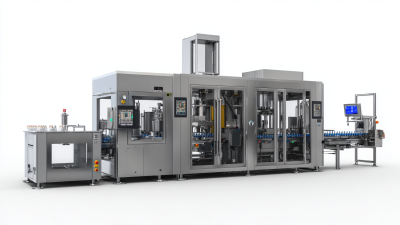
The food industry is increasingly leveraging advanced technologies to enhance the safety and quality of products. One of the key technologies utilized in food inspection equipment is X-ray inspection. This method allows for the detection of foreign objects, such as metal, glass, and plastic, embedded in food products. X-ray systems provide a non-destructive means of ensuring that food items are safe for consumption, helping to maintain high standards of quality control in manufacturing processes.

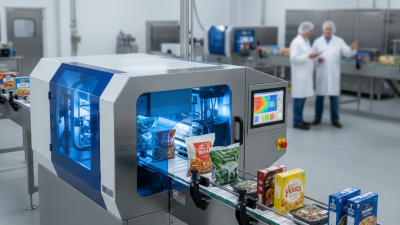
Another significant technology is metal detection, which plays a crucial role in identifying ferrous and non-ferrous metals within food products. By utilizing sensitive and sophisticated detection systems, manufacturers can significantly reduce the risk of contamination. Additionally, optical sorting technologies employ advanced imaging techniques to assess product quality, sorting out defective items based on color, size, and shape. These technologies collectively ensure that only safe and high-quality food products reach consumers, reflecting the industry's commitment to food safety and regulatory compliance.

Top Brands and Models of Food Inspection Machines in 2025

2025 Top Food Inspection Machines: Ensuring Quality and Safety in Food Industry

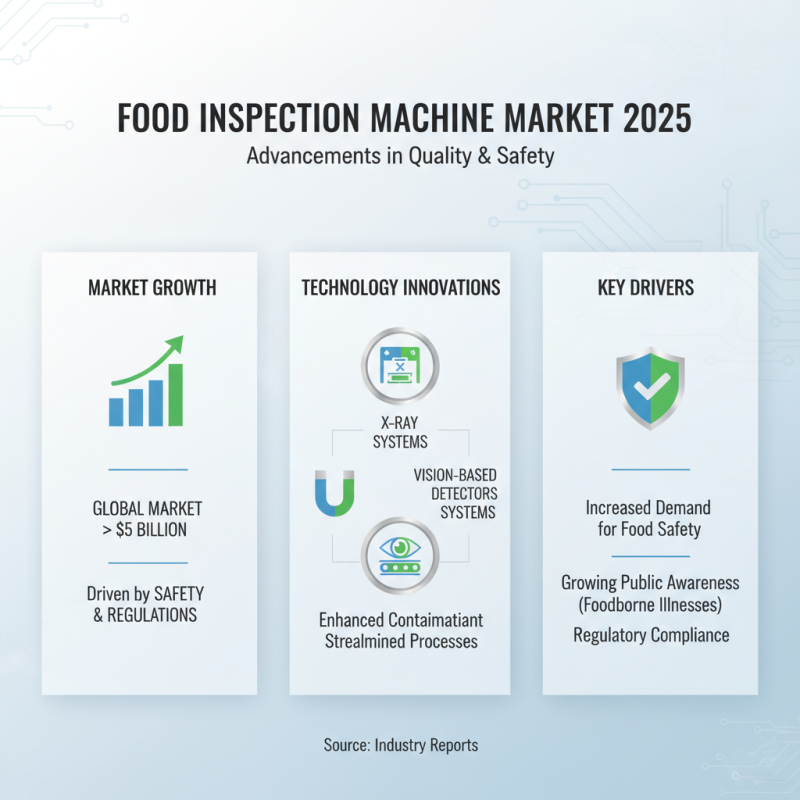
In 2025, the food inspection machine market is experiencing significant advancements with a range of high-performance models that prioritize quality and safety in the food industry. According to recent industry reports, the global food inspection market is projected to exceed $5 billion, driven by an increasing demand for food safety standards and regulatory compliance. The growing public awareness of foodborne illnesses has propelled manufacturers to invest in state-of-the-art technologies, including X-ray inspection systems, metal detectors, and vision-based systems. These innovations not only enhance the detection of contaminants but also streamline the inspection process, ensuring that products meet rigorous safety criteria.

Several top models introduced in 2025 reflect this trend towards improved inspection capabilities. Advanced X-ray systems are now capable of detecting a wider range of foreign materials, including organic and inorganic items, thus reducing the chances of recalls and enhancing consumer trust. Additionally, enhanced color and shape recognition technologies in vision inspection systems enable better sorting and grading of products, further ensuring quality control. A report indicates that these machines can increase efficiency by up to 30%, significantly minimizing inspection times without compromising accuracy. As food safety regulations continue to evolve, it is crucial for businesses in the food industry to adopt these advanced inspection technologies to maintain compliance and protect public health.

Regulatory Standards for Food Safety and Inspection Equipment

Regulatory standards for food safety and inspection equipment are crucial for maintaining the integrity of the food industry. These regulations are designed to ensure that food products are produced, processed, and distributed under conditions that guarantee their safety for consumption. Inspections must adhere to strict guidelines, as outlined by governing bodies, to mitigate risks associated with contamination or foodborne illnesses. Compliance with these standards not only protects consumers but also enhances the company’s reputation and marketability.

Tips: When selecting food inspection machines, always look for equipment that meets local and international regulatory standards. Regularly training staff on compliance requirements can also help maintain adherence to these regulations. It's essential to stay updated on any changes in regulatory guidelines as they can impact both operational practices and equipment requirements.

Additionally, integrating advanced technologies like automated inspection systems can streamline compliance efforts. These technologies often provide real-time data and analytics, allowing businesses to stay ahead of potential issues. Investing in reliable inspection equipment can significantly reduce the risk of costly recalls and ensure that products meet the highest safety standards.

2025 Top Food Inspection Machines Performance Overview

Future Trends in Food Inspection Technology and Practices

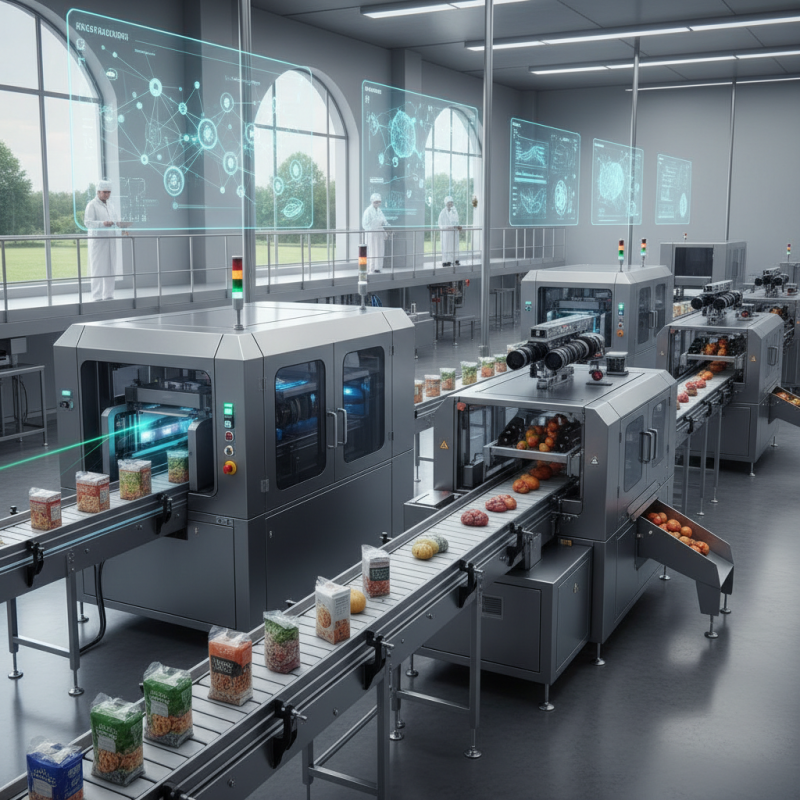
The food inspection industry is set to undergo significant transformations by 2025, driven by advancements in technology and increased awareness of food safety concerns. One of the key trends is the integration of artificial intelligence and machine learning into inspection processes. These technologies enable machines to analyze data in real-time, identifying potential hazards with greater accuracy. As algorithms improve, they not only speed up inspections but also enhance the predictive capabilities for potential contamination events, thus ensuring a higher standard of food quality and safety.

Another emerging trend is the use of automation and robotics in food inspection systems. Automated machines can swiftly carry out repetitive tasks, such as scanning and sorting products, while reducing human error. This shift towards automation not only enhances efficiency but also allows human inspectors to focus on more complex evaluation tasks. Additionally, innovations in imaging technologies, such as X-ray and hyperspectral imaging, are enabling inspectors to detect foreign bodies and assess the quality of food at a microscopic level. As these technologies evolve, they will play a critical role in maintaining high safety standards across the food supply chain.

Any Questions? We Are Here for You

Contact Us

Contact Us

Request information

Ask us a question
Service Support

Service Support

Available 24 hours a day, 7 days a week.

Get in Touch
Find a representative

Find a representative

Contact your local representative

View Locations