Food Safety Insights

In Eagle’s Advanced Insights Blog, experts share their know-how by keeping you up-to-date with the latest trends to ensure your inspection equipment keeps your products safe. Eagle is an industry leader when it comes to performance and innovation, and we’ll share the news that’s important to you to enhance your quality assurance program.
Suggest topic you would like to see at:

sale@generalmachinery.org

Top Fruit Vegetable Processing Machinery for Global Buyers?

As the global demand for nutritious food continues to rise, the significance of fruit vegetable processing machinery cannot be overstated. These machines play a crucial role in transforming fresh produce into products that meet the expectations of health-conscious consumers. They enhance preservation and improve shelf life. Efficiency and quality are imperative in this industry. The right machinery can make a significant difference in processing speed and product output quality.

However, selecting the ideal equipment poses challenges for buyers. The market is flooded with options, and not all machines live up to their promises. Understanding the specific needs of operations is essential. Buyers must focus on features like processing capacity, energy efficiency, and ease of maintenance. Researching suppliers' reputations and customer reviews provides valuable insight. Those seeking to invest must remain vigilant about balancing cost and quality.

Ultimately, the choice of fruit vegetable processing machinery should align with the long-term goals of the business. Companies must consider how these machines can elevate their operations. An informed decision can lead to better financial outcomes and more satisfied customers. Balancing the technological advancements with practical needs is a journey worth taking.

Top Fruit Vegetable Processing Machinery for Global Buyers?

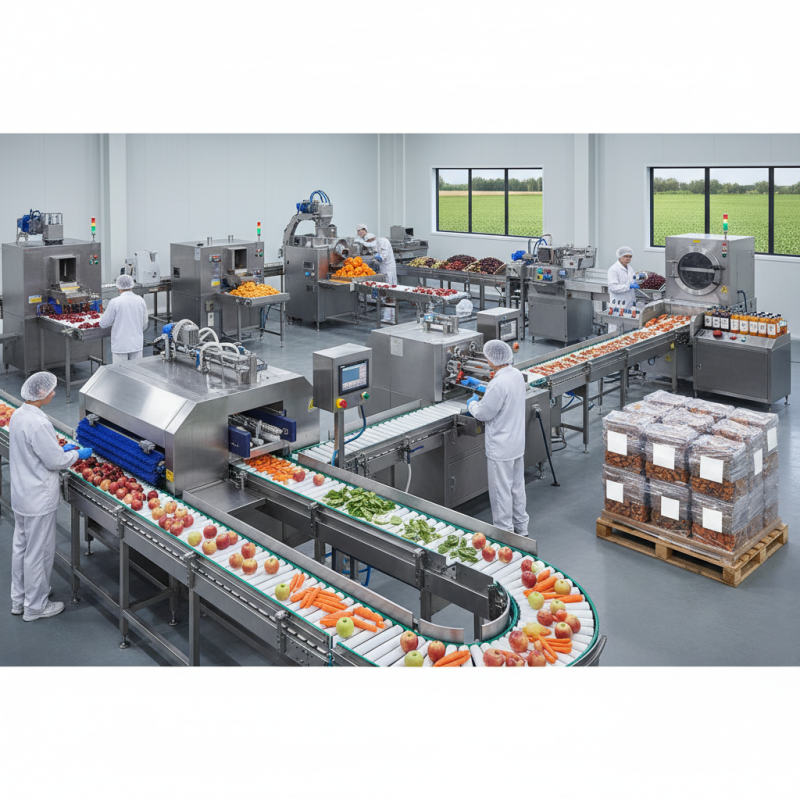
Types of Fruit and Vegetable Processing Machinery Available Globally

The global fruit and vegetable processing machinery market is evolving rapidly. Various types of machinery cater to different needs, transforming raw produce into ready-to-eat products. Data from industry reports suggest that the market for this machinery is expected to reach USD 32 billion by 2028, reflecting the demand for efficient processing solutions.

Key types of machinery include washing and sorting equipment, cutting machines, and packaging systems. Washing and sorting machines ensure produce cleanliness and quality. Cutting machines, such as slicers and dicers, provide uniform sizes for consistent presentation. In 2022, the segment for slicing machines alone accounted for approximately 25% of market revenue. Packaging machinery, crucial for extending shelf life, showcases innovations like vacuum sealing and modified atmosphere packaging.

Despite advancements, challenges persist in the sector. Not all machinery meets the specific needs of every region. Additionally, some machines may require extensive training. This can lead to inefficiencies during initial operation phases. Innovations are essential, but they must address diverse global processing conditions. Data indicates that outdated machinery still accounts for a significant portion of operations, which may hinder productivity.

Key Features to Consider When Selecting Processing Equipment

Selecting the right fruit and vegetable processing machinery is crucial for efficiency. Several key features should guide your decision-making. First, consider the machine's capacity. A high-capacity machine is essential if you're processing large volumes. It saves time and increases productivity but may require a larger space.

Next, look at the machine's versatility. It's beneficial to have equipment that can handle different fruits and vegetables. This flexibility can help adapt to market demands or product changes. Ease of cleaning and maintenance is also vital. Regular cleaning ensures food safety, while easy maintenance reduces downtime.

Don't overlook the technology used in the machinery. Advanced automation features can significantly improve efficiency. However, simple machines may still work well for smaller operations. Assess your needs carefully. A more complex machine might not be necessary for lower production levels. Balancing these aspects can improve your business operations. Always seek advice from industry experts or review user experiences as you make your choice.

Top Fruit Vegetable Processing Machinery for Global Buyers

Machine Type Key Features Capacity (kg/hour) Power (kW) Cost (USD)
Fruit Washer High efficiency, compact design, easy to operate 1000 2.5 3000
Vegetable Cutter Multiple cutting options, adjustable thickness 800 3.0 2500
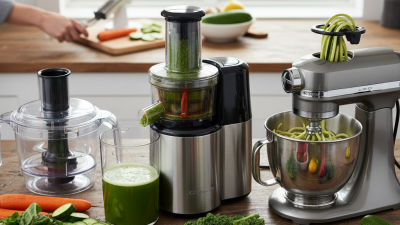
Juicing Machine High juice yield, low noise operation 500 5.0 4500
Peeling Machine Effective peeling, suitable for various fruits 700 4.0 3500
Packaging Machine Automation capability, various packaging options 600 6.0 6000

Leading Manufacturers in the Fruit and Vegetable Processing Industry

The fruit and vegetable processing industry has seen significant growth in recent years. According to industry reports, the global market is expected to reach USD 164 billion by 2025. This surge presents opportunities for manufacturers to innovate machinery that enhances efficiency and product quality.

Leading manufacturers are focusing on technology that minimizes waste. For instance, advanced sorting machines improve selection accuracy, ensuring only the best produce is processed. Moreover, the adoption of automated systems is rising. This shift aims to reduce labor costs while improving speed. Automation can also lead to inconsistencies, which warrants regular inspections and adjustments.

Market demands are evolving. Consumers favor fresh, minimally processed goods. Companies must adapt their machinery to meet these expectations. The challenge lies in balancing automation with quality. A refined processing line can produce better flavors but may sacrifice some freshness. Keeping this in mind is crucial for manufacturers aiming for long-term success.

Top Fruit and Vegetable Processing Machinery Demand in 2023

Innovations and Trends in Fruit and Vegetable Processing Technology

Top Fruit Vegetable Processing Machinery for Global Buyers?

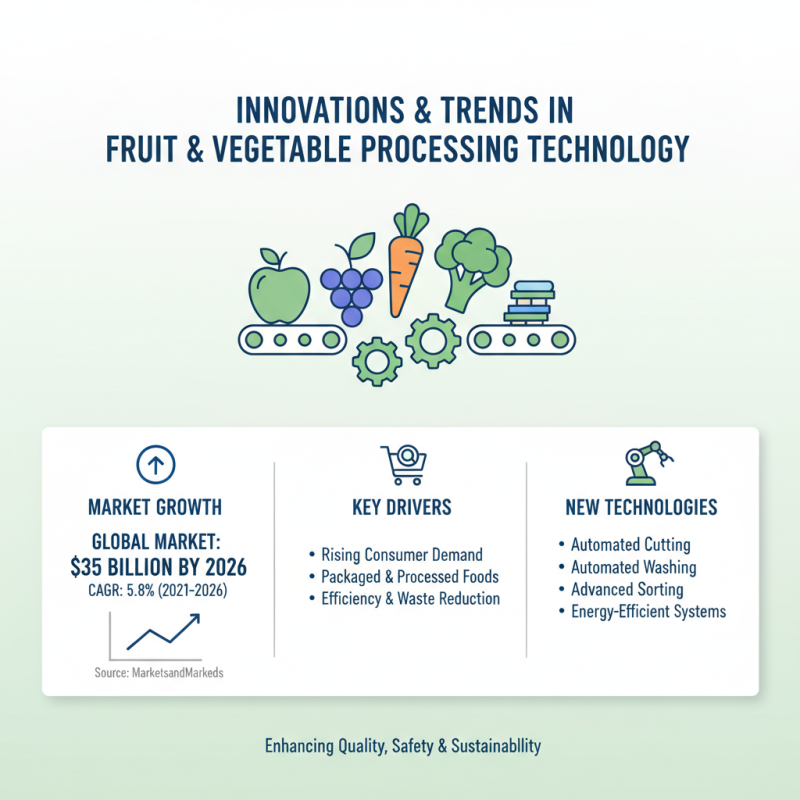
In recent years, the fruit and vegetable processing sector has experienced significant innovations. According to a report by MarketsandMarkets, the global market for fruit and vegetable processing machinery is projected to reach $35 billion by 2026, growing at a CAGR of 5.8%. This growth reflects the rising consumer demand for packaged and processed foods. New technologies, such as automated cutting and washing, enhance efficiency and reduce waste.

Sustainability is a key trend driving innovation. Many companies focus on methods to minimize energy consumption and water usage. For example, machines now use less water during washing processes, contributing to environmental conservation. Additionally, smart sensors are now integrated into equipment, allowing for real-time monitoring of quality and safety. Such advancements help reduce spoilage and enhance food safety measures.

However, challenges remain. The high cost of advanced machinery can deter small-scale processors. Many may lack the resources to invest in cutting-edge technology. Moreover, continuous training for workers is essential to maximize these technological benefits. As the industry evolves, balancing innovation with accessibility will be crucial for long-term success.

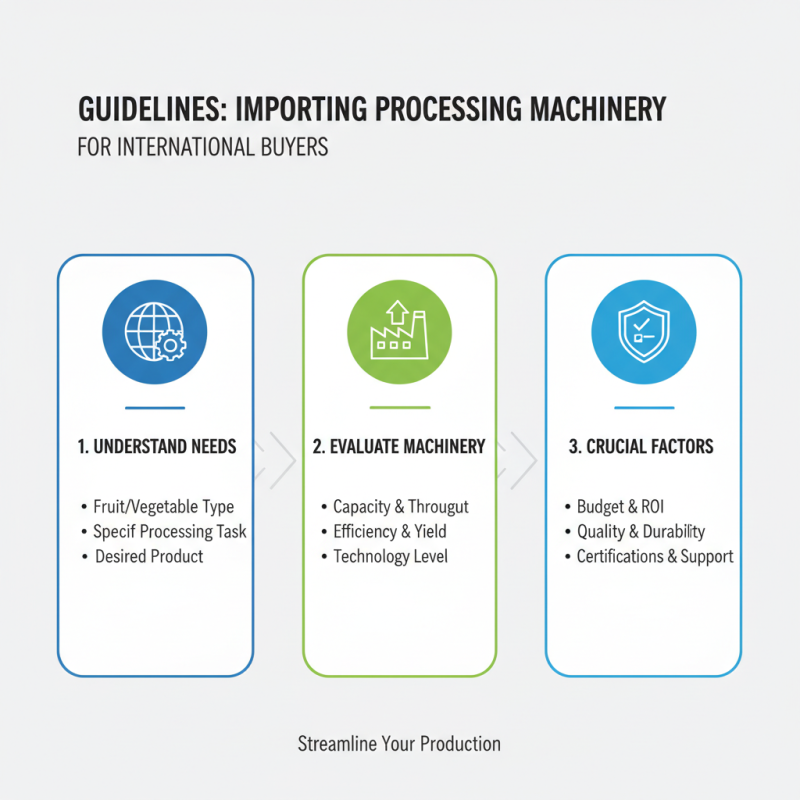
Guidelines for Importing Processing Machinery for International Buyers

Top Fruit Vegetable Processing Machinery for Global Buyers?

When importing machinery for fruit and vegetable processing, it’s essential to consider several factors. Buyers should start by understanding their specific needs. Different processing tasks require different machinery. Evaluating the capacity and efficiency of the machinery is crucial. This can greatly impact production outcomes.

Tips: Research suppliers thoroughly. Look for those with a solid track record in the industry. Seek recommendations from previous buyers. Understanding the full scope of machinery functionality can prevent future operational hiccups.

Ensuring compliance with international standards is vital. Each country has different regulations regarding machinery safety and food processing. Ignoring these can lead to delays or fines. Don't hesitate to ask suppliers for certifications and warranties. It is a sign of dependable equipment.

Tips: Always compare multiple quotes. Pricing can vary significantly across suppliers. Examine warranty options and after-sales services carefully. This can save costs in case of repairs. It’s also wise to consider potential maintenance requirements. This often gets overlooked but is very important for long-term operations.

Any Questions? We Are Here for You

Contact Us

Contact Us

Request information

Ask us a question
Service Support

Service Support

Available 24 hours a day, 7 days a week.

Get in Touch
Find a representative

Find a representative

Contact your local representative

View Locations