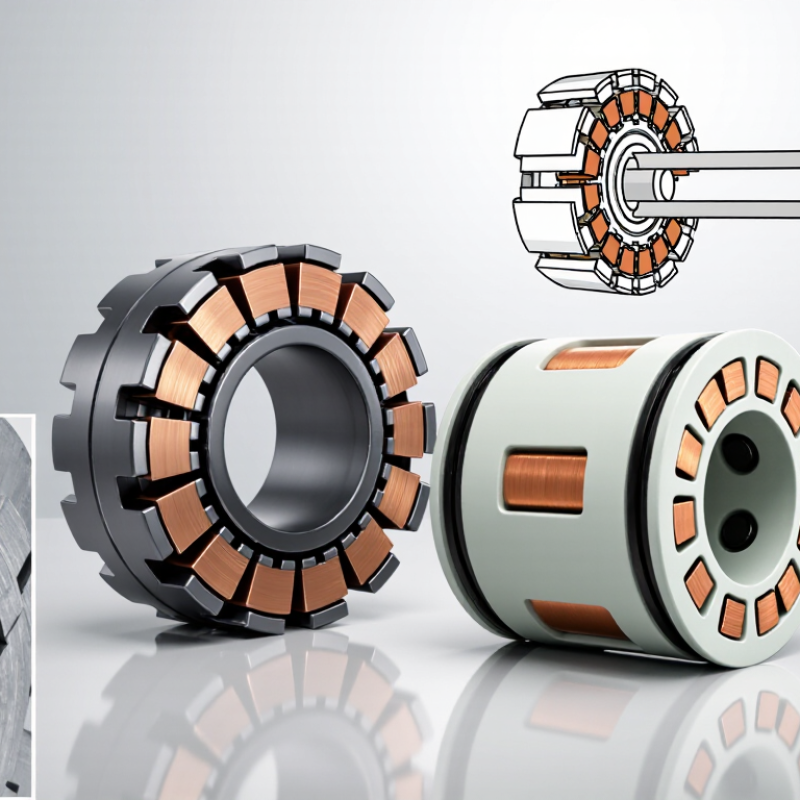
What Are the Top Types of Fuel Pump Motor Commutators
How to Compare Commutator Types for Fuel Pump Use
For fuel-pump motors, compare commutators by construction, contact stability, and resistance to heat and vibration. Copper-segment designs are common in brushed motors. Their segment shape, insulation, and brush-contact surface affect current transfer and wear. Molded commutators can hold segments firmly in compact assemblies, but resin temperature limits and fuel compatibility need checking. Small details matter. Inspect segment runout, bar-to-bar consistency, and the joint between each segment and its riser; a rough edge can accelerate brush wear.
Test the actual duty cycle, not just a new part on a bench. Measure starting current, voltage drop, temperature rise, and wear after repeated starts and vibration exposure. Check performance in the intended fuel and at the pump’s operating load.
The IEA’s Global EV Outlook 2024 reports nearly 14 million electric-car sales in 2023, about 18% of global car sales.
That market shift does not remove the need to assess commutators in existing combustion and hybrid vehicles. Not always. A lower initial resistance reading alone cannot predict service life; brush grade, spring force, surface finish, and test conditions all matter. Record these conditions when comparing samples. It is easy to miss one.
The awkward part is that two visually similar commutators may behave differently after heat soak, so durability results deserve more weight than appearance.

.svg)