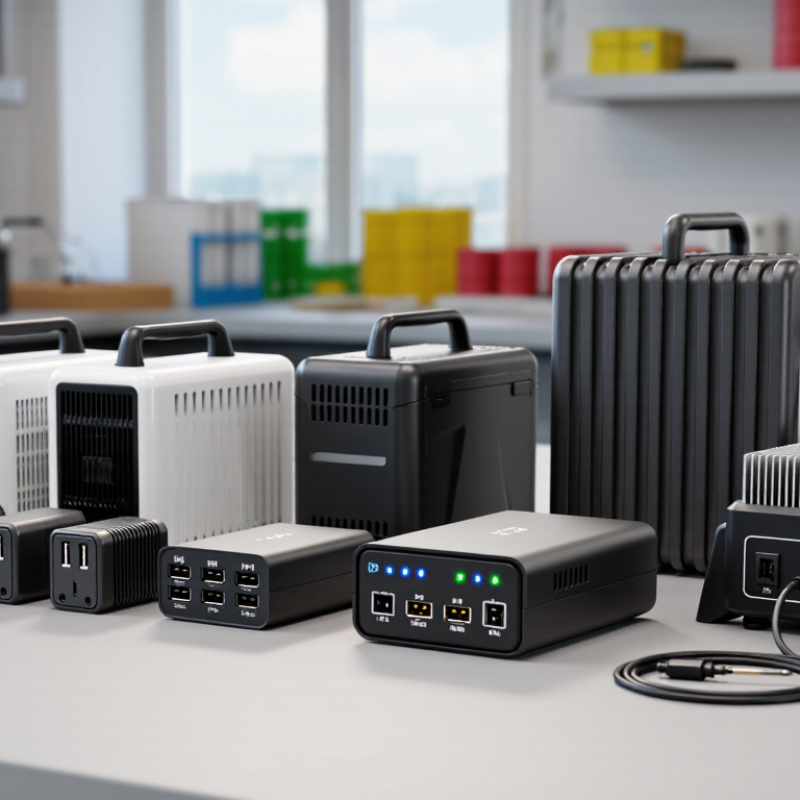
| 1 | Compact single-cell USB charger for portable electronics | 1-cell lithium-ion or lithium-polymer; 3.6–3.7 V nominal | Typically 4.2 V maximum charge voltage; current depends on cell specifications | Usually powered by a separate USB supply; USB-A or USB-C connection | Check applicable electrical safety and EMC requirements for the complete product and supplied power adapter. USB-C products should follow relevant USB-C power and connector requirements. |
| 2 | Two-cell charger for small tools and portable equipment | 2-cell lithium-ion; 7.2–7.4 V nominal | Typically 8.4 V maximum for a conventional 2-cell pack; confirm pack configuration and protection requirements | Commonly 100–240 V AC, 50/60 Hz; plug depends on destination | For the EU, assess applicable CE legislation, including safety and EMC requirements. The UK has separate conformity-marking rules; confirm current requirements for the product category. |
| 3 | Four-cell charger for cordless power tools | 4-cell lithium-ion; 14.4–14.8 V nominal | Typically 16.8 V maximum for a conventional 4-cell series pack | Often 100–240 V AC, 50/60 Hz; Type A/B, C, G, or other regional plug as applicable | For North America, review applicable electrical safety standards and certification needs; FCC requirements may apply to products with electronic circuitry. Confirm the exact standard with the testing body. |
| 4 | Five-cell charger for higher-voltage cordless tools | 5-cell lithium-ion; 18–18.5 V nominal | Typically 21.0 V maximum for a conventional 5-cell series pack | 100–240 V AC, 50/60 Hz is common; plug type must match the sales market | For Japan, check applicable PSE requirements for covered electrical products and components. Applicability depends on product classification and construction. |
| 5 | Six-cell charger for larger portable equipment | 6-cell lithium-ion; 21.6–22.2 V nominal | Typically 25.2 V maximum for a conventional 6-cell series pack | Universal-input models commonly accept 100–240 V AC, 50/60 Hz; use a market-appropriate cord or plug | In Australia and New Zealand, verify applicable electrical safety and EMC obligations and whether RCM registration or marking is required for the product and supplier. |
| 6 | Eight-cell charger for mobility or industrial equipment | 8-cell lithium-ion; 28.8–29.6 V nominal | Typically 33.6 V maximum for a conventional 8-cell series pack | Commonly 100–240 V AC, 50/60 Hz; plug and cord configuration vary by market | In China, check applicable CCC catalogue requirements and current GB standards for the specific charger category. Not every charger is necessarily within the same certification scope. |
| 7 | LiFePO₄ charger for 12 V-class systems | 4-cell lithium iron phosphate (LiFePO₄); about 12.8 V nominal | Typically 14.4–14.6 V maximum, according to the battery manufacturer’s charging specification | 100–240 V AC, 50/60 Hz models are available; use the correct regional plug | Confirm the charger is designed for LiFePO₄ rather than assuming a lithium-ion profile is interchangeable. Check local safety, EMC, and efficiency rules for the supplied AC adapter. |
| 8 | LiFePO₄ charger for 24 V-class systems | 8-cell LiFePO₄; about 25.6 V nominal | Typically 28.8–29.2 V maximum; follow the pack maker’s limits | Often 100–240 V AC, 50/60 Hz; regional plug or detachable mains cord required | For India, identify the applicable BIS requirements for the specific product and any regulated power-supply component. Requirements depend on current product listings and classification. |
| 9 | Higher-capacity charger for electric bicycles or light electric vehicles | Commonly lithium-ion packs of 36 V or 48 V nominal | Typical examples are 42 V for a 36 V pack and 54.6 V for a 48 V, 13-series pack; verify the actual cell count and pack limits | Many models use 100–240 V AC, 50/60 Hz; plug and cord must suit the destination | Assess the charger and vehicle-system requirements separately. Battery transport rules such as UN 38.3 apply to lithium batteries in scope, not as a charger certification. |
| 10 | Programmable multi-chemistry charger for service and industrial use | Selectable lithium-ion or LiFePO₄ packs; supported cell count must be stated | Adjustable output; voltage, current, and charge profile must match the selected battery and its protection system | Typically 100–240 V AC, 50/60 Hz on global models; region-specific plug or cord options | Check the applicable charger safety standard, EMC limits, marking, and importer obligations in each destination. CE, UKCA, UL, PSE, RCM, or other marks are not interchangeable and may not apply to every model. |

.svg)