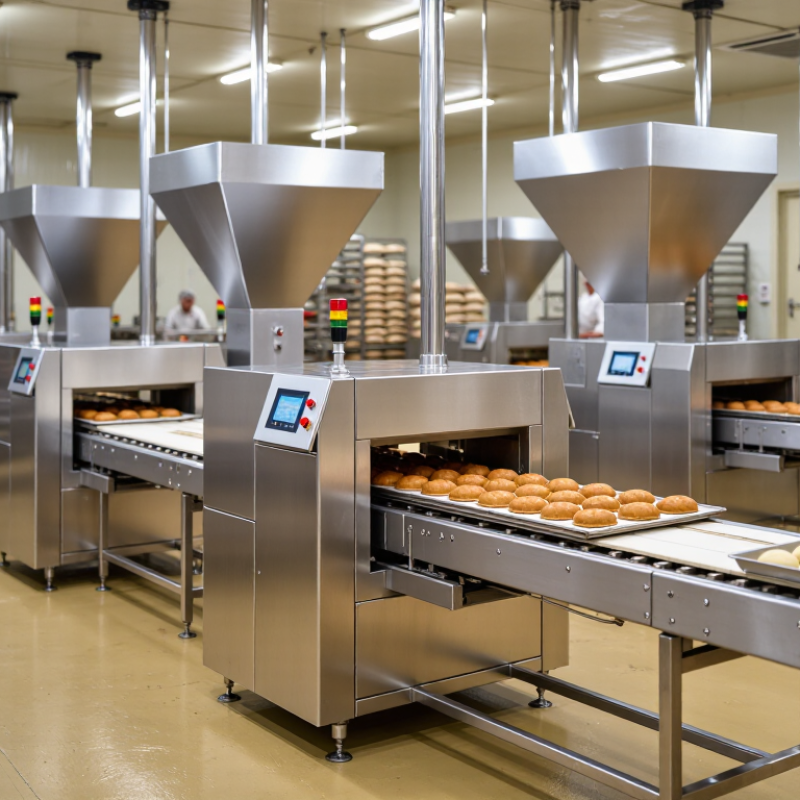
Global buyers comparing a Pastry Maker manufacturer need more than an attractive catalogue. They need equipment that produces even shells, clean edges, and repeatable batches under real production pressure. The Grand View Research report on bakery processing equipment tracks a sector shaped by automation, productivity, and consistent output. Its market context is useful, but it cannot replace factory audits or equipment trials.
A buyer’s checklist should cover output per hour, changeover time, spare-parts access, cleaning requirements, and operator training. Ask manufacturers to demonstrate the machine using your own dough or filling. A glossy pastry sample proves little if the next tray varies. Julia Child, a respected culinary educator, offered a useful reminder: “You don’t have to cook fancy or complicated masterpieces—just good food from fresh ingredients.” For equipment buyers, the parallel is straightforward: reliable results matter more than impressive claims.
Trade data from International Trade Centre Trade Map can help buyers understand supplier and market flows, while direct checks confirm service coverage and delivery terms. Compare warranty details, electrical specifications, and the availability of local technicians before signing. Request references from facilities with similar products and production volumes. Then test the machine across a full shift, not just a short demonstration.
No shortlist is perfect. Some manufacturers publish limited performance data, and brochure figures may not reflect your recipe. That deserves scrutiny. This guide compares leading Pastry Maker manufacturers through practical criteria, helping global buyers ask sharper questions before investing.
Pastry-making equipment is best specified as a connected process: mixing, sheeting, forming, and baking. A mixer must develop dough evenly without overheating it; buyers should compare batch size, speed control, and discharge height. Sheeters need adjustable roller gaps and repeatable thickness, especially for laminated dough. A small thickness error can change layer definition and baking time.
It matters.
The USDA Foreign Agricultural Service’s Production, Supply and Distribution database estimated 2024/25 global wheat production at about 797 million tonnes. That scale does not mean flour behaves identically across suppliers. Protein, absorption, and temperature can shift dough handling, so equipment trials should use the buyer’s actual recipes and ingredients.
Forming machines should be checked for weight consistency, clean release, and quick changeovers between shapes. Baking systems need stable heat distribution, suitable airflow, and clear temperature controls; a golden surface can hide an underbaked center. Ask manufacturers for test results across a realistic production run, not just a short demonstration.
Record dough temperature, sheet thickness, piece weight, bake loss, and reject rate. One detail is often missed: cleaning access. Tight corners around rollers and forming heads can turn routine sanitation into lost production time.

.svg)