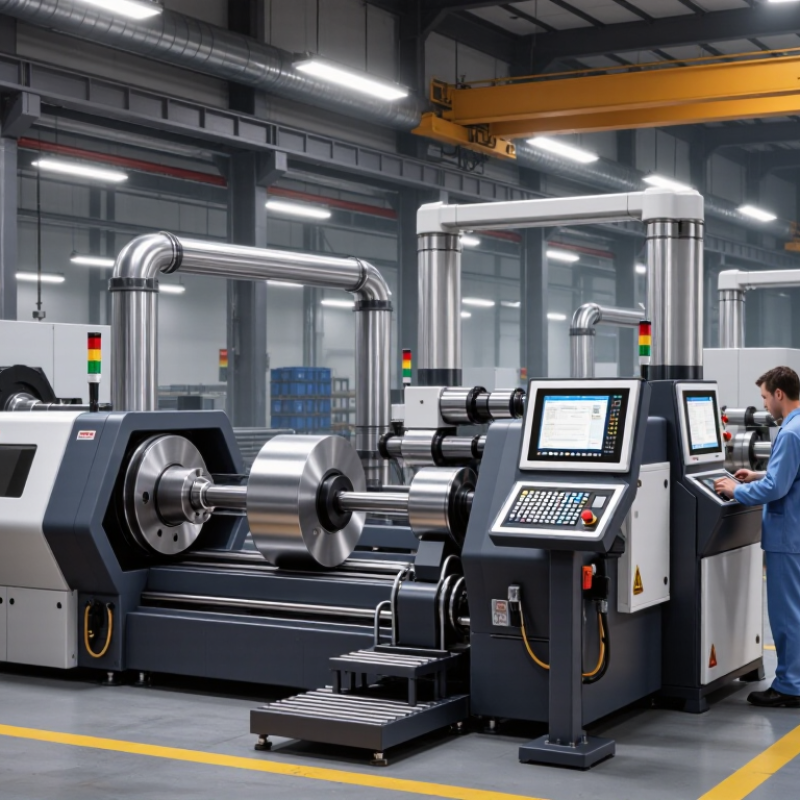
International buyers assess roll thread machine manufacturers beyond catalog prices. A suitable machine must match thread diameter, material strength, production volume, and regional power standards. Ask for verified samples before placing a large order. Test thread accuracy, surface finish, cycle stability, and tooling wear. Real production evidence matters more than polished brochures.
Technical documentation should state rolling force, spindle speed, die specifications, tolerance range, and recommended lubrication. Confirm whether operators can adjust pressure without unsafe improvisation. Remote commissioning, training videos, spare-part lists, and response times reveal supplier reliability. Request references from users with similar metals and batch sizes. Their maintenance records may expose weaknesses that sales conversations hide.
International purchasing also involves packaging, insurance, installation support, customs paperwork, and service language. Confirm the machine’s footprint and lifting points before shipment. A small drawing mistake can delay a factory installation. Total cost includes dies, freight, calibration, energy use, and downtime. Payment terms should be clear and documented. Do not accept vague promises about delivery or precision. One practical concern is often overlooked: local technicians may need simple access to sensors and controls. I would still leave room for doubt. Factory conditions vary, and a successful test cannot guarantee every result. A staged order, with measurable acceptance criteria, reduces that risk.

.svg)