2026 Top Solvent Free Lamination Machine Types?
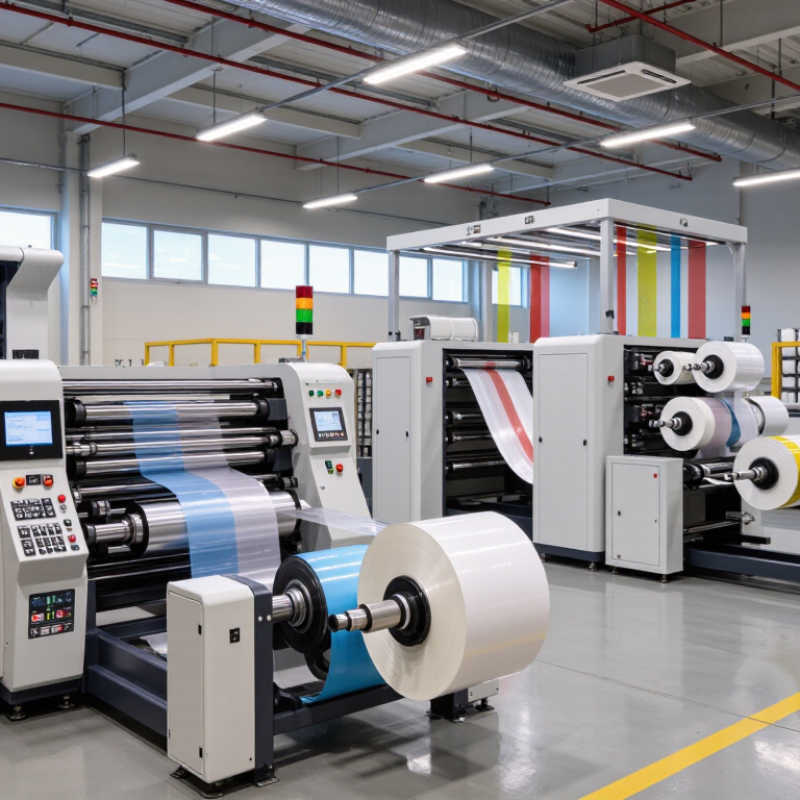
A 2K PUR laminator combines two reactive polyurethane components shortly before coating. A metering unit controls their ratio, while a static mixer creates a uniform adhesive. The mixed adhesive passes through a heated coating head, commonly operating between 40 and 80°C. Heat lowers viscosity and supports a stable, thin coating. It does not remove solvent, because the process is solvent free.
The web then enters a controlled laminating nip. Pressure joins the coated film with paper, foil, or another polymer layer. At 100–500 m/min, tension control becomes critical. Small web movement can create wrinkles, telescoping, or uneven bonding. Operators monitor coating weight, nip pressure, roller temperature, and component flow continuously. Faster production also leaves less time to correct defects.
A practical lesson from line trials is simple: speed cannot replace accurate dosing. A minor ratio error may cause weak bonds, surface marks, or incomplete curing. Ambient moisture also affects the final reaction. Not every line should run at 500 m/min. That target depends on film structure, adhesive chemistry, machine design, and curing time. Some settings look efficient but become unstable after several hours. Careful operators record those changes, question the data, and adjust temperature gradually rather than forcing the highest speed.

.svg)